

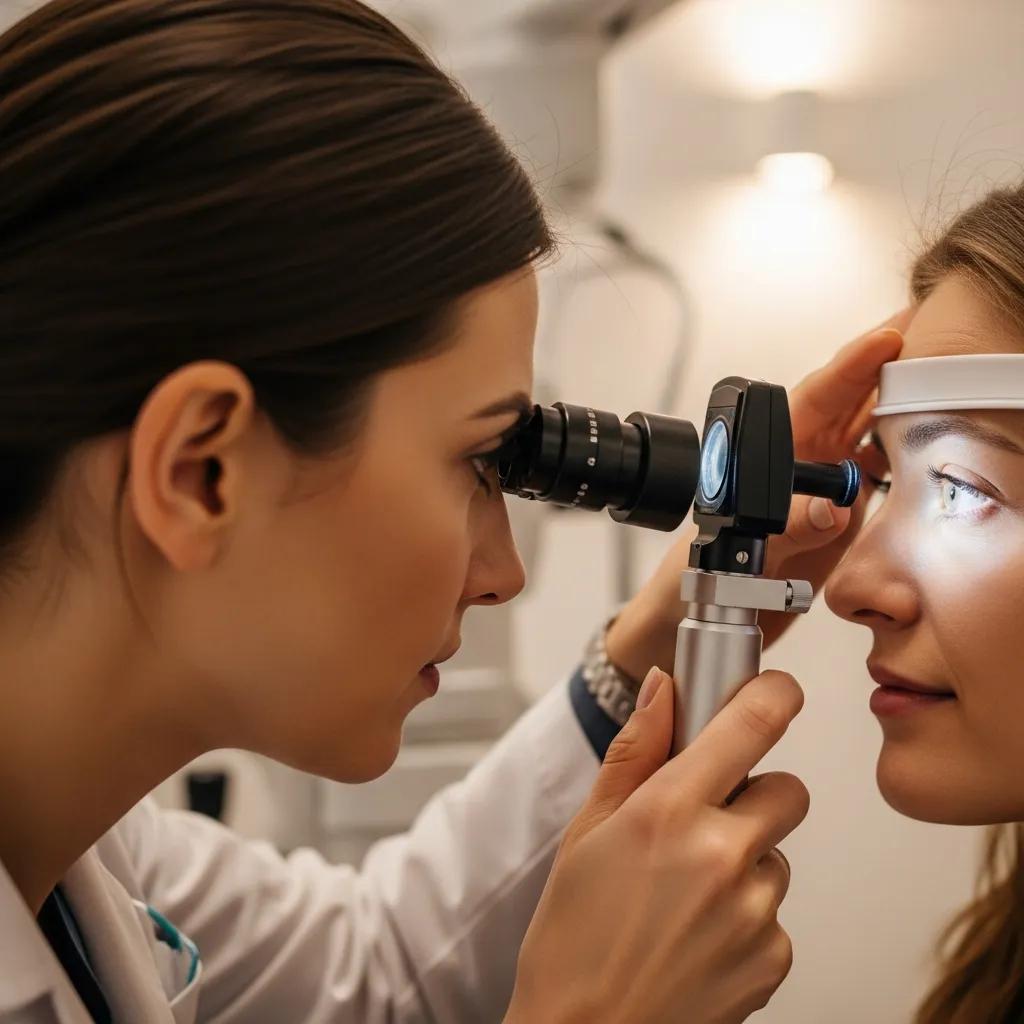
An eye doctor performs a clinical evaluation that goes beyond routine vision screening. Specialized testing can identify changes in the structure and function of different parts of the visual system. These assessments detect conditions such as lens clouding, optic nerve disease, retinal vascular disease, and macular degeneration. Here is more information about the services eye doctors provide beyond routine checkups:
Diagnosing Eye Diseases and Disorders
A comprehensive eye evaluation identifies indicators of disease before symptoms are visually noticeable or uncomfortable. Clinical testing and imaging assess the retina, optic nerve, and lens. Findings may indicate conditions such as glaucoma and macular degeneration at earlier stages.
Some eye diseases do not produce clear symptoms, and examination findings reveal early structural changes. Imaging and clinical assessment work together to evaluate overall eye health. Retinal imaging shows vascular changes, and optic nerve assessment shows thinning associated with disease processes. These findings help separate conditions that can look similar early on and support decisions about follow-up testing or monitoring. Exam results are reviewed across several visits to track changes in the retina, lens, and optic nerve over time.
Managing Cataracts and Glaucoma
A cataract occurs when the eye’s natural lens becomes cloudy, reducing the passage of light and affecting vision. As clouding progresses, vision becomes more blurred, and tasks such as reading or driving become more difficult. During eye exams, the lens is examined, and a doctor tracks changes in cloudiness over time. Vision changes often develop gradually and do not always match the degree of lens clouding, so monitoring over time helps guide decisions about further care. Glaucoma is a disease that affects the optic nerve and is associated with progressive vision loss when not identified and managed early. Eye exams include an assessment of the optic nerve and measurement of intraocular pressure to look for early signs of disease.
Treating Diabetic Eye Disease
An eye doctor will evaluate the retina during comprehensive eye exams, with particular attention to structural changes associated with diabetes-related eye disease. The examination focuses on retinal tissue and blood vessels, where diabetes-related damage develops over time. Documentation from routine and diagnostic visits creates a record of retinal status across multiple exams; these findings help identify disease activity even when vision remains unchanged.
Diabetes affects retinal blood vessels, and these changes often develop gradually without early symptoms. The retina should be examined at each visit, and findings should be compared across appointments to identify changes over time. Patients with diabetes get regular eye examinations because retinal damage may progress without noticeable vision loss in the early stages.
Monitoring Macular Degeneration
Eye doctors evaluate macular health during comprehensive eye examinations to identify signs associated with macular degeneration. The macula, the central region of the retina, supports detailed vision such as reading and recognizing faces. Changes in this area affect central vision over time, so routine examinations support earlier identification of abnormalities. Macular degeneration develops as a progressive condition affecting retinal tissue. During examination, the macula is assessed for pigment changes and structural disruption. These findings are recorded so they can be compared with earlier exams and to help spot small changes that are not obvious during daily life.
Visit an Eye Doctor Today
Preventive and diagnostic care work together to identify eye changes before permanent damage develops. Doctors use clinical exams and imaging to track changes over time and determine when follow-up or treatment is appropriate based on structural findings. Routine comprehensive eye exams support earlier identification of eye conditions and provide ongoing monitoring of long-term eye health. Schedule an appointment with an eye doctor today to review your vision and overall eye health.