

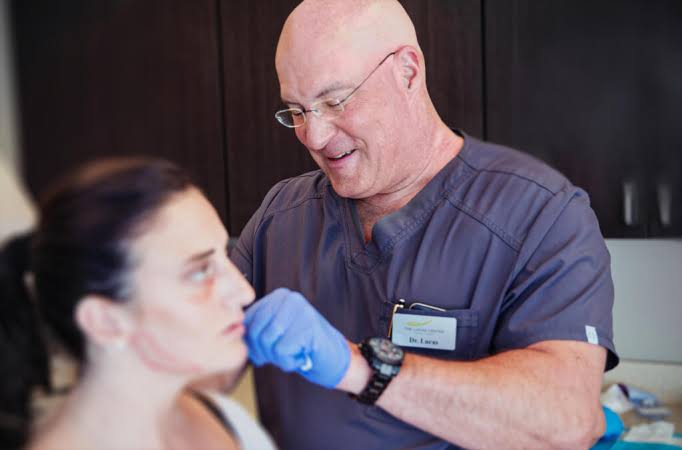
How To Find the Right Plastic Surgeon for Your Unique Needs
Plastic surgeons offer surgical and nonsurgical treatment options, from facelifts and breast augmentations to injectables and facials, to complement your natural features. Because everyone has different goals, finding a provider whose training and services match your needs is a key first step in getting any aesthetic procedure. To help you find an appropriate provider for your cosmetic needs, here are some key steps to follow: Identify What You Want Before you research providers, take time to define your aesthetic goals. Determine which area of your face or body you want to address and what result you hope to see. Some
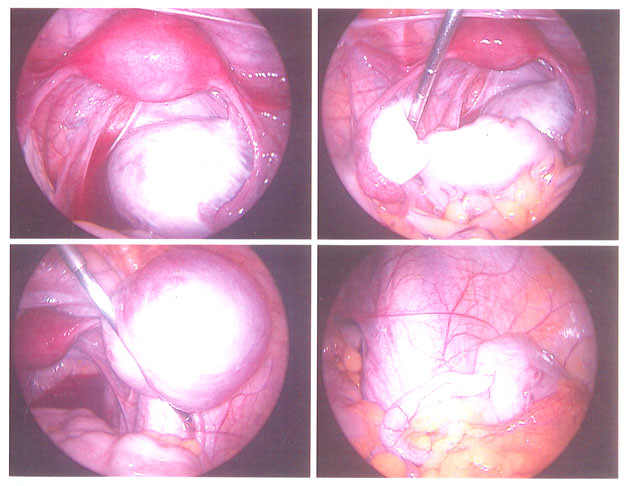
What To Know About Endometriosis
Endometriosis is a chronic condition in which tissue similar to the uterine lining grows outside the uterus. This tissue may develop on the ovaries, fallopian tubes, or other pelvic structures, and it responds to hormonal changes just as the uterine lining does. Because this tissue has no path out of the body, it sometimes causes inflammation or scar tissue over time. The condition affects people of reproductive age, and it varies widely in how it presents and progresses. Here are several things to know about endometriosis: Recognizing Common Symptoms Symptoms differ significantly from person to person, and their severity does
How Urgent Care Can Provide Immediate Assistance for Illnesses
Urgent care centers treat sudden illnesses and minor injuries that need same-day attention but don’t require an emergency room visit. Patients typically receive diagnosis, testing, and treatment within one visit, and some centers accept walk-ins without an appointment. This makes urgent care a practical option for conditions like infections, fevers, and minor injuries. Here is more information on what professional care covers and what patients can expect during a visit: What Is Urgent Care? Urgent care centers are walk-in medical facilities. They are designed to treat conditions that need prompt attention but are not life-threatening, and they operate during extended

Rehabilitation Techniques for Common Sports Injuries
A sports injury can affect an individual’s mobility, physical performance, and ability to participate in regular activities. Rehabilitation plays a key role in recovery by helping individuals restore strength and regain normal movement. Here are some rehabilitation techniques commonly used to manage sports injuries: Managing Pain and Inflammation The first phase of rehabilitation focuses on calming the injured area. Swelling and tenderness often restrict movement during the first days or weeks after a sports injury. When discomfort stays controlled, you can begin gentle exercise. Here are some of the methods providers use during this phase: Restoring Flexibility and Mobility Range

Coping Mechanisms for Chronic Wrist Pain
Chronic wrist pain lasts for weeks or months, and it affects tasks like typing, lifting, and gripping. Typical causes include carpal tunnel syndrome, tendinitis, and arthritis, and old injuries sometimes play a role too. Since each cause responds differently to treatment, a clear diagnosis helps you choose the right coping methods. Here are some practical starting points: Take Anti-inflammatory Medications Nonsteroidal anti-inflammatory drugs (NSAIDs) are used to reduce swelling that puts pressure on nerves and tendons. Ibuprofen and naproxen are available over the counter, and many people use them for short-term relief. Follow the dosage on the label or your
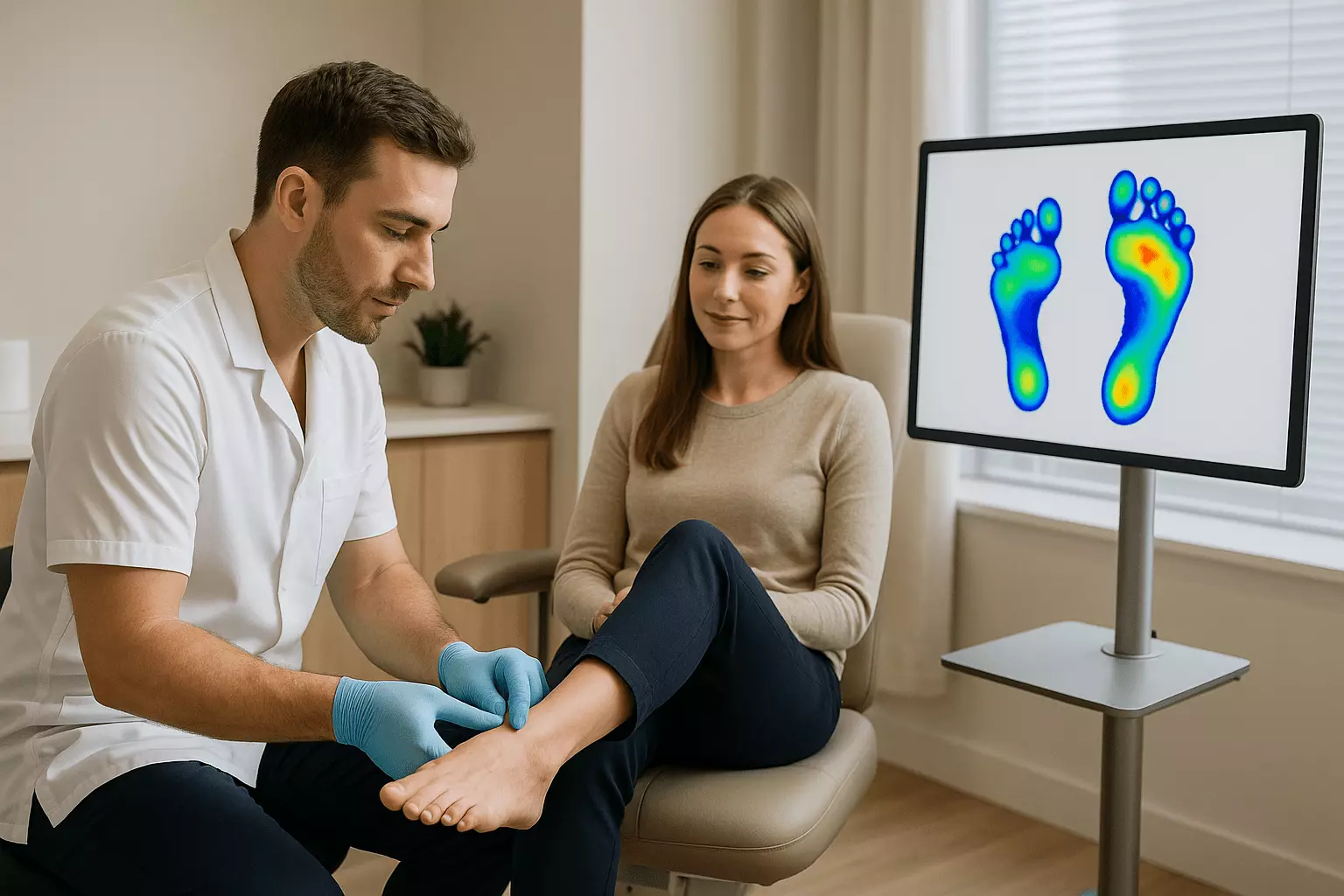
4 Signs You Should Seek Podiatry Services
A podiatrist diagnoses and treats conditions of the feet, ankles, and lower legs, and they typically complete four years of podiatric medical school and a hospital residency. They treat injuries, infections, and nerve problems, and they also manage foot issues linked to diabetes. Here are four signs that may help you decide when to book a visit to a podiatry clinic: 1. Persistent Foot Pain Occasional soreness after a long walk is normal. Most minor aches fade within a few days, but some pain stays for weeks. If your pain returns every morning or worsens with activity, a doctor may
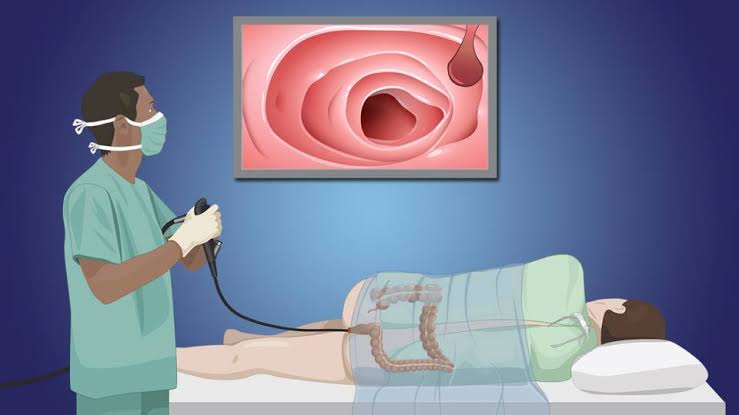
Tips for Understanding the Colonoscopy Process
When your doctor recommends a colonoscopy, it helps to know what the procedure involves. A gastroenterologist uses a thin, flexible tube with a small camera to examine your colon and rectum. The exam takes 40 to 60 minutes, and most patients receive sedation for comfort. Here are some tips for understanding this process and learning what to expect: Prepare for a Liquid Diet Many colonoscopy prep plans require a clear liquid diet the day before your exam. Solid food leaves residue in the colon, and residue blocks the camera’s view. If your doctor finds stool in the colon, you may

Lifestyle Adjustments to Combat Acid Reflux
Acid reflux occurs when stomach contents move back into the esophagus, often causing symptoms such as heartburn, regurgitation, or discomfort after eating. Certain daily habits, including meal timing and food choices, may influence how often symptoms occur. Here are some lifestyle adjustments for combating acid reflux: Adjust Eating Habits What you eat and how you eat both affect acid reflux symptoms. Large meals fill the stomach quickly, and certain foods are commonly linked to heartburn. Keep a food journal to identify patterns over time. The following adjustments are a helpful starting point: Improve Sleep and Position Nighttime symptoms are common

Supporting Families Through Telehealth Family Therapy Approaches
Remote family therapy lets families participate in counseling sessions remotely through secure video platforms. This approach often makes it easier for family members to attend sessions from different locations while addressing communication challenges and other family dynamics. Here is more information on how telehealth family therapy supports families: Improving Access To Support Scheduling an in-person session for several people is often difficult. Work hours, school activities, and travel time limit when a family meets, and these conflicts lead some families to delay or cancel sessions. Telehealth family therapy removes the commute, so family members can join from home, work, or

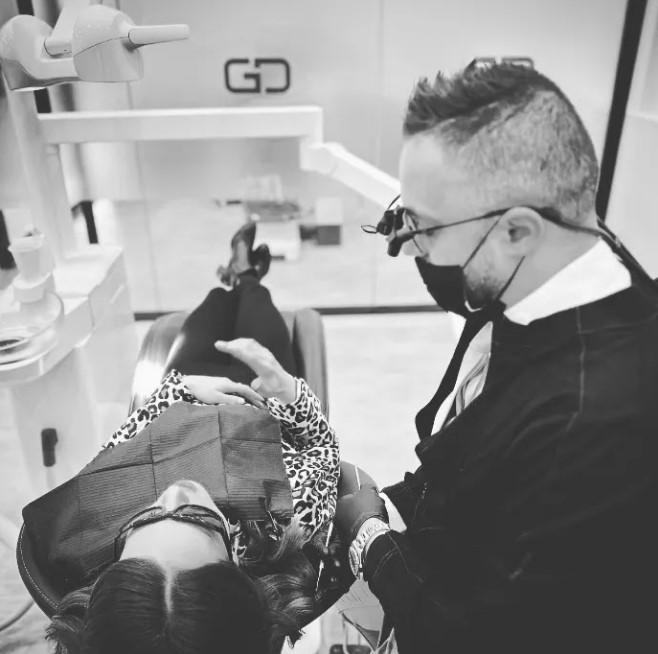
How to Build a Strong Relationship with Your Dentist
Building a strong relationship with your dentist can make it easier to communicate concerns and stay consistent with preventive care. Regular visits and open communication can also help your dentist become familiar with your dental history and changing oral health needs. Here are ways to build a strong relationship with your dentist: Communicate Concerns Clearly Clear communication gives your dentist the information needed to plan your care. Share details before the exam begins, and update the office whenever your health history changes. Use the following points to organize what you share: Stay Consistent With Visits Regular visits give your dentist