

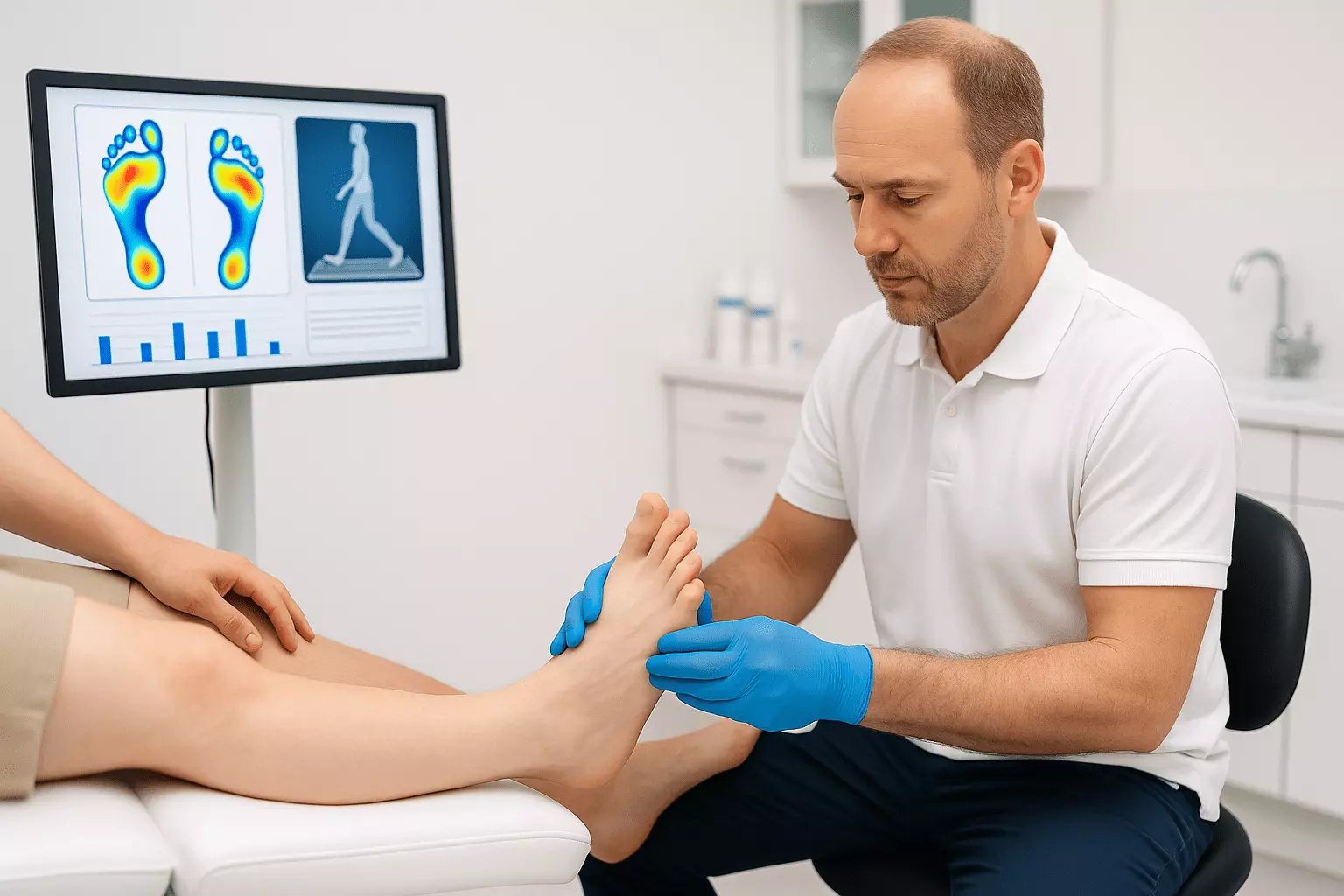
Understanding the Benefits of Podiatrist Consultations
A podiatrist specializes in diagnosing and treating conditions that affect the lower legs, helping manage concerns from heel pain and bunions to sports injuries and ulcers. You may need to visit a podiatry clinic if you have persistent foot and ankle pain or notice changes in your skin or nails. A consultation is also useful after an injury or when an existing condition begins to affect your daily activities. Here’s more information on when to visit a podiatrist to benefit your health: To Diagnose a Condition Foot and ankle condition symptoms often overlap, which can make it hard to identify

Tips for Preventing Ingrown Toenails During Winter Activities
Winter activities increase pressure, moisture, and friction on the toes. Because these conditions add stress to the nail edges, the risk of ingrown toenails rises. Patients benefit from taking preventive steps; trimming nails straight across, choosing properly fitted footwear, and keeping feet dry during cold-weather activities help reduce the risk of developing this condition. Here is more information on what ingrown toenails are, what causes them, why winter makes them more likely, and how patients can prevent them: What Are Ingrown Toenails? An ingrown toenail occurs when the edge or corner of a nail grows into the surrounding skin instead
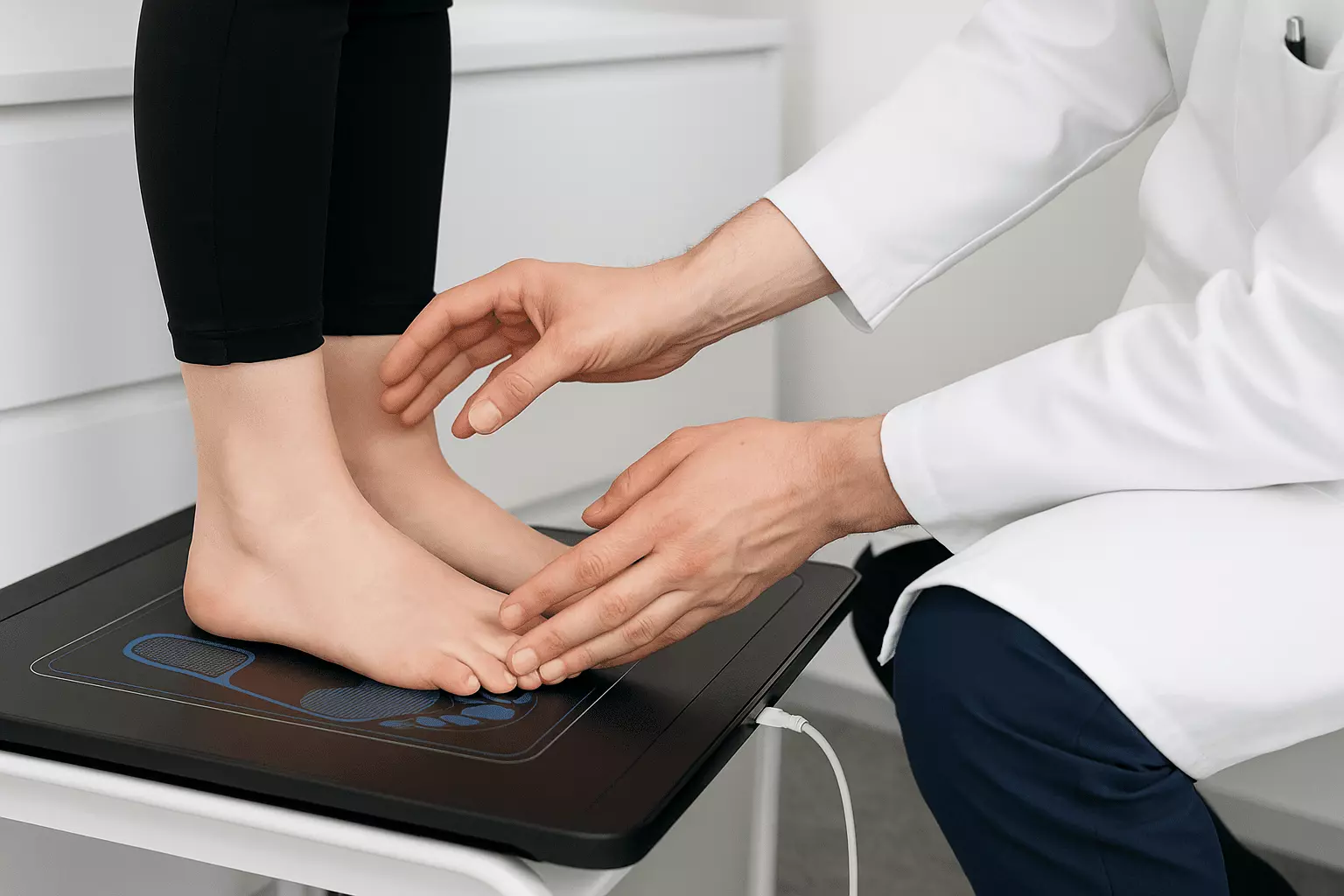
Managing Your Health After an Ankle Fracture
An ankle fracture happens when one or more bones break, and it may involve the tibia, fibula, or talus. Most fractures come from twists, falls, or sports injuries. After an X-ray confirms the break, your provider will give you a splint, cast, or boot. Here is more information on managing your health after an ankle fracture: Take Pain Relievers While home remedies help after an ankle fracture, many patients still need medicine for pain. Over-the-counter options work for mild to moderate pain, and your provider may prescribe something stronger for severe pain. Typical choices include the following: Read every label

How Infertility Specialists Support Couples on Their Journey to Parenthood
An infertility specialist helps couples understand possible causes of fertility challenges and explore available options for building a family. They guide each couple through medical evaluations, diagnostic testing, and personalized treatment planning based on their needs and reproductive goals. Here is more information on how infertility specialists support couples on their journey to parenthood: Identifying Possible Causes of Infertility The first step involves recognizing factors that may affect fertility in one or both partners. An infertility specialist reviews medical history, menstrual patterns, past pregnancies, and lifestyle habits. After this review, the specialist orders tests, which typically include the following: Developing

Treatments for Skin Allergy Symptoms
Skin allergies may cause itching, redness, swelling, and inflammation following exposure to certain substances. Treatment options include moisturizers, antihistamines, and topical medications, while avoiding identified allergens forms another part of symptom management. Because persistent or severe reactions might require further evaluation, an allergy specialist can perform testing and discuss individualized treatment options. Here is more information about treatmetns for skin allergy symptoms: Identifying Skin Allergy Symptoms Skin allergies may produce itching, redness, swelling, or rashes, depending on the underlying trigger. Hives appear as raised, itchy welts, while contact dermatitis often develops where the skin encounters certain substances. Common triggers include

What To Expect During Your First Visit to an Infertility Specialist
An initial infertility consultation provides an opportunity to review reproductive health, medical history, and fertility concerns. Diagnostic testing may include bloodwork and ultrasound, while evaluation findings provide information for discussing possible treatment options. Because fertility needs vary between patients, the consultation also provides time to discuss testing, candidacy, and potential next steps. Here is more information about what to expect during your first visit to an infertility specialist: Scheduling Your Initial Consultation Scheduling an initial fertility consultation begins the evaluation process. Patients may provide information about medical history and previous fertility care, while available records offer additional context for the
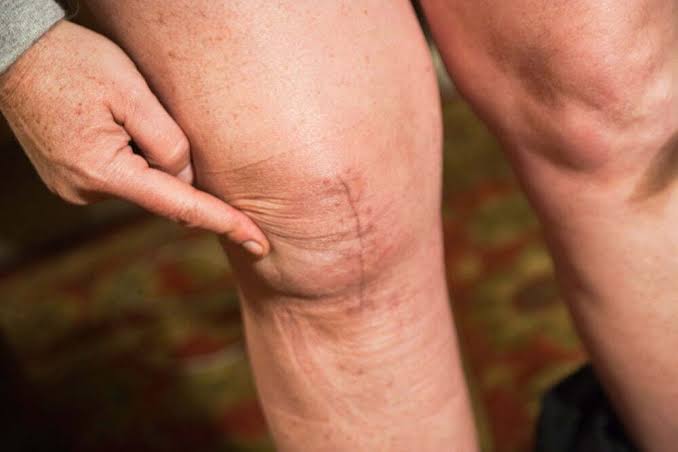
Preparing for Joint Replacement Surgery
Joint replacement surgery swaps a damaged joint for an artificial one, which is made of metal, plastic, or ceramic. Surgeons most typically replace hips and knees, but they also replace shoulders, elbows, and ankles. Since the procedure involves anesthesia and a recovery period, your care team will ask you to prepare in advance. This is how you can prepare during the weeks before surgery: Complete Medical Clearance Before your surgeon sets a date for joint replacement surgery, your primary care provider will confirm you are fit for surgery. Hospitals call this review medical clearance. The visit typically takes place several
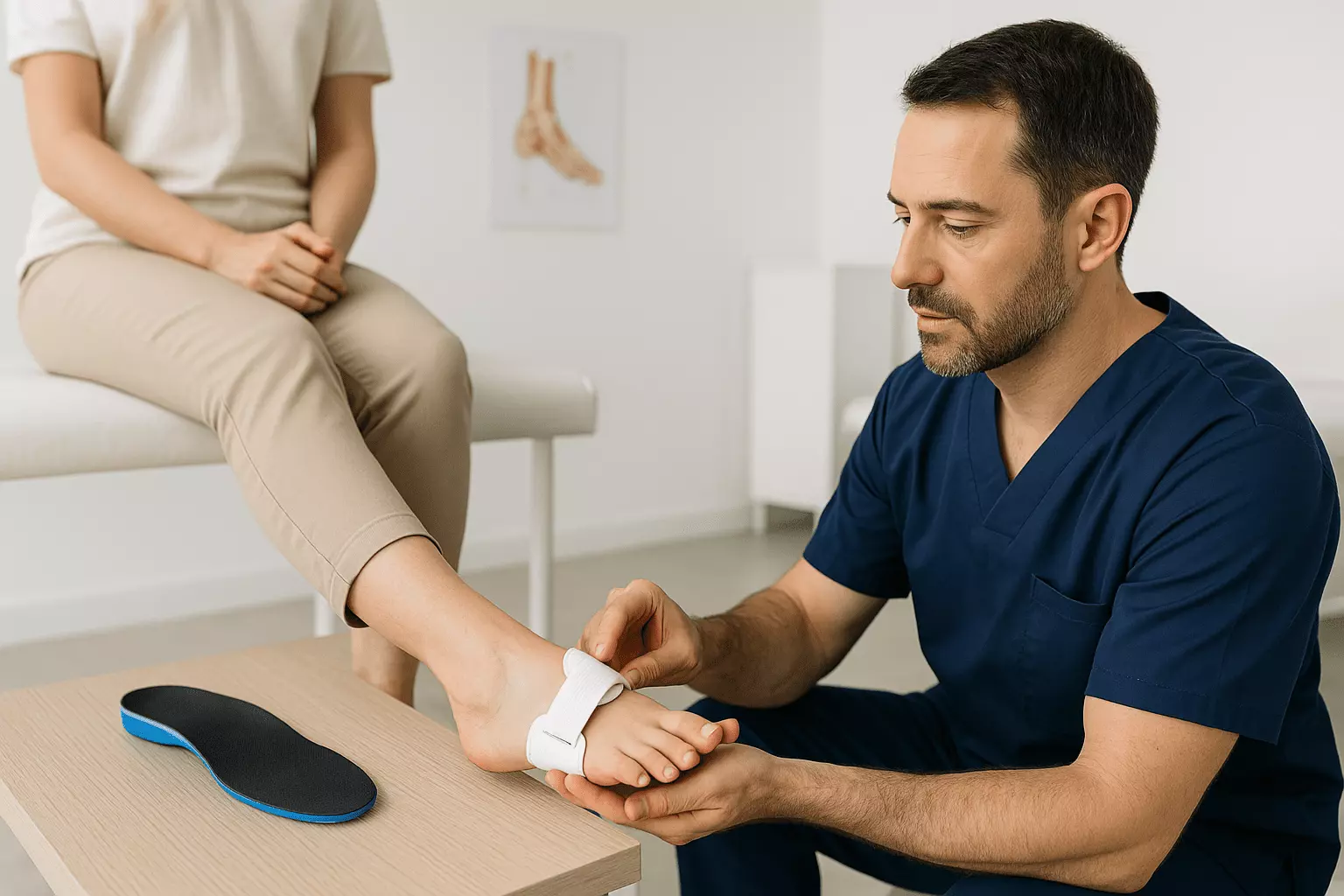
How Podiatrists Address Ingrown Toenail Complications
An ingrown toenail grows into the skin along the edge of the nail. This can cause redness, swelling, drainage, or infection. Some cases improve with home care, but complications may need professional treatment. When symptoms persist or worsen, a podiatrist can evaluate the toe. Examine, Diagnose, and Image Diagnosis begins with a discussion of your symptoms. Your podiatrist asks about pain, drainage, and how long the issue has persisted, and they review your medical history. Conditions such as diabetes or poor circulation affect healing, so your podiatrist needs this information. Tell your podiatrist about any home ingrown toenail treatments you

How Family Practice Can Assist With Women’s Health Issues
Family practice can support women’s health by providing preventive care, routine screenings, and treatment for common concerns. Providers may also help manage chronic conditions and coordinate referrals when specialized care is required. Here are some ways family practice can assist with women’s health issues: Providing Preventive Care Preventive care focuses on detecting changes early, and a family practice builds this into routine visits. During a checkup, your provider reviews your health history, tracks key measurements, and talks through symptoms you may notice as you age. These visits establish a baseline, so changes in energy, weight, or mood become easier to
The Benefits of Proper Wound Care From Your Podiatrist
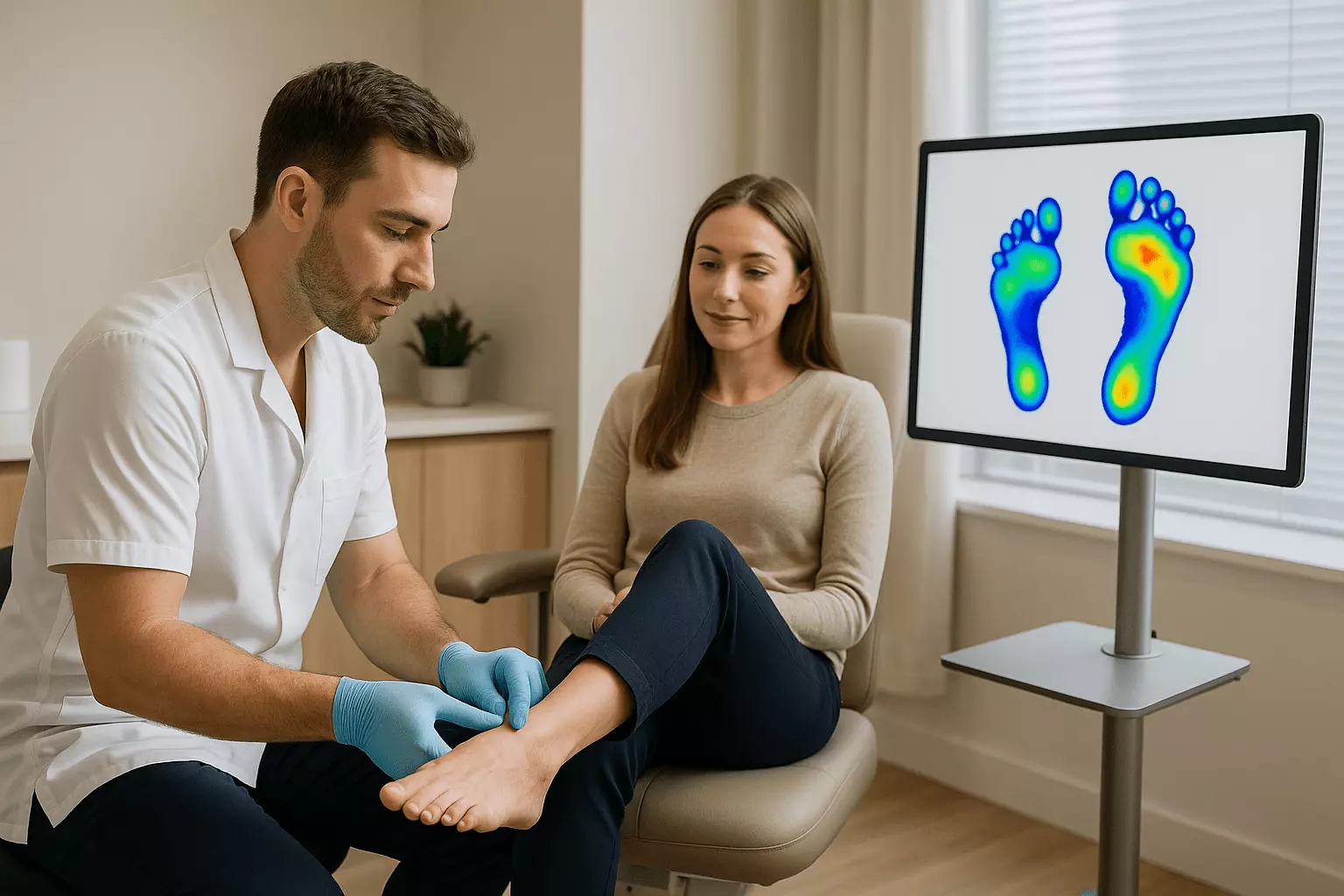
Unlike injuries on other parts of the body, foot wounds may experience constant pressure, movement, and friction throughout the day. These factors make their management a specialized field. A podiatrist focuses on the feet, ankles, and lower limbs, and they offer targeted care at every stage of treatment. Here’s information about podiatric wound care and what it involves: Understanding Podiatric Wound Care Podiatric wound care includes assessing, treating, and monitoring injuries on the lower extremities. A podiatrist examines each wound individually, evaluating its depth and location; they also assess the surrounding tissue. These steps help build a care plan tailored