

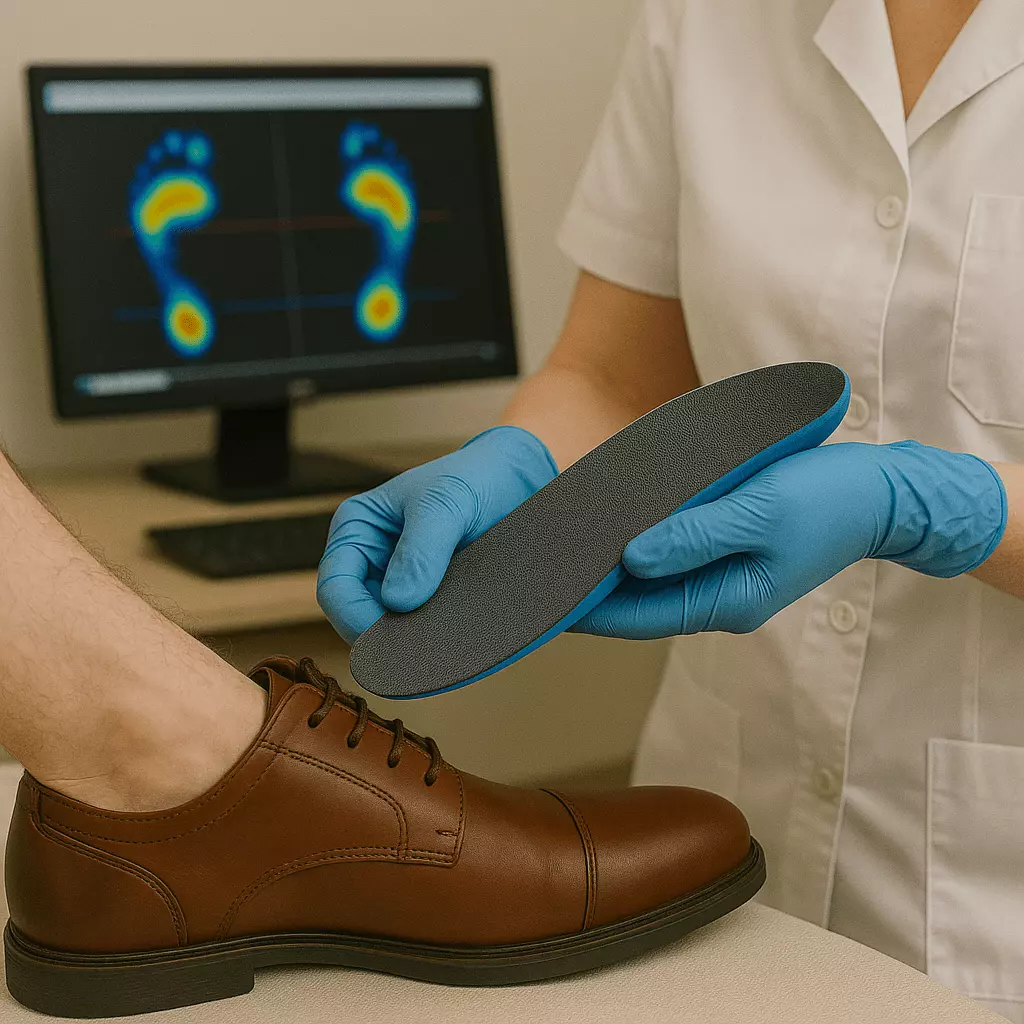
Foot and ankle wounds require careful management, and footwear plays a role in that process. Poorly fitted shoes can slow healing. When shoes apply excessive pressure to sensitive areas, they increase the risk of new injuries and interfere with recovery. Podiatrists specialize in identifying these risks, and they recommend footwear that supports the healing process. Here is more information on what a podiatrist does, what qualifies as healthy footwear, and what benefits proper shoe selection provides during wound care:
What Is a Podiatrist?
A podiatrist is a medical professional who diagnoses and treats conditions affecting the feet, ankles, and lower legs. Their training may cover biomechanics, skin and nail conditions, and the effects of diseases such as diabetes on foot health, which makes them well-equipped to address a wide range of foot-related concerns. Patients may seek podiatric care specifically for wound management, as chronic foot wounds often stem from pressure points, poor circulation, or structural abnormalities. Before recommending treatment, podiatrists assess how a patient walks, stands, and distributes weight; this assessment may include reviewing current footwear. Identifying these risks early is an integral part of the evaluation process.
What Is Healthy Footwear?
Healthy footwear supports the foot’s natural structure while minimizing pressure on vulnerable areas. Shoes with a wide toe box, adjustable closures, and cushioned soles typically meet this standard, and they may be recommended for patients managing foot wounds. Rigid materials and narrow designs compress the foot and restrict blood flow, which can delay wound healing.
Fit matters as much as design; a shoe that fits correctly leaves enough room for the toes to move. It should not pinch at the sides or heel. Seams and stitching inside the shoe should sit away from any wound sites to prevent friction. Patients recovering from foot or ankle wounds may benefit from shoes with removable insoles, which allow room for custom orthotic inserts or bandaging.
What Benefits Do They Offer?
Proper footwear offers several key benefits for wound care and overall foot health, including:
- Pressure reduction and weight redistribution: Proper shoes distribute weight more evenly across the foot, reducing stress on wound sites.
- Prevention of secondary wounds: Even weight distribution helps prevent secondary wounds that can develop due to compensatory walking patterns.
- Improved stability and fall prevention: Shoes with proper support and traction help correct gait instability.
These benefits make appropriate footwear a valuable component of wound care and long-term foot health management.
What Do Podiatrists Recommend?
Podiatrists may recommend shoes with a firm heel counter, a flexible forefoot, and adequate arch support. These features stabilize the foot while allowing natural movement during walking, and they are particularly beneficial for patients managing chronic wounds. For patients with active wounds, podiatrists may recommend specialized diabetic or post-surgical shoes, which are designed to accommodate bandaging. They also help reduce pressure on vulnerable areas.
Podiatrists sometimes recommend custom orthotics, which redistribute weight away from the wound site. They can be adjusted as healing progresses. Podiatrists may also advise patients to avoid walking barefoot or wearing sandals without back support. Regular follow-up appointments allow a podiatrist to monitor healing, and they will modify footwear recommendations as the patient’s condition evolves.
Receive a Recommendation Today
Choosing the right footwear affects how well a foot or ankle wound heals; a podiatrist evaluates your foot structure, wound location, and daily activity level before recommending shoes or orthotics suited to your recovery. From wide toe boxes to custom inserts, small footwear adjustments can make a difference in healing time and comfort. If you’re managing a foot or ankle wound, consult a podiatrist for a personalized footwear recommendation.