

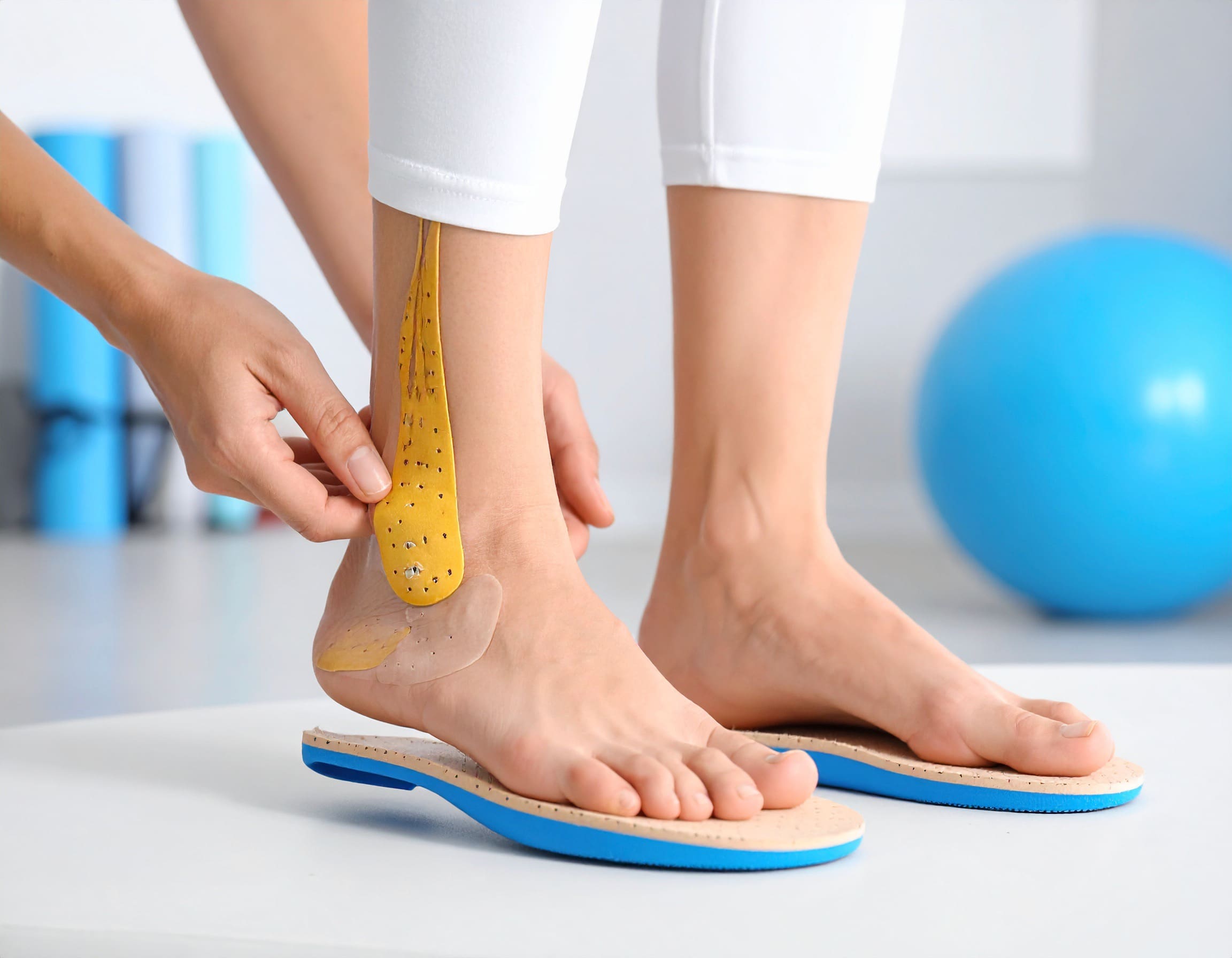
Orthopedic surgeons play a key role in sports medicine, addressing athletes’ musculoskeletal needs at every stage of their careers. Their services sometimes involve the operating room, but they also cover assessment, diagnosis, treatment, and recovery. Here are some ways orthopedic surgeons contribute to comprehensive sports care:
Assessing and Preventing Injuries
Before a sports season begins, orthopedic specialists conduct structured evaluations that document an athlete’s physical baseline. These pre-season assessments examine joint stability, previous injuries, and overall movement mechanics. Surgeons use the data gathered to flag structural factors that may warrant attention, and they collaborate with coaches and trainers to shape conditioning programs that address identified concerns. A thorough pre-season review gives the entire care team a clearer starting point. Beyond pre-season work, orthopedic surgeons contribute to long-term injury prevention strategies. They may review biomechanical patterns, contemplate the physical demands of a given sport, and advise on modifications that help reduce injury risk over a full competitive year.
Diagnosing and Treating Sports Injuries
Accurate diagnosis is the foundation of effective sports care. When an injury occurs, orthopedic specialists perform physical examinations and order imaging studies, which may include X-rays, MRI scans, and CT scans. These tests pinpoint the injury’s location and extent; a precise diagnosis directs every subsequent decision in the care process.
Injuries these specialists can treat include:
- Rotator cuff tears
- Meniscus tears
- Ankle sprains
- Finger injuries
- Tennis and golfer’s elbow
Not every injury requires surgery. An orthopedic surgeon reviews each case thoroughly, and they weigh non-surgical approaches such as bracing, activity modification, and physical therapy referrals alongside surgical options. When a procedure is warranted, surgeons perform interventions ranging from minimally invasive arthroscopy to complex reconstructions. They select an approach that suits the nature and severity of the injury. The care process does not end with a procedure or a prescription. Orthopedic specialists may also remain active throughout treatment, monitoring progress and adjusting the plan as the athlete’s condition evolves.
Coordinating Multidisciplinary Sports Care
Orthopedic specialists serve as a central reference point for decisions involving structural injuries. They may work closely with a broader network of professionals that includes:
- Physical therapists who direct rehabilitation and functional conditioning
- Athletic trainers who provide on-site care and track recovery milestones
- Primary care sports medicine physicians who manage non-operative conditions
- Strength coaches and nutritionists who support physical readiness across the season
This coordinated approach promotes consistency in the care each athlete receives, and every team member contributes a distinct area of knowledge. Return-to-play decisions follow the same collaborative model. Orthopedic specialists can establish the criteria that guide each stage of an athlete’s progression back to full activity. They review strength benchmarks, range-of-motion targets, and sport-specific performance indicators before granting clearance. The process is structured and measurable, which keeps it grounded in objective criteria.
Consult an Orthopedic Surgeon
Orthopedic surgeons can contribute at various points of an athlete’s life, from pre-season evaluation through injury management and return to competition. Their work spans prevention, diagnosis, treatment, and recovery, making them a fundamental component of any comprehensive sports care system. Each phase builds on the last, and the orthopedic surgeon’s involvement adds structure and continuity. If you are an athlete or coach seeking to build a stronger care framework, connect with a qualified orthopedic surgeon to learn more about their services.