

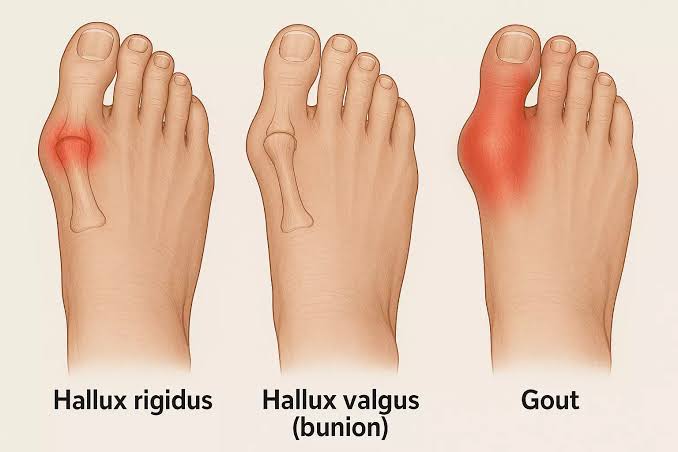
When foot mechanics remain unresolved, or patients wear improper footwear and skip post-care routines, bunions may recur after treatment. Patients can lower this risk by wearing supportive shoes, using custom orthotics, and maintaining consistent follow-up care with a podiatrist; these three changes address the structural and behavioral factors that allow bunions to return. Here is more information on what bunions are, why they recur, and which three changes help reduce the risk:
What Are Bunions?
A bunion is a bony bump that forms at the base of the big toe. Bunions develop when the foot’s joint structure shifts, which causes the big toe to gradually lean toward the second toe and push the joint outward. This misalignment worsens over time, and without treatment, the protrusion may become more pronounced, along with swelling, stiffness, and pain.
Genetics, foot structure, and prolonged joint pressure all contribute to bunion formation, and these factors interact in ways that accelerate the condition. Common symptoms include redness, calluses, and limited toe movement. Some patients may struggle to find shoes that fit comfortably because the protruding joint changes the foot’s shape.
What Causes Them To Recur?
Bunions can return after treatment, and recurrences relate to ongoing pressure on the big toe joint. Footwear that crowds the toes repeatedly strains the same area. Because patients with flat feet or low arches have foot mechanics that stress the joint more heavily, they face a higher recurrence risk. Skipping orthotic use or physical therapy after surgery can allow the bone to shift back toward its original position, which undermines the progress made during treatment.
If the bunion is left uncorrected, underlying joint instability leaves the area vulnerable to misalignment. Weight gain increases pressure on the forefoot, and inactivity compounds this effect over time. These factors raise the likelihood that a bunion resurfaces months or years later.
What Changes Help Prevent Recurrence?
Preventing a bunion from returning typically involves addressing both footwear habits and joint support. The following three changes target the root causes of recurrence:
- Switch to supportive, properly fitted footwear: Shoes with a wide toe box and firm arch support reduce pressure on the big toe joint.
- Use custom orthotics: Orthotic inserts correct underlying foot mechanics, such as overpronation, that contribute to joint misalignment.
- Maintain consistent follow-up care: Regular check-ins with a podiatrist allow for early detection of joint shifts before they progress.
Patients who combine these three changes give their feet the structural support needed to resist the pressure patterns that lead to recurrence.
How Is Professional Guidance Beneficial?
A podiatrist can assess foot structure, gait, and joint alignment to build a prevention plan tailored to each patient; this individualized approach identifies risk factors that patients may not detect on their own. Subtle pronation and uneven weight distribution are common examples. Since the foot changes over time, professional monitoring allows treatment adjustments as these shifts occur. Patients who follow professionally recommended protocols are better positioned to prevent recurrence.
Consult a Podiatrist Now
Bunion recurrence is preventable with the right combination of footwear, orthotic support, and ongoing care; patients who understand what causes bunions to return are better equipped to make lasting changes rather than temporary fixes. Supportive shoes, custom orthotics, and consistent follow-up visits target the mechanics that lead to recurrence. If you have a bunion, schedule an appointment with a podiatrist to build a personalized treatment and prevention plan.