

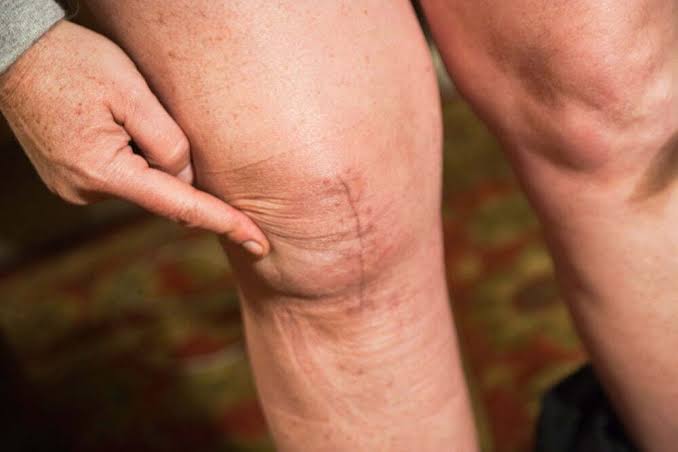
Joint replacement surgery swaps a damaged joint for an artificial one, which is made of metal, plastic, or ceramic. Surgeons most typically replace hips and knees, but they also replace shoulders, elbows, and ankles. Since the procedure involves anesthesia and a recovery period, your care team will ask you to prepare in advance. This is how you can prepare during the weeks before surgery:
Complete Medical Clearance
Before your surgeon sets a date for joint replacement surgery, your primary care provider will confirm you are fit for surgery. Hospitals call this review medical clearance. The visit typically takes place several weeks before surgery, and it includes a physical exam. Your surgeon’s office will send the required forms to your provider.
Your provider will review your health history, and you will likely complete several tests. Tests include blood work, a urinalysis, and an electrocardiogram (EKG), which records your heart’s electrical activity. In some cases, patients also need a chest X-ray. Your provider will share the results with your surgeon once they come back.
Adjust Medications as Directed
Some medications raise bleeding risk, and others interact with anesthesia. Your surgeon will give you specific instructions for each drug. Do not stop any prescription unless your care team tells you to. Your care team might review these medications with you:
- Blood thinners, such as warfarin, apixaban, or clopidogrel
- Aspirin and NSAIDs, such as ibuprofen and naproxen
- Diabetes medications, including insulin and metformin
- Rheumatoid arthritis drugs that suppress the immune system
- Supplements such as fish oil, ginkgo, garlic, and vitamin E
Chronic health conditions need careful attention at this stage. If you have diabetes, high blood pressure, or heart disease, your provider may adjust your treatment first. Uncontrolled blood sugar raises the risk of infection, and high blood pressure may delay your surgery date. Bring a list of your current diagnoses to the appointment.
Finish any Dental Work
If bacteria from a mouth infection enter your bloodstream, they may settle in the new joint. An infected joint replacement typically requires more surgery, and recovery takes longer. Many surgeons request a dental exam before joint replacement. Your surgeon may delay surgery until your dentist clears you.
Schedule a cleaning and checkup about two months before surgery. If your dentist finds problems, finish any fillings, extractions, or root canals before your surgery date. Dental work introduces bacteria into your bloodstream, and your body needs time to heal afterward.
Tell your dentist that you plan to have joint replacement surgery. Be proactive about your health by keeping your dentist and surgeon informed. Dental infections can complicate surgery, so addressing them early reduces risks. While scheduling your dental exam, ask your surgeon about any additional steps needed to ensure a smooth procedure.
Quit Smoking
Smoking narrows blood vessels and reduces blood flow to healing tissue. Nicotine slows bone healing, and smokers face a higher rate of wound infection. Many surgeons ask patients to quit at least four weeks before surgery. Your provider may recommend these tools while you quit:
- Topical nicotine patches or gum, if your surgeon approves them
- Prescription medications, such as varenicline or bupropion
- Text-based or app-based quit programs
Schedule a Joint Replacement Consultation
Once you complete these steps, your surgical team will review your results and set a surgery date. A consultation gives you time to ask questions about the procedure and recovery. Bring your medication list and test results, and write down your questions beforehand. Call a sports medicine clinic or book online to schedule a joint replacement consultation.