

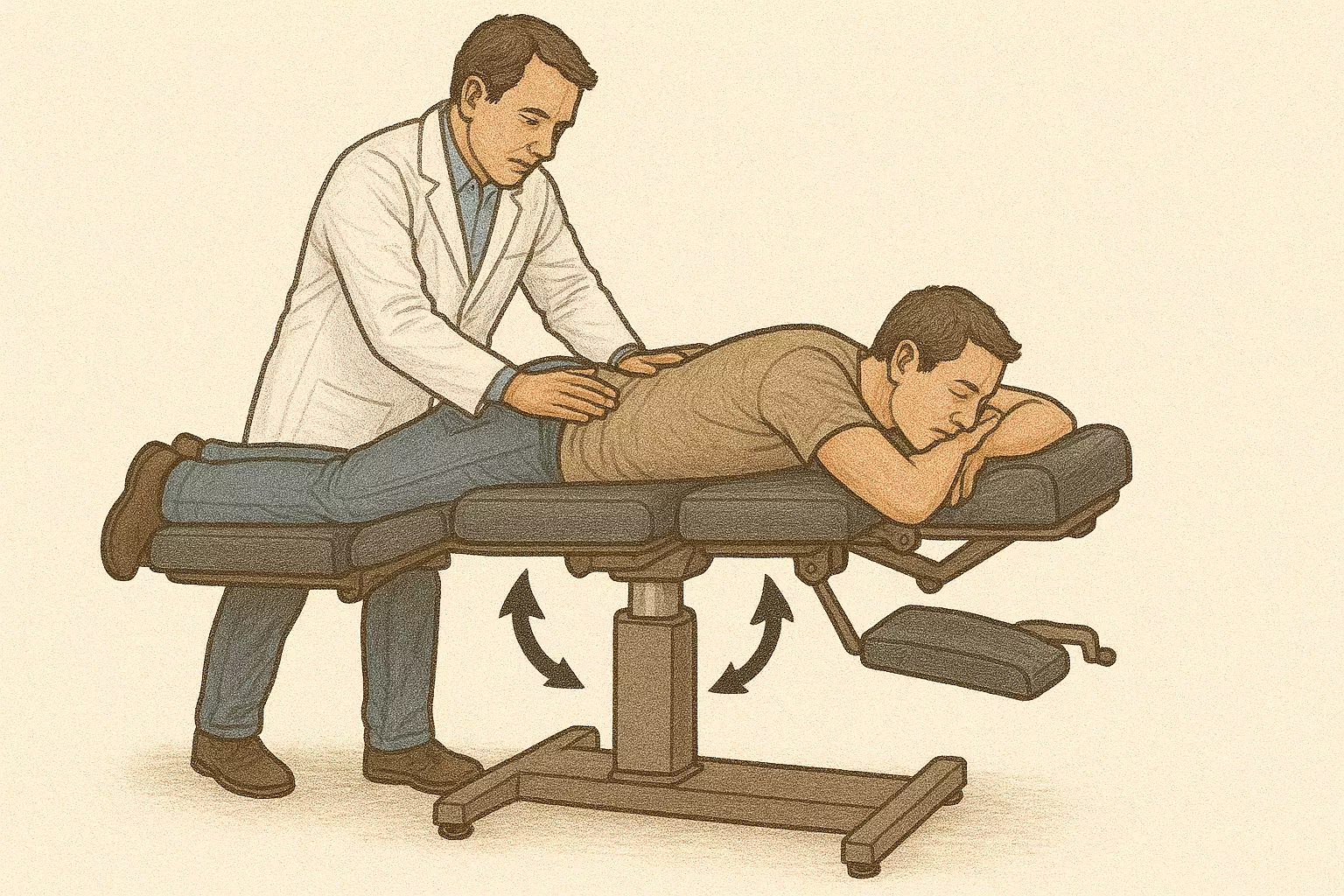
A herniated disc affects the soft cushion between two spinal bones, and it can cause significant pain. The inner gel pushes through a tear in the outer layer, and it may press on nearby nerves. Since nerve pressure varies from person to person, treatment plans differ. Here are four treatment paths for herniated discs:
Non-opioid Medications
Many providers start with medication, and they typically pair it with rest and activity changes. When pain stays mild to moderate, over-the-counter drugs may provide relief. Each type targets herniated disc pain in a different way. Some non-opioid choices include:
- NSAIDs: Ibuprofen or naproxen to reduce swelling and inflammation
- Acetaminophen: General pain relief with fewer stomach effects
- Muscle relaxants: Short-term help for back spasms
- Nerve pain medications: Drugs for shooting leg or arm pain
Before you take any new medication, tell your provider about your other drugs and health conditions. NSAIDs may irritate the stomach or affect kidney function with long-term use, but acetaminophen is gentler on the stomach. Follow the dosing directions on each label.
Physical Therapy
Physical therapy focuses on movement, strength, and posture. After a therapist reviews your symptoms, they design a program around your daily movements. Sessions are typically short, and most programs run for several weeks. Some people begin therapy within a few weeks of diagnosis.
Core exercises build support around the spine, and stretches improve flexibility in tight muscles. Some therapists also use heat, ice, or gentle traction. These methods may ease discomfort while nerve irritation decreases. Your therapist also teaches safer ways to lift and bend.
Progress depends on how often you complete your home exercises. Your therapist adjusts the plan over time, and you share feedback on new or worsening symptoms. Daily practice at home supports your progress between sessions.
Spinal Injections
Epidural steroid injections place anti-inflammatory medicine near the irritated nerve root. A provider uses imaging to guide the needle, and the procedure is straightforward. If oral medications and therapy bring limited relief, a provider may recommend this step.
Relief varies widely, and some people need more than one injection. Most providers might limit injections to a few per year because steroids affect bone and tissue. Expect mild soreness at the injection site for a day or two. Rest for the remainder of that day and follow your provider’s activity guidance.
Surgical Intervention Referrals
Surgery typically enters the discussion when symptoms persist for weeks despite other treatment. Your provider may refer you to a spine specialist for an evaluation. Surgical procedures may include microdiscectomy and laminectomy, and recovery time differs for each one. Most herniated disc cases do not require surgery.
Certain symptoms need faster attention. Nerve damage may progress quickly, and a delay may limit recovery. If any of these signs appear, seek emergency care right away:
- Loss of bladder or bowel control
- Numbness in the groin or inner thighs
- Leg weakness that gets worse
- Pain that does not respond to medication
Address Herniated Disc Pain
Herniated disc treatment typically starts with simple steps, and it may progress to injections or surgery. Your provider adjusts the plan as your symptoms change. Track your pain levels, triggers, and daily limits between visits. A spine and sports medicine clinic can offer a convenient first evaluation for sudden back pain.