

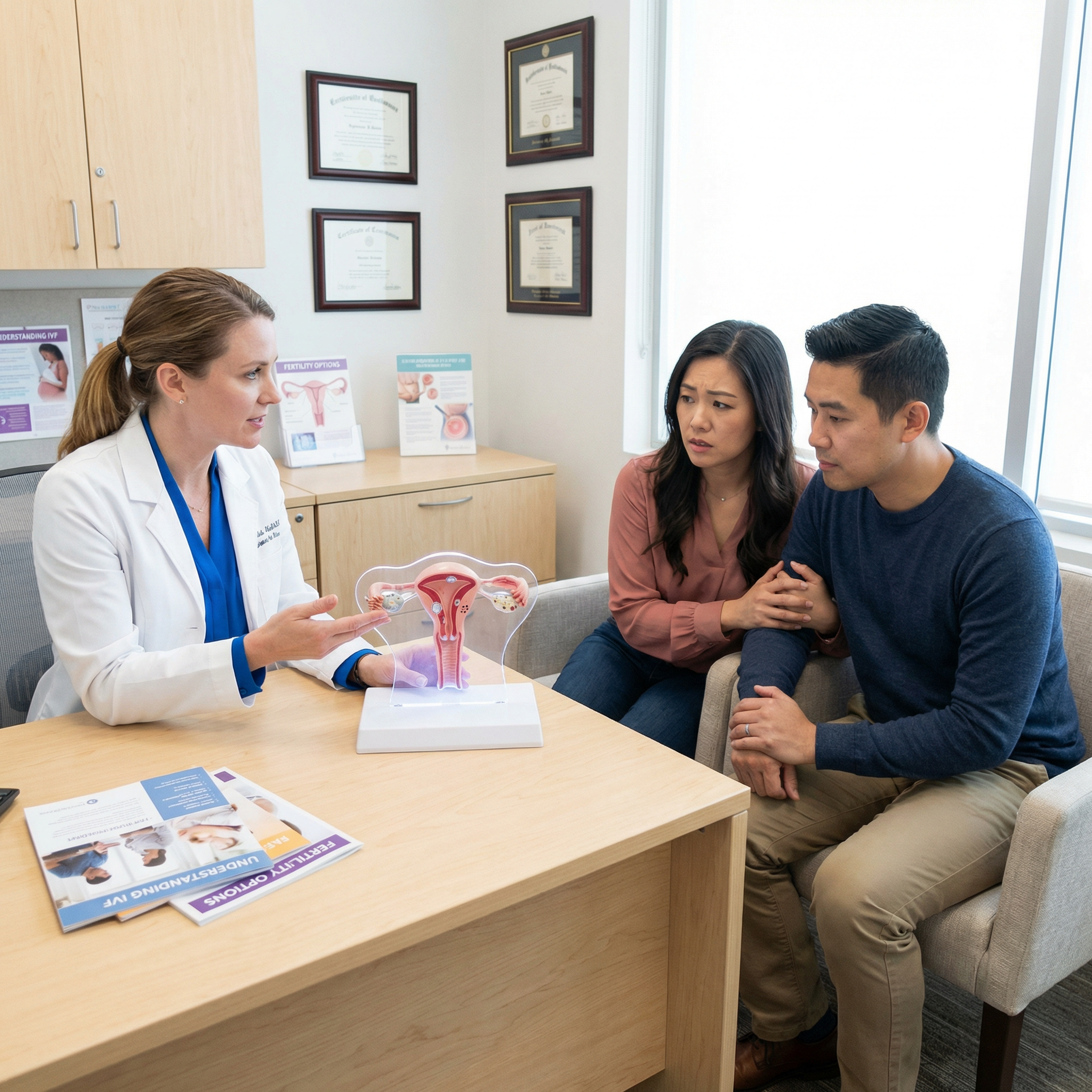
An OBGYN specializes in obstetrics and gynecology; this covers pregnancy, childbirth, and female reproductive health. Fertility awareness is the practice of tracking body signs, such as cervical mucus and cycle length, to identify fertile and infertile days. When you share this information with your doctor, they can use these details to guide preventive care or treatment planning. Here is some information about the role of fertility awareness in OBGYN care:
Supports Family Planning
Fertility awareness gives you a record of when ovulation is likely to occur. Many women have a fertile window of about six days each cycle: the five days before ovulation and the day of ovulation itself. Sperm may survive in the reproductive tract for up to five days, while an egg survives for 12 to 24 hours after release. Because of this timing, knowing your fertile window helps you plan intercourse if you are trying to conceive or avoid it if you are not. Your OBGYN may teach you one or more tracking methods. Common options include:
- Basal body temperature: Take your temperature each morning before getting out of bed. A small, sustained rise of about 0.5 to 1 degree Fahrenheit usually follows ovulation.
- Cervical mucus method: Check mucus daily. Clear, stretchy, slippery mucus often appears near ovulation.
- Calendar method: Record cycle lengths for at least six months to estimate fertile days.
- Symptothermal method: Combine temperature, mucus, and calendar tracking for a fuller picture.
Effectiveness varies by method and user, so accurate, consistent tracking is key when using fertility awareness for family planning. If you want to conceive, your OBGYN can help you identify your most fertile days. If you are trying to avoid pregnancy, they will explain how to use your tracked information to recognize infertile days. They should also discuss additional contraception options.
Monitors Health
When you track your cycle over several months, patterns start to appear. Some fall within a typical range; others may point to a condition that needs evaluation. In adults, a cycle usually lasts between 21 and 35 days. Cycles that fall outside this range, change suddenly, or skip months are worth noting. Tracking may reveal signs such as:
- Irregular or absent periods, which are sometimes linked to chronic health conditions
- A short luteal phase
- Spotting between periods
- Heavy bleeding that soaks a pad or tampon every hour for several hours
- No temperature shift, which may suggest a cycle without ovulation
Guides Care
Your OBGYN can review fertility data alongside your medical history, physical exam, and test results; together these details shape the next steps in your care. If your charts show no clear ovulation pattern, your doctor may order blood work to check hormone levels. A pelvic ultrasound is often recommended when bleeding patterns suggest fibroids or polyps. Charting also helps with timing. Some tests give the most accurate results on specific cycle days, such as day three hormone testing or a mid-luteal progesterone check. These findings help determine whether you need further evaluation or treatment.
Visit an OBGYN
Fertility awareness can give your OBGYN useful information about your menstrual cycle and ovulation patterns. Consistent tracking may help your doctor identify concerns and determine when certain tests are useful. For questions about family planning, irregular cycles, or reproductive health, schedule an appointment with an OBGYN today.