

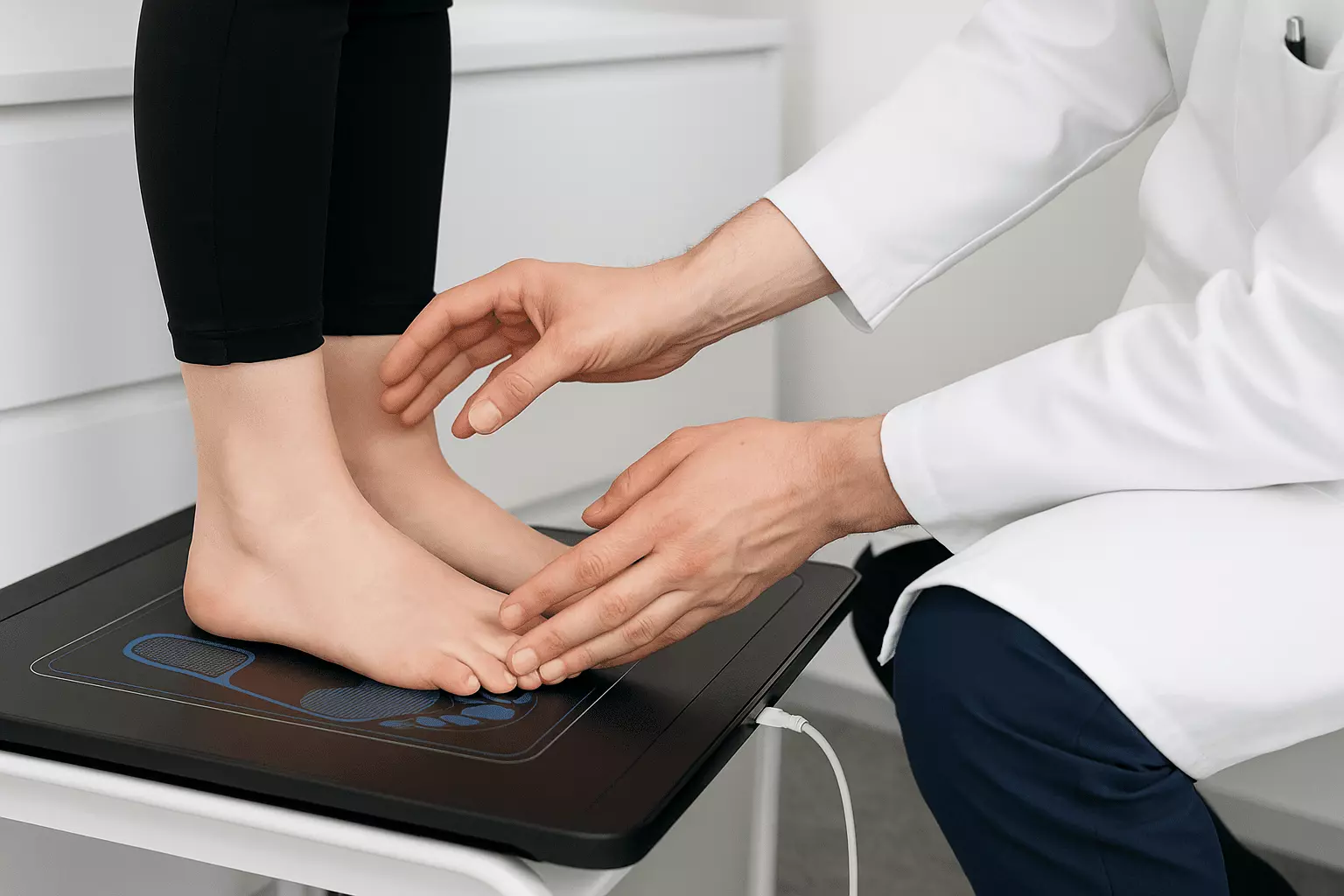
An ankle fracture happens when one or more bones break, and it may involve the tibia, fibula, or talus. Most fractures come from twists, falls, or sports injuries. After an X-ray confirms the break, your provider will give you a splint, cast, or boot. Here is more information on managing your health after an ankle fracture:
Take Pain Relievers
While home remedies help after an ankle fracture, many patients still need medicine for pain. Over-the-counter options work for mild to moderate pain, and your provider may prescribe something stronger for severe pain. Typical choices include the following:
- Acetaminophen: relieves pain without reducing swelling
- Ibuprofen: eases pain and swelling
- Naproxen: offers longer-lasting relief per dose
- Prescription medicine: treats severe pain for a short period
Read every label for dosage limits. Some providers limit anti-inflammatory drugs because they may slow bone healing in certain cases. Ask about your situation, and share a full list of your current medications. Avoid alcohol while you take prescription pain medicine.
Apply Ice
Ice reduces swelling and pain in the first few days after an injury. When you apply ice, the cold narrows blood vessels and slows fluid buildup around the joint. Apply ice for 15 to 20 minutes at a time, and repeat this every two to three hours during the day.
Never place ice directly on your skin; wrap it in a thin towel instead. A bag of frozen peas also works well. If your skin turns numb or bright red, remove the ice right away.
If you wear a splint or cast, keep it dry during icing. A sealed plastic bag over the ice limits moisture. Most swelling peaks within 48 to 72 hours, so focus your icing on that window.
Elevate Your Leg
Elevation works alongside ice to control swelling. Gravity pulls fluid toward your foot, and raising your leg helps that fluid drain back toward your heart. Keep your ankle above heart level whenever you sit or lie down.
Stack two or three pillows under your calf, but avoid placing pressure on your heel. Since swelling tends to return at night, keep your leg raised while you sleep. A wedge pillow offers steady support for longer periods. Aim to elevate your leg for most of the day during the first 48 hours.
Keep Weight Off Your Leg
Putting weight on a broken ankle may shift the bone, and it may delay healing. Your provider will set clear rules about weight-bearing. Until your provider clears you, use a mobility aid to get around:
- Crutches: short distances and stairs
- Knee scooter: longer distances on flat ground
- Walking boot: partial weight with provider approval
- Wheelchair: the first days after a severe break
If you notice numbness, tingling, or pale toes, seek care right away. New calf pain or swelling may signal a blood clot. A tight cast also needs attention, so contact your provider about any pressure or rubbing.
Address an Ankle Fracture
Home care covers the first stage of recovery. Ice and elevation limit swelling, and medicine manages pain. Once the swelling goes down, your provider may refer you to an orthopedic specialist or physical therapist. Many urgent care centers offer walk-in X-rays and splinting for suspected fractures.