

Neck pain can result from muscle strain, poor posture, injuries, or underlying spinal conditions. Persistent or severe pain may affect mobility, interfere with daily activities, and require professional medical attention. A neck pain specialist can evaluate the underlying cause of discomfort and recommend appropriate treatment options. Here are some key things to know about neck pain management:
What Causes Neck Pain?
Neck pain can develop from a range of factors, some of which relate to daily habits. While a single cause is sometimes clear, some cases involve multiple contributing factors. A neck pain specialist reviews your daily habits and past injuries and looks for patterns in your symptoms. Here are some frequent sources of neck discomfort:
- Poor posture: Looking down at a phone or leaning toward a computer screen for long periods places extra strain on the neck muscles.
- Muscle strain: Sleeping in an awkward position or lifting heavy objects can overstretch the neck’s soft tissues.
- Age-related changes: The discs and joints in the spine change over time, and this wear sometimes leads to stiffness.
- Injuries: Car accidents, falls, and sports collisions jerk the head forward and backward suddenly.
- Pinched nerves: When nearby tissue presses on a nerve, you may feel pain, numbness, or tingling that extends into the shoulder or arm.
How Is It Diagnosed?
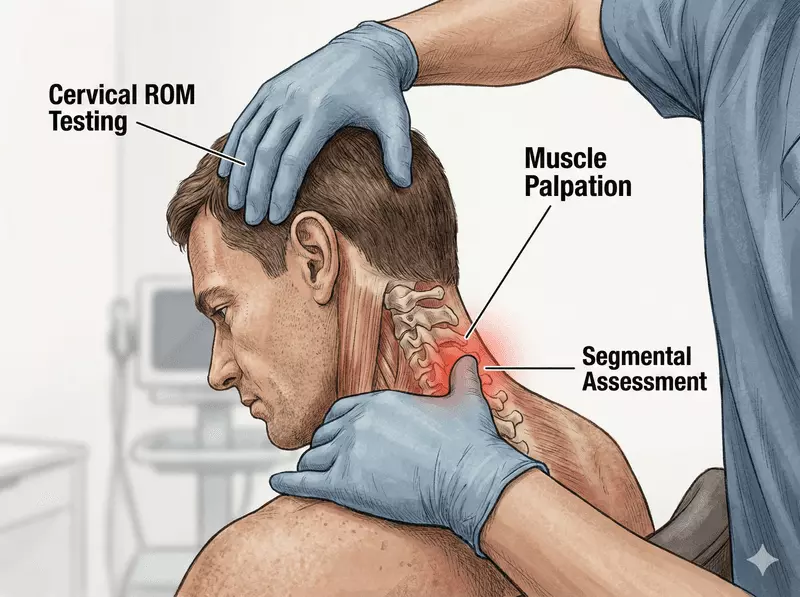
A neck pain specialist generally begins with a detailed conversation about your symptoms and medical history. They ask when the pain started, what makes it worse, and whether it spreads to other areas. This information narrows potential causes and guides the next stage of the evaluation. They then perform a physical exam. The specialist checks your range of motion, muscle strength, reflexes, and areas of tenderness, and they observe your posture. If the exam points to a structural issue, the specialist may order imaging tests such as an X-ray or MRI. These scans show the bones, discs, and soft tissues in detail, and they help the specialist confirm or rule out specific conditions.
Which Treatments Can Help?
Treatment plans vary by person and depend on the cause and severity of your symptoms. Neck pain specialists often start with nonsurgical methods. If these methods do not provide enough relief, they discuss other options with you.
Therapy and Home Exercises
Physical therapy focuses on flexibility, strength, and posture. A therapist teaches you targeted stretches and exercises, and you continue them at home between sessions. When you follow the program consistently, it aims to build better muscular support for your neck over time. Some therapists also use heat, ice, or hands-on techniques during appointments.
Medications and Injections
Over-the-counter pain relievers are a common starting point for short-term discomfort. A specialist may also prescribe muscle relaxants or recommend topical creams for localized soreness. When pain persists despite these measures, some patients contemplate injections that deliver medication directly to the affected area.
How Can It Be Prevented?
Daily habits play a key role in neck health. Position your computer monitor at eye level, and keep your shoulders relaxed while you type. If you use your phone often, hold it closer to eye level instead of bending your head forward. Short breaks every few minutes also give your neck muscles a chance to rest. Sleep position is another helpful area to address. A supportive pillow keeps your head aligned with your spine, and sleeping on your back or side generally places less strain on the neck than sleeping on your stomach.
Consult a Neck Pain Specialist Today
Neck pain management involves identifying the cause of your discomfort, completing a thorough evaluation, and following a personalized treatment plan. Nonsurgical options such as physical therapy and medication are often the foundation of treatment plans, and lifestyle changes help limit future flare-ups. Contact a qualified neck pain specialist near you to schedule your consultation today.