

Plastic surgeons offer many treatment options to complement your natural features, including surgical and nonsurgical procedures. Surgical procedures can reshape or restore areas of the face and body, but nonsurgical treatments provide alternatives for patients who want less downtime. Platelet-rich plasma (PRP) therapy is a nonsurgical option that uses components of your own blood to promote healing and rejuvenation; because the material comes from your body, PRP is an autologous treatment. Here’s more information on PRP therapy and how medical providers use it for soft-tissue injuries, thinning hair, and skin health:
For Soft-tissue Injuries
PRP therapy begins with a small blood draw from the arm; this sample is then processed in a centrifuge, which spins it at high speed. This process separates the blood into layers of red blood cells, platelet-poor plasma, and platelet-rich plasma. A medical provider then extracts the concentrated platelet-rich plasma layer for treatment. In many soft-tissue treatment cases, a provider uses ultrasound guidance to inject the PRP directly into the injured tendon, ligament, muscle, or joint. The appointment typically lasts 30 to 60 minutes.
Platelets contain growth factors and proteins that support the body’s natural healing response, including:
- Platelet-derived Growth Factor (PDGF)
- Transforming Growth Factor-beta (TGF-β)
- Vascular Endothelial Growth Factor (VEGF)
Delivering a higher concentration of these proteins to the injury site is intended to support tissue repair, especially in areas with limited blood supply. Researchers continue to study PRP for these uses, and results vary from patient to patient. Many patients receive a series of injections spaced several weeks apart and experience pain-reducing benefits over time.
For Hair Rejuvenation
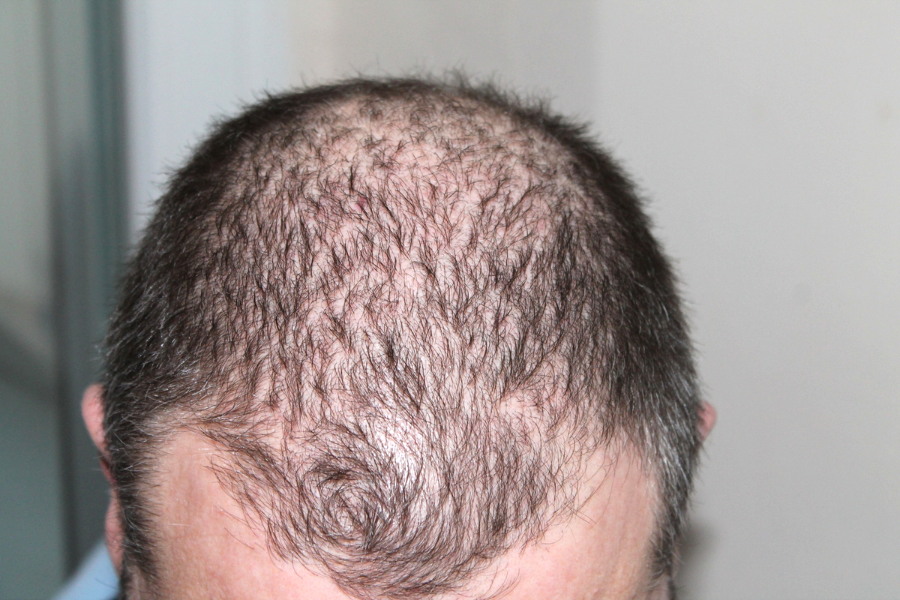
PRP treatment for thinning hair follows a similar preparation process as soft tissue injection treatments. After the medical provider draws and processes the blood, they may apply a topical numbing agent to the scalp. Small injections of PRP are then placed across areas where the hair has been thinning. Hair follicles go through cycles of growth, transition, and rest, and PRP’s growth factors are thought to influence these cycles.
For some individuals, PRP injections may help extend the growth phase and support blood flow around the follicles. PRP is often used for androgenetic alopecia, a common form of hereditary hair loss. Results depend on the cause of hair loss, but a consultation helps determine whether you are a suitable candidate.
For Skin Health
Microneedling uses a device with fine needles to create controlled micro-injuries in the skin, triggering a natural repair process that produces collagen and elastin. When combined with microneedling, PRP is applied to the skin during or immediately after the session. The open channels allow the plasma to reach deeper skin layers than topical application alone, promoting skin rejuvenation. The growth factors in PRP help support the repair process that microneedling starts. Providers use this combination to address fine lines, acne scars, uneven texture, and enlarged pores.
Try PRP Therapy
PRP therapy is offered by several types of medical professionals, including plastic surgeons, dermatologists, orthopedic specialists, and internists. To find an internist who offers PRP services, ask your primary care provider for a referral, or search online directories from professional medical organizations. Many practices list PRP therapy on their websites under regenerative or aesthetic services. Before scheduling, check the provider’s board certification, training, and PRP experience. PRP therapy is often considered elective, so insurance may not cover the treatment.