

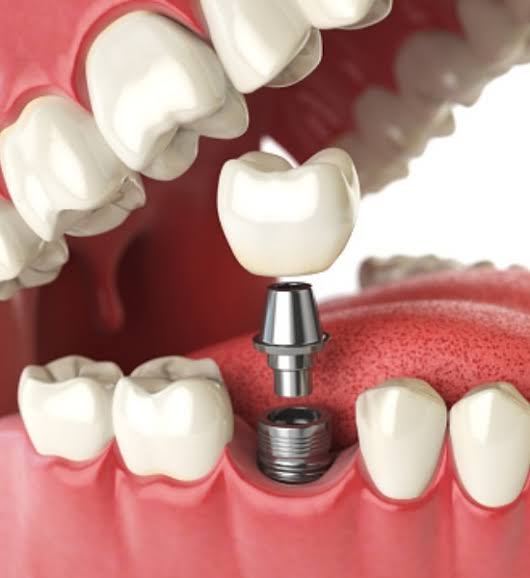
Cosmetic dentist implants replace missing teeth with fixed artificial teeth. Each implant has three parts, and each part has a specific function. Treatment takes place over several months, so you should understand each stage before it begins. Implants fall under both dental implants and cosmetic dentistry because they address function and appearance.
Components of a Cosmetic Implant
A cosmetic implant consists of an artificial root, an abutment, and a crown. The cosmetic dentist places the artificial root into the jawbone. The bone heals around it over several months. After the bone heals, the dentist attaches the abutment. This piece connects the root to the crown. The abutment sits slightly above the gumline. Each material has distinct properties. Your dentist will review both options with you, and they will recommend the material that suits your anatomy and treatment goals.
The size and shape of the root also vary by patient, and the dentist selects the appropriate dimensions based on your bone structure. Understanding these components helps you know what to expect at each stage of treatment. The crown is the part of the implant that shows. The dental team takes impressions of your mouth, and a lab makes the crown to fit your bite.
Candidates for Implant Treatment
Implant candidates need enough jawbone density and healthy gums. Your dentist will review your medical history, and they use X-rays or scans to check the condition of your jawbone. A cone beam CT scan gives a three-dimensional view of your bone, which helps with precise implant placement planning. If your bone volume is low, you may need one of these procedures:
- Bone graft: This rebuilds bone volume, but healing from the graft adds time to treatment.
- Sinus lift: Your dentist may recommend this if your upper jaw lacks sufficient bone height.
Care After Implant Placement
While the site heals, you should eat soft foods. Avoid chewing on the implant side. Soft options provide nutrition without putting pressure on the healing site. Avoid hard or sticky foods during the first weeks. They can disturb the implant before osseointegration is complete. Hot beverages and alcohol can also interfere with healing. You should limit both during the initial recovery period. Recovery begins right after surgery. You may notice swelling or tenderness, and the dentist will give you instructions for managing it. Applying a cold pack to your face can help reduce it. The dentist will provide gauze and instructions for managing it at home. The dentist will prescribe pain medication or recommend over-the-counter options to manage discomfort. You should take them as directed. If you were prescribed antibiotics, complete the full course even if the area feels better sooner.
Schedule a Cosmetic Dentist Consultation
A consultation is the first step toward implant treatment. The dentist will examine your mouth, and you can ask questions about the process. Treatment plans vary by patient, so the dentist will outline timing and steps after the exam. When you schedule your visit, bring a list of your medications. Contact your office to book your appointment.