

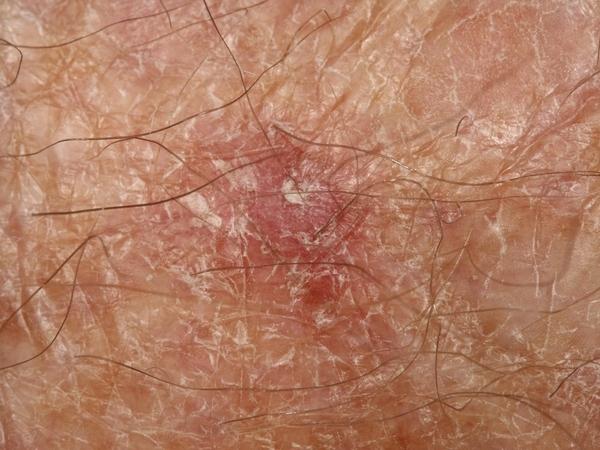
Mohs surgery is a precise technique that removes certain types of skin cancer, including basal cell carcinoma and squamous cell carcinoma. Dermatologists recommend this procedure when cancer appears on sensitive or highly visible areas such as the face, ears, scalp, hands, or genitals. It may also be suggested for tumors that are large, have unclear borders, or have returned after previous treatment. Because the surgeon removes tissue in thin layers and examines each one under a microscope, the procedure helps preserve as much healthy skin as possible. Here are some lifestyle changes that can support your healing after Mohs skin cancer surgery:
How Does Movement Support Healing?
Physical activity after Mohs skin cancer surgery requires balance. Gentle movement supports circulation, but strenuous exercise can place stress on a fresh wound. Light activity, such as short walks around your home or neighborhood, may help maintain blood flow during recovery. Healthy circulation delivers oxygen and nutrients to tissues throughout the body, including the surgical site. Your surgeon can tell you when it is appropriate to return to your usual exercise routine.
Mohs surgery is typically performed in an outpatient setting under local anesthesia, where your surgeon removes a thin layer of tissue and examines it in an on-site lab. If cancer cells remain, the surgeon removes another layer only from the affected area. This process continues until no cancer cells are detected. The procedure can take several hours, so plan to spend most of the day at the clinic. Once the cancer is removed, the surgeon will decide whether to let the wound heal on its own or close it with:
- A Skin Flap
- A Skin Graft
- Stitches
What Foods Support Wound Healing?
Your body needs adequate nutrition to rebuild tissue after surgery, and protein is particularly helpful for wound healing. Your body uses amino acids from protein to form collagen, the structural fiber that gives new skin its strength. Protein also helps produce immune cells that defend the body against infection. Good sources include lean poultry, fish, eggs, Greek yogurt, beans, lentils, and tofu.
Whole grains are another useful dietary addition when you are healing after Mohs surgery. Foods like oats, brown rice, quinoa, and whole wheat bread provide complex carbohydrates for steady energy, supporting overall energy levels and cellular repair. When your body has enough carbohydrates for fuel, it can direct protein effectively toward tissue repair.
What Vitamins Support Wound Healing?
Several vitamins and minerals support the body’s natural repair process, especially vitamin C, which supports collagen formation and acts as an antioxidant. Citrus fruits, strawberries, bell peppers, broccoli, and kiwi are rich sources of vitamin C. Vitamin A, found in sweet potatoes and spinach, supports the growth of new skin cells while contributing to immune function.
Zinc supports cell division and protein synthesis, and shellfish, red meat, pumpkin seeds, and chickpeas are sources of this mineral. Iron helps red blood cells carry oxygen to healing tissues. Sources include lean red meat, fortified cereals, beans, and leafy greens. To improve absorption rates with plant-based iron, pair those foods with vitamin C.
Supplements are available for each of these nutrients, but high doses are not appropriate for everyone. Talk with your doctor before adding any supplement to your routine. Before your procedure, stock your kitchen with protein-rich foods, whole grains, and fresh produce to support an effective recovery.
Prepare for Mohs Skin Cancer Surgery
A board-certified dermatologist can review your medications, explain wound care, and outline activity restrictions based on your surgical site’s location and size. With your medical history, a dermatologist can tailor recovery advice to your needs. Schedule a consultation with a dermatologist to discuss Mohs surgery and create a recovery plan that fits your lifestyle.