

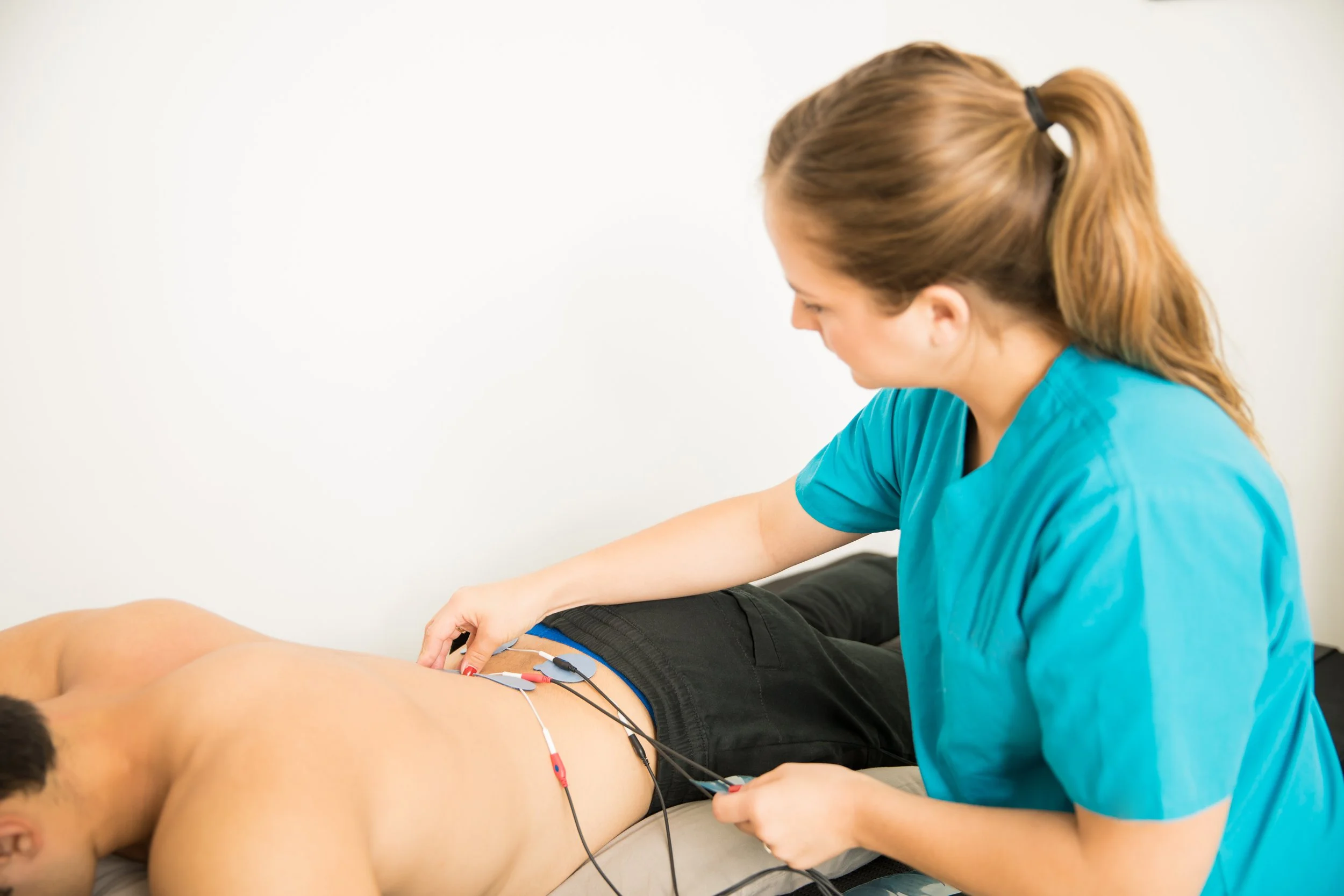
Spinal cord stimulation is a treatment method that uses a small implanted device to send mild electrical signals to the spinal cord. The device interrupts pain messages before they reach the brain, which alters how discomfort is perceived. A surgeon places the stimulator beneath the skin and connects thin wires, called leads, near the spinal cord. Patients who receive this implant follow a structured aftercare plan, and specific methods support healing and proper device function.
Surgery Recovery
After the spinal cord stimulation implant is placed, the body needs time to adapt to the new device and heal the incision sites. Mild swelling, tenderness, or bruising near the surgical area is common during the first few weeks. The medical team provides instructions on wound care, and most patients keep the dressing clean and dry until follow-up. Pain medication may be prescribed to manage discomfort during this early phase.
Recovery timelines differ from person to person, though many patients return to light routines within two to six weeks. The incision must stay protected, and signs of infection such as redness, warmth, or drainage call for prompt medical review. A follow-up appointment is usually scheduled to check the healing process and the position of the leads. Clear communication with the care team supports a smoother recovery.
Activity Restriction
Limiting movement protects the leads while tissue forms around the device and holds it in place. Bending, twisting, lifting heavy objects, and reaching overhead are restricted during the initial healing window. Light walking is often encouraged, since gentle motion supports circulation. When patients follow these limits, the surgical team confirms steady progress at follow-up visits.
Device Management
The spinal cord stimulator includes a handheld controller that adjusts the strength and pattern of stimulation. Patients learn to turn the device on or off, change settings, and recognize when the battery needs attention. Some systems use rechargeable batteries, while others rely on units that the medical team replaces during a minor procedure. Routine handling becomes more familiar as the patient gains experience with the controller.
Settings are programmed during clinic visits to match the level of relief reported by each patient. The care team records these adjustments, and patients review them at scheduled appointments. Records of pain levels and stimulation patterns help the team refine the program over time. Since alterations occur as needed, this ongoing process keeps the device aligned with changing needs.
Certain precautions apply to daily life with an implanted stimulator. Strong magnetic fields, security scanners, and some medical imaging machines can interfere with the device, so patients carry an identification card that lists the implant details. Before any new medical procedure, the patient informs the provider about the stimulator. Awareness of these factors reduces the risk of unintended interference.
Learn More About Spinal Cord Stimulation
Since this procedure involves a device implant, spinal cord stimulation recovery often takes time. Each stage follows guidance from the surgical and medical teams, and questions about symptoms and device function should be directed to medical professionals. Individuals with consistent back pain may benefit from this procedure. Contact a pain specialist to find out if you qualify for this procedure.