

An appointment with an osteoarthritis specialist lets you discuss joint symptoms, review treatment options, and set goals for daily function. Preparing questions in advance can help you understand your condition and take an active role in your care. Here are several questions to ask your osteoarthritis specialist:
How Are Joints Affected?
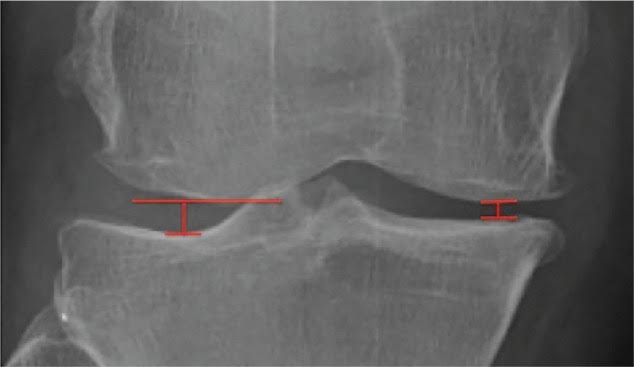
Start by asking your osteoarthritis specialist which joints show signs of osteoarthritis and how far the changes have progressed. Your doctor may use a physical exam, X-rays, or other imaging to answer this question. Some people have changes in one knee, and others notice changes in several joints at once. If you have hand symptoms, ask how the condition affects your grip strength, and request a clear explanation of what the findings mean for tasks.
It is also helpful to ask about the factors behind your symptoms. Body weight, past injuries, and joint alignment all play a role; your doctor can explain which ones apply to you. Ask whether your doctor needs to rule out other conditions, such as rheumatoid arthritis, before treatment begins.
Which Treatments Suit Me?
Osteoarthritis treatment varies from person to person. Your osteoarthritis specialist bases recommendations on your symptoms, activity level, and health history. Ask your doctor to explain any option you don’t understand. When you discuss treatments, ask for details on the expected benefits, risks, and time commitment of each one.
Nonsurgical Options
Most treatment plans begin with nonsurgical approaches. These include physical therapy, pain-relief medication, bracing, and injections, and each option serves a different purpose. If your current pain relief no longer works well, ask what alternatives exist and how long each one takes to show results.
Surgical Options
Doctors generally discuss surgery when other treatments no longer control symptoms. Options include joint repair and joint replacement. Ask about recovery time, and request details of the rehabilitation process. If surgery isn’t an option for you, ask what signs would make it one, and how you will track those signs.
Which Habits Support the Joints?
Daily habits play a key role in joint management. Your osteoarthritis specialist or physical therapist can suggest strategies that suit your specific joints. Here are some supportive habits your specialist may recommend:
- Exercise: Ask which low-impact activities, such as walking, swimming, or cycling, suit your joints.
- Strength training: Request specific exercises that build the muscles around your hips, knees, or hands.
- Weight management: Ask whether a weight goal applies to you and how body weight relates to joint load.
- Assistive devices: Ask about canes, raised toilet seats, or jar openers that make daily tasks easier.
- Flare-up plan: Request clear steps to follow when pain or swelling increases, such as rest, ice, or heat.
How Is Progress Monitored?
Osteoarthritis management requires regular follow-up. Ask how often you need appointments and which measures your osteoarthritis specialist tracks. These measures often include pain levels, range of motion, and your ability to complete daily tasks. Some doctors use questionnaires, and others rely on physical exams or imaging. If your symptoms change between visits, ask whom you should contact.
It is also helpful to ask what counts as meaningful progress. Clear goals give you and your doctor a shared reference point. If a treatment doesn’t meet these goals, ask what is next and how the plan will change.
Consult an Osteoarthritis Specialist Today
Managing osteoarthritis involves understanding your symptoms, setting clear treatment goals, and maintaining open communication with your healthcare provider about progress and next steps. Track changes in your condition and discuss them at each visit to keep your care plan effective and targeted. Lifestyle modifications can support joint health alongside medical treatments. Contact a qualified osteoarthritis specialist near you to schedule your consultation today.