

Your skin protects you every day, and it can benefit from consistent attention. Regular skin screenings offer a practical way to track changes over time and provide a clear record of your skin health. When you schedule professional checks, you gain reliable information about spots and marks that might otherwise go unnoticed. Here’s information about what these screenings involve, how often you should complete them, and their benefits, such as detecting skin cancer early:
Understanding Screening Basics
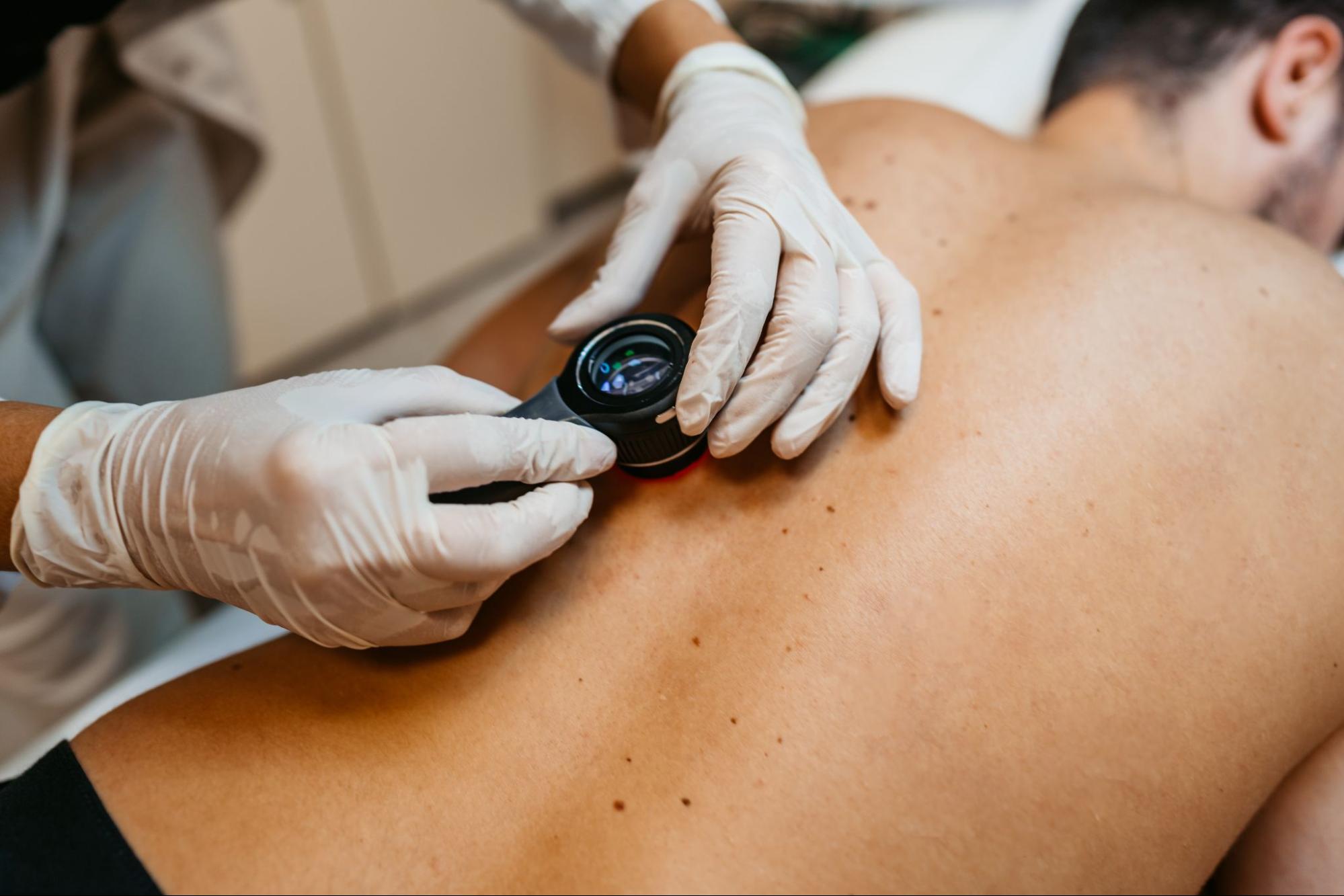
A skin screening is a visual examination that a dermatologist or trained provider performs from head to toe. The provider inspects areas that might get overlooked at home, including the scalp, the soles of your feet, and the skin behind your ears. Because the exam covers your whole body, it delivers a thorough assessment in just a few minutes. The process is relatively quick and non-invasive throughout. Providers sometimes use a dermatoscope, a handheld magnifier that reveals fine details in moles and marks. When something requires a closer look, the provider may recommend a small skin sample; this straightforward step helps guide their next decision.
Identifying Warning Signs
During a screening, dermatologists examine spots and moles that show unusual features. They may follow the “ABCDE” guide; this approach organizes the key traits to watch for, which include:
- Asymmetry: One half of the mole looks different from the other.
- Border: The spot’s edges appear uneven, ragged, or blurred.
- Color: The mole shows more than one color or an uneven shade.
- Diameter: The spot measures larger than a pencil eraser.
- Evolving: The mole changes in size, shape, or color over time.
Completing Regular Checks
Your ideal schedule depends on your personal risk factors; your provider can help you establish the right timing. Some people book a yearly professional check, though others need appointments more often. If you have a family history of skin cancer, numerous moles, or a record of significant sun exposure, your provider may advise more frequent visits. Talk openly with your dermatologist to help decide how often you should come in.
Consistent visits also build a record of your skin over time. When your provider examines you regularly, they’re able to compare current findings to earlier appointments; this comparison highlights small changes that are easy to miss at home. Because the record grows with each visit, it strengthens the value of every future check.
Recognizing Early Detection Value
Routine screenings help detect changes at an early stage, and they give providers more information to guide their next steps. When someone identifies a suspicious spot early, follow-up procedures are often simpler than they would be at a later stage. Benefits of regular skin cancer screenings can include:
- Detecting suspicious moles or skin changes before they become more serious.
- Encouraging increased awareness of your skin, making it easier to notice and report new or changing spots between appointments.
- Identifying other possible skin concerns, such as precancerous lesions or signs of common skin conditions that may benefit from further evaluation.
Schedule Your Skin Cancer Screening
Scheduling a skin cancer screening is a practical step toward maintaining your skin health, and it complements regular self-examinations at home. Because your skin changes over time, combining professional evaluations with consistent self-monitoring can help you recognize new or changing spots that warrant further assessment. This ongoing approach supports long-term skin health and encourages timely follow-up when needed. Contact a dermatologist to schedule a screening and discuss a screening frequency that aligns with your individual risk factors and health history.