

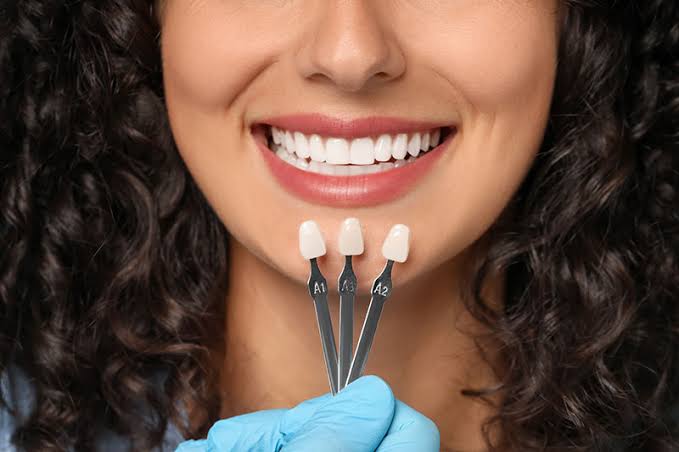
Understanding Whether Veneers Are Right for Your Needs
Veneers are thin coverings placed over the front surface of teeth to address concerns such as discoloration, minor chips, or uneven shape. Whether they are suitable may depend on oral health, cosmetic goals, tooth structure, and long-term care needs. Here are some factors to review when deciding whether veneers are right for your needs: Identify Cosmetic Concerns Start by naming the specific features you want to change. Veneers work well for surface-level cosmetic issues, and they can mask several concerns at once. When you define your goals clearly, your dentist can map a treatment plan that matches them. Here are

How To Improve Your Experience When Visiting the Dentist
Dentists diagnose and treat conditions of the teeth, gums, jaw, and mouth, and they typically complete four years of dental school after college. Many patients have concerns about their dental visit, even though they understand the purpose of routine care. Here are four practical steps for improving your experience at your next visit: Express Concerns Beforehand Share your concerns with the dental office before the day of your appointment. You may call the front desk, or you may note your concerns on the intake form. When the dentist knows your history, they can adjust the pace of treatment or plan
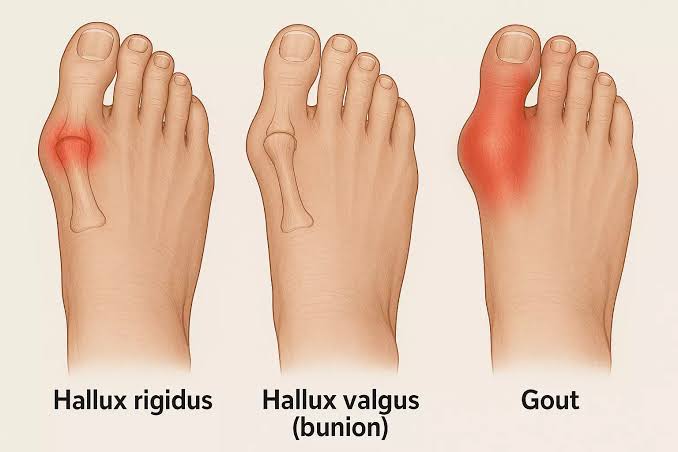
3 Changes To Prevent Recurrence of Bunions
When foot mechanics remain unresolved, or patients wear improper footwear and skip post-care routines, bunions may recur after treatment. Patients can lower this risk by wearing supportive shoes, using custom orthotics, and maintaining consistent follow-up care with a podiatrist; these three changes address the structural and behavioral factors that allow bunions to return. Here is more information on what bunions are, why they recur, and which three changes help reduce the risk: What Are Bunions? A bunion is a bony bump that forms at the base of the big toe. Bunions develop when the foot’s joint structure shifts, which causes

Benefits of Vitamin B12 Injections for Vegetarians and Vegans
Vitamin B12 is mainly found in animal-based foods, which can make it more difficult for vegetarians and vegans to maintain adequate levels through diet alone. For individuals with a confirmed deficiency or difficulty absorbing the vitamin, B12 injections may restore healthy levels. Here are some potential benefits of vitamin B12 injections for vegetarians and vegans: Addressing B12 Deficiency A deficiency develops gradually, and people often notice no signs early on. Vegetarians and vegans face a risk, and that risk grows when their diets exclude fortified foods or supplements. Blood tests measure your current levels, and a healthcare provider can interpret

What To Expect During the Process of Injectable Vitamin Therapy
Injectable vitamin therapy delivers vitamins, minerals, or amino acids through a quick injection or an IV drip. Because the nutrients bypass the digestive tract, they enter circulation without first being broken down in the stomach. This lets the body receive nutrients more directly and may help when oral absorption is limited. Here are some things to expect during the process of injectable vitamin therapy: Completing a Health Consultation Your first appointment begins with a health consultation. Doctors often ask about your medical history, current prescriptions, supplements, and any known allergies. Some vitamins interact with blood thinners or certain antibiotics, so

Vasectomy And Its Impact On Relationships
A vasectomy is a surgical option for permanent contraception. Some people weigh this decision carefully, and they often discuss it with a partner first. If you are discussing a vasectomy, you may wonder how it affects your relationship, so your provider outlines three practical areas to think through. Communication Before the Procedure Open conversations help both partners prepare for a vasectomy. You can share your reasons, and your partner will share theirs. A shared understanding supports a clear choice, and talking early gives you time to ask questions before you schedule anything. Discuss timing, future plans, and any concerns together.

Coping Strategies for Living With Arthritis
Arthritis refers to many conditions that cause joint pain, swelling, and stiffness, and it affects adults and their daily activities. Osteoarthritis wears down cartilage over time, and rheumatoid arthritis involves the immune system attacking joint tissue. Here are some strategies to address daily symptom management at home and with your care team: Wearing Splints and Braces Splints and braces support joints and limit painful movement. When a joint becomes inflamed, a splint holds it in a stable, resting position. Wrist splints help with hand arthritis, and knee braces shift weight away from damaged areas. Back braces offer added support for

Questions To Ask Your Doctor About Muscle Pain
Muscle pain is a broad topic, and a structured conversation with a specialist helps clarify both the source and the path forward. Doctors who specialize in this area may use physical exams, blood tests, and imaging studies to confirm a diagnosis. To help you leave a specialist appointment with clear, actionable information, prepare your questions in advance. Here are several things to ask your doctor about muscle pain: Ask About the Diagnosis A thorough diagnosis shapes every decision that follows, so make sure you understand how your muscle pain specialist approaches the diagnostic process. Start by asking what factors your
The General Surgeon’s Approach to Treating Hernias
Hernias are common issues; they occur when tissue or an organ pushes through a weak spot in the surrounding muscle or connective tissue. General surgeons use a structured approach to evaluate and treat these cases. To help you know what to expect, here are several key stages of the hernia treatment process: Evaluating the Hernia The hernia repair process starts with a thorough assessment. A general surgeon reviews your medical history, examines the affected area, and asks targeted questions about the hernia’s location and duration. This hands-on evaluation establishes a reliable baseline before taking further steps. When additional detail is needed,

Daily Habits That Can Help Reduce Neck Pain
Neck pain can develop from poor posture or repetitive movements during daily activities. Adjusting your posture, movement, and sleep habits may reduce strain and support better neck comfort. Here are some daily habits that can help reduce neck pain: Improving Daily Posture Posture influences the load placed on your neck throughout the day. When you slouch or push your head forward, the muscles work harder to hold your skull in place, and that strain can build into neck pain. Keep your ears aligned over your shoulders, and gently tuck your chin back so your head stays balanced. A quick posture