

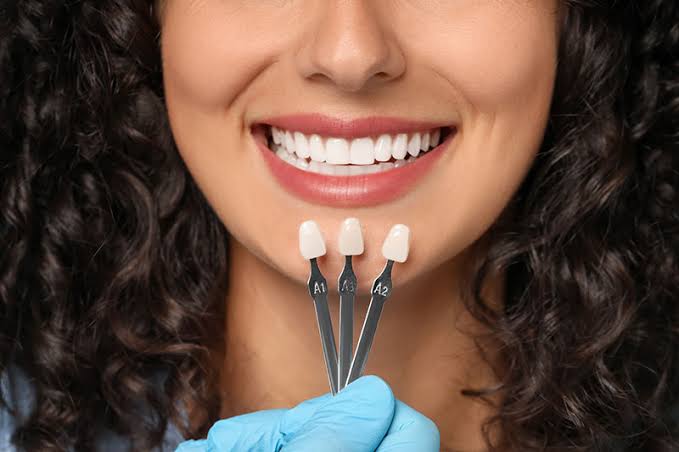
Veneers are thin coverings placed over the front surface of teeth to address concerns such as discoloration, minor chips, or uneven shape. Whether they are suitable may depend on oral health, cosmetic goals, tooth structure, and long-term care needs. Here are some factors to review when deciding whether veneers are right for your needs:
Identify Cosmetic Concerns
Start by naming the specific features you want to change. Veneers work well for surface-level cosmetic issues, and they can mask several concerns at once. When you define your goals clearly, your dentist can map a treatment plan that matches them. Here are some concerns they commonly address:
- Discoloration: They cover stains that whitening treatments cannot fully remove, and they maintain a consistent shade over time.
- Chips and cracks: They conceal minor damage on the front surface, which restores a smoother look.
- Gaps: They can close small spaces between teeth without orthodontic movement.
- Worn or uneven edges: Custom shaping evens out teeth that look short or irregular.
- Shape and symmetry: Veneers adjust proportions so your smile appears more balanced.
Check Your Oral Health
Your oral health affects whether veneers are a suitable option. They bond to healthy tooth structure, so your teeth and gums should be in stable condition first. A dentist examines your mouth, and this step clarifies what preparation you may need before treatment.
Address Active Issues First
Untreated decay or gum problems can affect how veneers bond and last. Your dentist generally resolves these concerns before placement, and this sequence supports a durable result. When your foundation is stable, veneers can rest on a reliable surface.
Review Habits That Affect Durability
Certain habits place stress on veneers, and teeth grinding is a common one. Your dentist may suggest a night guard to reduce pressure during sleep. When you share your habits openly, your treatment plan reflects them, and the outcome lasts longer.
Understand the Treatment Commitment
Veneers involve a process that spans more than one visit. Your dentist prepares the teeth, takes impressions, and places custom shells, and each stage follows a planned sequence. Knowing this timeline helps you plan around work and daily routines. The commitment also extends beyond the chair. They require regular brushing, flossing, and dental checkups to stay in good shape. When you maintain these routines, your veneers tend to perform as expected.
Compare Veneers With Alternatives
There are other treatments that address similar concerns as veneers, though each works differently and suits different situations. Teeth whitening targets discoloration alone, but it cannot fix chips, gaps, or shape. Bonding uses tooth-colored resin to repair minor flaws, but it may not last as long as veneers. Orthodontics shifts tooth position over time, which addresses spacing and alignment rather than color or surface texture. When you match these options to your goals, the right fit becomes clear, and your dentist can confirm your choice during a consultation.
Schedule Your Veneers Appointment Today
Veneers can correct discoloration, chips, gaps, worn edges, and uneven shapes, creating a more uniform smile. The right decision depends on your goals, your oral health, your readiness for the treatment commitment, and how it compares with alternatives. Your dentist can examine your teeth, discuss your concerns, and outline the steps involved. Contact a qualified dentist near you to schedule your veneers appointment today.