

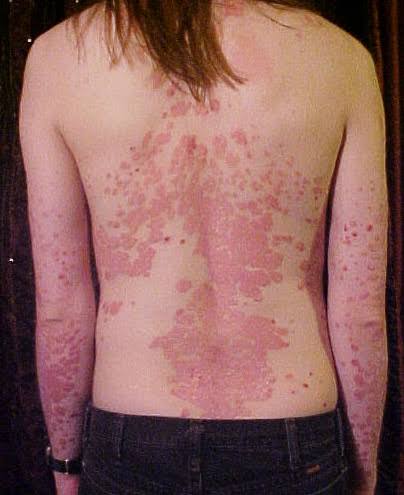
Skin allergies may cause itching, redness, swelling, and inflammation following exposure to certain substances. Treatment options include moisturizers, antihistamines, and topical medications, while avoiding identified allergens forms another part of symptom management. Because persistent or severe reactions might require further evaluation, an allergy specialist can perform testing and discuss individualized treatment options. Here is more information about treatmetns for skin allergy symptoms:
Identifying Skin Allergy Symptoms
Skin allergies may produce itching, redness, swelling, or rashes, depending on the underlying trigger. Hives appear as raised, itchy welts, while contact dermatitis often develops where the skin encounters certain substances. Common triggers include fragrances, detergents, and metals found in jewelry or clothing accessories. Because reactions vary between individuals, symptoms might develop shortly after exposure or appear later.
Some skin reactions involve swelling around the eyes, lips, or face. Eczema can cause dry, scaly, or irritated patches, and certain allergens might contribute to symptom flare-ups. Tracking symptom patterns and possible exposures provides information for identifying potential triggers. When swelling affects breathing or swallowing, immediate emergency medical attention is necessary.
Avoiding Common Allergy Triggers
Skin allergy triggers vary between individuals and may include substances encountered through everyday activities. Nickel in jewelry, fragrances in personal care products, and latex are possible causes of allergic skin reactions. Certain foods might also trigger skin symptoms, while allergy testing provides information about suspected allergens. Common triggers include:
- Encountering nickel in jewelry and clothing accessories
- Using fragranced soaps, lotions, or detergents
- Handling latex gloves or other latex products
- Eating shellfish, peanuts, or tree nuts
- Consuming dairy products or eggs
- Reacting to certain food additives
Avoiding identified allergens forms part of managing recurring skin reactions. Fragrance-free products and nickel-free accessories may limit exposure, while ingredient labels provide information about potential allergens. Because individual sensitivities differ, an allergy specialist can review symptoms and recommend appropriate testing or management strategies.
Soothing Skin Allergy Reactions
Mild skin allergy reactions may involve itching, redness, or localized swelling. Cool compresses can provide temporary relief, while avoiding suspected allergens limits additional exposure. Because skin reactions vary, home care approaches depend on the symptoms and affected areas.
Colloidal oatmeal baths offer another option for managing irritated skin. Fragrance-free moisturizers help maintain skin hydration, and applying them after bathing may address dryness. Patients should use gentle skin care products when managing sensitive or inflamed areas.
Scratching irritated skin can cause additional discomfort and damage the skin barrier. Keeping fingernails trimmed and wearing loose clothing is able to limit friction, while gentle cleansing forms part of routine skin care. If symptoms persist or worsen, an allergy specialist can evaluate possible triggers and discuss appropriate treatment options.
Treating Symptoms With Medication
Medication options for skin allergies depend on the symptoms, severity, and underlying cause. Over-the-counter treatments may address mild reactions, while persistent symptoms might require prescription medication. Common approaches include:
- Using oral antihistamines: These medications block histamine activity and may address itching or hives associated with allergic reactions.
- Applying topical corticosteroids: These creams address localized inflammation, including certain symptoms associated with contact dermatitis or eczema.
- Applying calamine lotion: This topical product provides temporary relief from mild itching and irritation associated with certain skin reactions.
- Using prescription topical medications: Healthcare providers may recommend stronger corticosteroids or other topical treatments for selected inflammatory skin conditions.
- Taking prescribed oral medications: Certain reactions require additional treatment, and medication selection depends on the diagnosis and individual medical needs.
Because skin conditions sometimes produce similar symptoms, a healthcare provider can evaluate the reaction before recommending stronger medications.
Schedule an Allergy Consultation
Skin allergies may cause itching, redness, swelling, or recurring irritation following exposure to certain substances. Avoiding identified triggers and using appropriate medications can address symptoms, while allergy testing provides information about possible causes. Because skin reactions vary between individuals, an allergy specialist are able to recommend treatment based on symptoms and evaluation findings. Schedule an allergy consultation today to discuss your skin concerns and available treatment options with a specialist.