

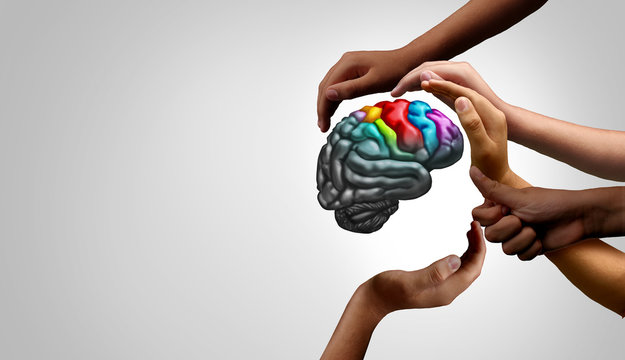
Mental health is just as important as physical health. In today’s busy world, many people feel stressed, anxious, or tired because of work, studies, family responsibilities, and constant digital distractions. The good news is that improving your mental health does not always require big changes. Small daily habits can make a powerful difference in how you feel, think, and live.
By practicing simple habits every day, you can reduce stress, improve your mood, and create a happier life. These habits help your mind stay calm, focused, and positive. In this article, we will explore simple daily habits that can improve mental health and increase happiness in your everyday life.
1. Start Your Day with Gratitude
One of the easiest ways to improve mental health is by practicing gratitude. Gratitude means appreciating the good things in your life. When you wake up in the morning, take a few minutes to think about three things you are thankful for. These could be simple things like your family, your health, or even a beautiful sunrise.
Practicing gratitude helps shift your focus from problems to positive moments. Over time, this habit trains your brain to notice more good things in your life. People who practice gratitude regularly often feel more satisfied and happier.
You can also keep a gratitude journal. Every day, write down a few things that made you feel thankful. This simple activity helps you start the day with a positive mindset.
2. Get Enough Quality Sleep
Sleep plays a major role in mental health. When you do not sleep well, you may feel irritated, stressed, or unable to focus. Lack of sleep can also increase anxiety and negative thinking.
Adults usually need around 7 to 9 hours of sleep each night. Try to maintain a consistent sleep schedule by going to bed and waking up at the same time every day. Avoid using phones or computers right before bedtime because the blue light from screens can disturb your sleep.
Creating a relaxing bedtime routine can also help. You can read a book, listen to calm music, or practice deep breathing before going to sleep. Good sleep gives your brain time to rest and recharge, which helps you feel happier and more energetic.
3. Exercise Regularly
Physical activity is not only good for your body but also for your mind. Exercise releases chemicals in the brain called endorphins, which are often known as “feel-good hormones.” These chemicals help reduce stress and improve mood.
You do not need to spend hours at the gym. Even 20 to 30 minutes of daily exercise can make a difference. Walking, jogging, cycling, dancing, or yoga are all great options.
Regular exercise can also improve self-confidence, reduce anxiety, and help you sleep better. When your body feels strong and active, your mind becomes more positive and balanced.
4. Eat Healthy and Balanced Meals
The food you eat has a direct impact on your mental health. A balanced diet provides the nutrients your brain needs to function properly. Foods rich in vitamins, minerals, and healthy fats can support brain health and improve mood.
Try to include fruits, vegetables, whole grains, nuts, and lean proteins in your daily meals. Drinking enough water is also important because dehydration can affect concentration and energy levels.
It is also helpful to limit sugary snacks, processed foods, and excessive caffeine. While these may give a temporary energy boost, they can later cause mood swings or tiredness.
Eating healthy foods regularly helps your brain stay stable and improves overall mental well-being.
5. Practice Mindfulness or Meditation
Mindfulness means paying attention to the present moment without worrying about the past or future. Many people spend their time thinking about problems or regrets, which can create stress.
Meditation and mindfulness exercises help calm the mind and reduce anxiety. Even just 5 to 10 minutes of daily meditation can improve mental clarity and emotional control.
To practice mindfulness, find a quiet place and focus on your breathing. Take slow, deep breaths and notice how your body feels. If your mind starts to wander, gently bring your attention back to your breathing.
Over time, mindfulness helps you become more aware of your thoughts and emotions, allowing you to respond to challenges in a calm and balanced way.
6. Limit Social Media and Screen Time
Technology connects us to the world, but too much screen time can harm mental health. Constantly scrolling through social media can make people compare their lives with others, which sometimes leads to feelings of jealousy, sadness, or low self-esteem.
Try to set limits on how much time you spend on your phone or computer each day. Take breaks from social media and focus on real-life activities such as reading, walking, or spending time with loved ones.
Reducing screen time can help you feel more relaxed and present in your daily life.
7. Stay Connected with Family and Friends
Humans are social beings, and healthy relationships are important for happiness. Spending time with family and friends can provide emotional support and reduce feelings of loneliness.
Talking to someone you trust about your feelings can help you release stress and gain new perspectives. Simple activities like sharing a meal, having a conversation, or going for a walk together can strengthen relationships.
Even a short phone call or message to check on someone can improve your mood and make you feel connected.
8. Do Something You Enjoy Every Day
Life should not only be about work and responsibilities. Taking time for hobbies and enjoyable activities is essential for mental health.
Think about activities that make you feel happy or relaxed. These could include reading, drawing, gardening, cooking, playing music, or watching your favorite show.
Doing something you love gives your mind a break from stress and helps you feel more fulfilled. It reminds you that happiness can come from small, simple moments.
9. Set Small Daily Goals
Having goals gives life direction and purpose. However, very big goals can sometimes feel overwhelming. Instead, focus on small daily goals that are easy to achieve.
For example, you can set a goal to complete a task at work, read a few pages of a book, or exercise for 20 minutes. When you accomplish these goals, your brain releases dopamine, which creates a feeling of achievement and satisfaction.
Over time, these small achievements build confidence and motivation.
10. Practice Self-Compassion
Many people are very hard on themselves when they make mistakes. Negative self-talk can damage mental health and reduce happiness.
Self-compassion means treating yourself with kindness and understanding. Remember that everyone makes mistakes and experiences difficult moments.
Instead of criticizing yourself, try to learn from the situation and move forward. Speak to yourself the way you would speak to a good friend.
Being gentle with yourself helps build emotional strength and inner peace.
Conclusion
Mental health and happiness are not things that happen by chance. They are built through daily habits and mindful choices. By practicing gratitude, exercising, eating healthy foods, getting enough sleep, and staying connected with others, you can create a more balanced and positive life.
These habits may seem simple, but when practiced consistently, they can transform the way you think and feel. Remember that improving mental health is a journey, not a race. Start with small steps, stay patient with yourself, and celebrate every positive change you make.
A happier and healthier mind begins with the small actions you take every day.
FAQs
1. Why are daily habits important for mental health?
Daily habits shape how we think, feel, and behave. Positive habits such as exercise, good sleep, and mindfulness can reduce stress and improve emotional well-being.
2. How long does it take to improve mental health with daily habits?
It depends on the person, but many people start noticing positive changes within a few weeks of consistently practicing healthy habits.
3. Can exercise really improve happiness?
Yes, exercise releases endorphins, which are chemicals in the brain that help improve mood and reduce stress.
4. What is the easiest habit to start for better mental health?
Practicing gratitude is one of the easiest habits. Simply thinking about or writing down things you are thankful for each day can improve your mindset.
5. Is meditation necessary for good mental health?
Meditation is not required, but it is very helpful. Even a few minutes of mindfulness each day can reduce anxiety and help calm the mind.