

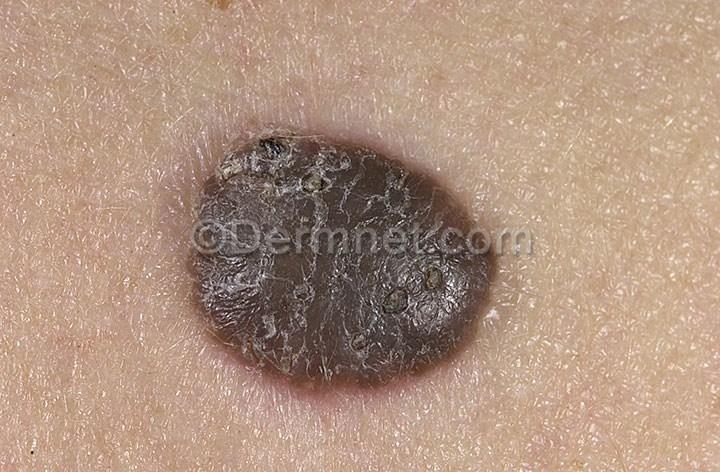
Seborrheic keratosis is a common, noncancerous skin growth that becomes more common with age. Although these growths are generally harmless, some become irritated, and patients may choose removal when they cause discomfort. Providers evaluate the growth first; then removal options are able to include freezing or shaving, depending on the individual growth. Here is more information about exploring treatment options for Seborrheic Keratosis:
Understanding Seborrheic Keratosis Growths
Seborrheic keratoses are noncancerous skin growths that often develop gradually and become more common with age. These growths are able to appear tan, brown, or black, while their surfaces can look waxy, scaly, or slightly raised. Although they are generally harmless, an evaluation helps distinguish them from other growths with similar appearances.
Several factors may be associated with the development of seborrheic keratoses, and some people develop multiple growths over time. Family history is able to play a role, although the exact cause of these growths remains unclear. A dermatology provider is able to examine changing or unusual growths and determine whether additional evaluation is appropriate.
Removing Growths Through Cryotherapy
Cryotherapy uses liquid nitrogen to freeze seborrheic keratosis growths. The treatment targets the affected tissue while limiting disruption to the surrounding skin. Providers are able to use this approach for smaller or thinner growths.
During treatment, a provider applies liquid nitrogen directly to the growth. The treated area may blister or form a crust afterward, and the growth gradually falls away. Because individual growths vary, treatment responses and healing times differ between patients.
Cryotherapy is performed in a dermatology setting and generally requires little preparation. Patients receive instructions for caring for the treated area while the skin heals. A provider can evaluate the growth and determine whether cryotherapy fits its size, thickness, and location.
Scraping Away Growths With Curettage
Curettage removes a seborrheic keratosis by scraping the growth from the skin with a specialized instrument. A provider may numb the treatment area beforehand, and the approach helps to address raised or thicker growths. Treatment and recovery vary by the growth, so providers can explain what patients are able to expect during the healing process.
- Numbing the treatment area
- Scraping away the growth
- Caring for the treated skin
Burning Growths Via Electrodessication
Electrodessication uses a controlled electrical current to treat seborrheic keratosis by targeting the growth’s tissue. Providers may combine this method with curettage, which removes raised tissue before or after electrodessication. Because treatment depends on the growth and its location, providers can explain the procedure and expected healing process beforehand.
Lifting Growths Through Shave Removal
Shave removal uses a surgical blade to remove a seborrheic keratosis from the skin’s surface. Providers will sometimes use this approach for growths that are raised or extend above the surrounding skin. A local anesthetic are able to numb the treatment area before the procedure begins.
During the procedure, the provider carefully shaves the growth from the surrounding skin. The removed tissue may also be sent for further examination when additional evaluation is appropriate. Afterward, patients receive instructions for caring for the area while the skin heals.
Schedule Your Skin Evaluation Today
Seborrheic keratoses are generally noncancerous, but patients are able to choose removal when a growth causes irritation or cosmetic concerns. Since growths vary in size, thickness, and location, a dermatology provider can examine the area before discussing treatment options. Removal methods vary, and the evaluation helps determine which approach may fit the individual growth. Schedule a skin evaluation today to discuss seborrheic keratosis removal options with a dermatology provider.