

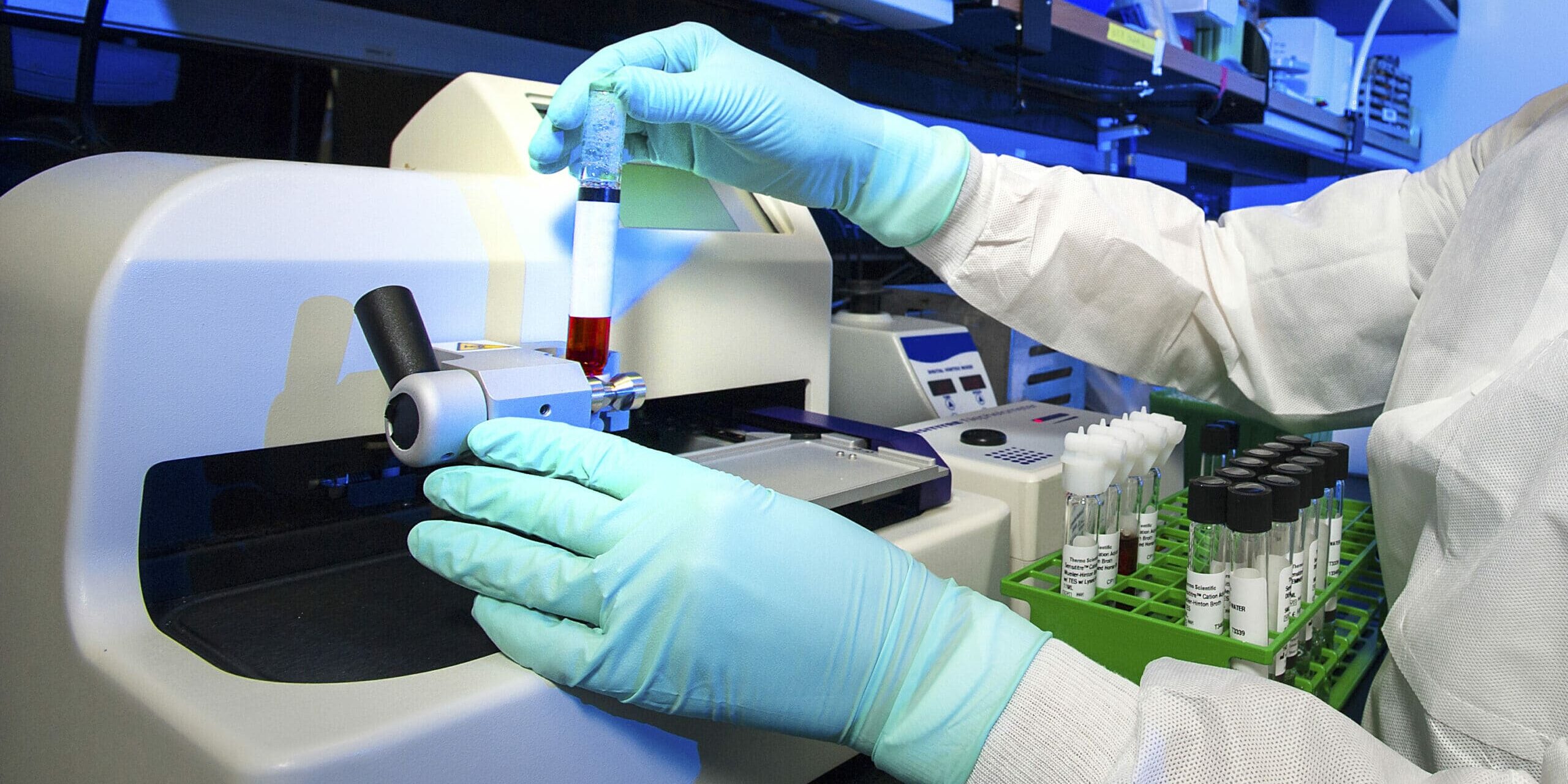
Lab work plays a significant role in identifying health conditions and guiding treatment decisions. Blood tests, urinalysis, and other diagnostic screenings give providers data about what is happening inside the body. For urgent care patients, this information separates a general guess from a targeted treatment plan, and it helps providers act when time is limited. Although a physical examination is valuable, objective test results provide a strong basis for clinical decisions. Here is more information on what lab work involves and how the testing process functions:
What Is Lab Work?
Lab work refers to diagnostic testing performed on bodily samples such as blood, urine, saliva, or tissue. Technicians analyze these samples to detect markers tied to infection, organ function, nutrient levels, and other health indicators. Each test serves a distinct purpose. Some detect pathogens directly, while others measure substances in the blood that signal how organs are functioning. Providers choose tests based on reported symptoms, physical exam findings, and patient history, and they may adjust the selection as new information emerges during the visit.
How Does It Work?
The lab testing process follows three main stages, each designed to produce accurate and reliable results.
- Sample collection: A healthcare professional draws blood, collects a urine sample, or swabs the throat or nasal passage, depending on the test.
- Laboratory analysis: Samples go to a lab for testing.
- Result comparison: Results are compared against standard reference ranges.
Providers interpret these values alongside the patient’s reported symptoms and medical history.
How Are Diagnoses Made?
Diagnosis combines lab results with clinical observation. A provider reviews test findings alongside symptoms, physical exam results, and patient-reported history; this review prevents any single data source from driving the conclusion. Lab results also rule out conditions that share similar symptoms. Blood tests measuring iron levels, thyroid hormones, and infection markers narrow down which explanation fits the patient’s presentation, although the provider still weighs those results against the physical exam.
Diagnostic accuracy may improve when multiple data points align; a single abnormal result rarely confirms a diagnosis. Providers look for patterns across several markers and combine them with physical findings before they reach a conclusion. This layered approach helps reduce the chance of misdiagnosis. It also supports more precise treatment decisions.
How Is Treatment Planned?
Treatment planning follows from diagnostic findings. Once a provider identifies the underlying cause of a patient’s symptoms, lab data helps determine the most appropriate intervention, and the choice of intervention depends on the specific condition. A confirmed bacterial infection calls for a specific antibiotic that is chosen based on the identified pathogen and its known sensitivities.
Lab results also guide medication dosing and monitoring. Kidney and liver function tests influence how certain medications are dosed because impaired organ function changes how the body processes drugs. Follow-up testing then tracks whether treatment is working as expected, and providers can adjust the plan if the results indicate a need. Monitoring continues throughout treatment.
Lab findings shape broader recommendations; these may include dietary changes, activity restrictions, or referrals. A patient with abnormal blood sugar levels benefits from dietary guidance. The provider may refer the patient for further endocrine evaluation. This connected approach, from testing to diagnosis to treatment, keeps care aligned with what is happening in the body rather than relying on symptoms alone.
Visit Urgent Care Now
Lab work provides the data that anchors accurate diagnosis and effective treatment. From initial sample collection through result interpretation and treatment planning, each stage builds on the last, and they help resolve health concerns. If symptoms are affecting your daily routine, visit urgent care.