

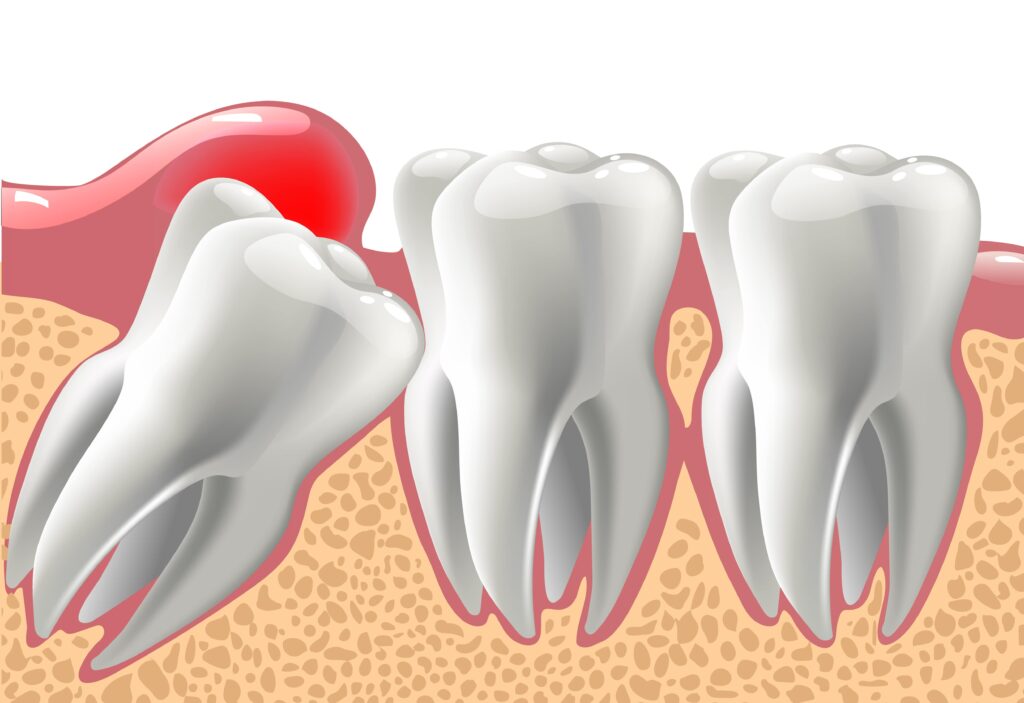
Dentists recommend tooth extractions when a tooth is severely damaged, infected, overcrowded, or likely to cause further oral health problems. Removing the affected tooth can relieve discomfort and support the health of surrounding teeth and gums. Here is more information on how tooth extractions can lead to better oral health outcomes:
Removes Sources of Infection
A damaged or infected tooth can spread bacteria to nearby tissue. When a tooth is beyond repair, removing it eliminates a persistent source of infection, so the surrounding area has a chance to recover. Dentists often review tooth extractions against other options, but they may choose removal when the infection threatens your broader oral health. Advanced gum disease frequently loosens teeth and creates pockets where bacteria thrive. Pulling the affected tooth can reduce the bacterial load, and this step supports gum health.
Protects Surrounding Teeth
One failing tooth can affect surrounding teeth, and that ripple effect is a key reason dentists act promptly. An infected or crowded tooth may push against adjacent teeth, shift your bite, or spread decay. Removing it helps safeguard the teeth you want to keep. The following points explain how tooth extractions can protect the rest of your smile:
- Stops decay from spreading: A decaying tooth can spread bacteria to nearby teeth, so removal limits that risk.
- Relieves crowding: When teeth compete for space, extraction creates room to help alignment.
- Reduces pressure on the bite: A problem tooth may strain surrounding teeth, but removal eases that stress.
- Prepares the gums: Clearing a troubled tooth gives the gum tissue a clean foundation to heal.
Supports Future Dental Treatment
Extractions often serve as the first step in a broader care plan; this may include implants, bridges, or full-mouth restoration. Removing a compromised tooth creates a stable base, so future work has a better chance of success.
Preparing for Dental Implants
Dental implants need healthy bone and tissue to anchor securely. An extraction clears the way, and in some cases the surgeon places a bone graft to strengthen the site. This preparation helps the implant integrate, and it supports a durable result.
Planning Full-Mouth Restoration
Full-mouth restoration addresses several teeth at once, so a clear starting point matters. Extractions remove teeth that cannot be saved, allowing the restoration to proceed using a solid foundation. Your care team maps each step, and the sequence often begins with targeted removals.
Promotes Long-Term Oral Health
Keeping a failing tooth can create ongoing problems, while removing it often simplifies your daily care. An extraction often reduces pain, lowers infection risk, and makes brushing and flossing easier. These changes may support healthier habits over time. Long-term success also depends on what happens after the procedure. Follow your dentist’s aftercare guidance to support proper healing. Regular checkups help you monitor the area, so small issues do not worsen.
Schedule Your Tooth Extractions Today
Tooth extractions play a significant role in maintaining overall oral health and preventing more complex dental issues. You can reduce pain, prevent complications, and lay the groundwork for long-term oral stability by addressing problematic teeth promptly. Proper aftercare further supports effective healing and long-term dental health. Contact a qualified periodontist near you to schedule your tooth extractions today.