

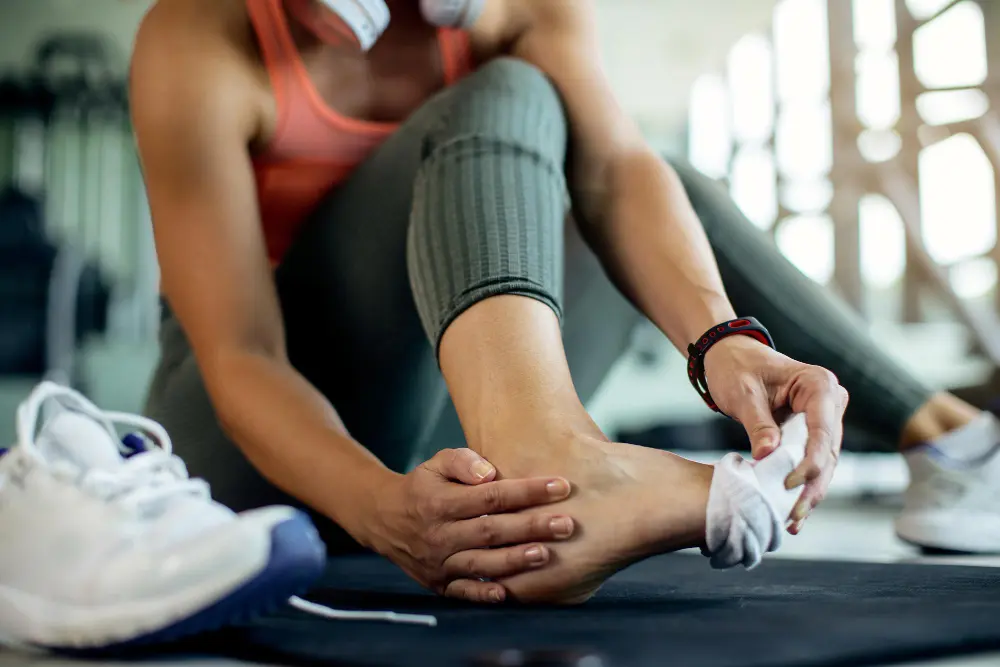
A sports injury can affect an individual’s mobility, physical performance, and ability to participate in regular activities. Rehabilitation plays a key role in recovery by helping individuals restore strength and regain normal movement. Here are some rehabilitation techniques commonly used to manage sports injuries:
Managing Pain and Inflammation
The first phase of rehabilitation focuses on calming the injured area. Swelling and tenderness often restrict movement during the first days or weeks after a sports injury. When discomfort stays controlled, you can begin gentle exercise. Here are some of the methods providers use during this phase:
- Rest and activity modification: Reducing or adjusting training gives irritated tissue time to settle.
- Cold and heat therapy: Ice is common for recent injuries, while heat is often applied to stiff or chronically sore areas.
- Compression and elevation: These methods are commonly used to manage swelling in the arms and legs.
- Shockwave therapy: This noninvasive treatment delivers acoustic pressure waves to the affected tissue, and providers often use it for chronic tendon and soft tissue conditions.
- Regenerative medicine approaches: Some clinics offer options designed to support the body’s natural repair processes.
Restoring Flexibility and Mobility
Range of motion describes the full distance a joint travels in each direction. Injured tissue tends to tighten as it heals, reducing this distance. Restoring movement after a sports injury is a fundamental step, and it prepares the body for strength work.
Targeted Stretching and Mobility Exercises
Stretching programs begin with gentle, pain-free movements. Static stretches hold a position for a few seconds, while dynamic stretches move a joint through its range in a controlled way. You progress as tolerance improves, and the provider adjusts the routine at each visit.
Manual Therapy
Manual therapy refers to hands-on techniques that a provider performs. These include soft tissue massage, joint mobilization, and assisted stretching. The goal is to reduce stiffness so that exercises become easier to complete.
Rebuilding Muscle Strength and Stability
Muscles around an injured area weaken during periods of rest. Strength training rebuilds this capacity, and it gives joints better support during sports. Programs often start with isometric exercises, which involve tightening a muscle without moving the joint. As control improves, you can advance to resistance bands, bodyweight movements, and free weights.
Stability refers to the ability to control a joint during movement. Core, hip, and shoulder muscles play a key role in this control. Providers track progress with strength tests, and they gradually increase the load.
Improving Balance and Preventing Reinjury
Balance training teaches the body to sense joint position and react to changes in surface or direction after a sports injury. This awareness is called proprioception, and it often declines after ankle and knee injuries. Exercises progress from single-leg stance to foam pads, wobble boards, and sport-specific drills. When these skills return, you move with more control during cutting, jumping, and landing.
The final phase prepares you for full activity. Providers use functional tests, such as hopping or agility drills, to judge readiness. Returning before meeting these benchmarks increases the chance of reinjury, so plans often include clear milestones.
Schedule Your Sports Injury Appointment
Recovering from a sports injury requires a structured approach that progresses through phases of pain management, strength rebuilding, and sport-specific training. Following a personalized plan reduces reinjury risk and supports a safe return to activity. Functional tests and gradual milestones make sure that your recovery matches your physical capabilities, preventing premature strain. Contact a qualified healthcare provider near you to schedule your sports injury appointment.