

Skin cancer treatment continues after your procedure is complete. Follow-up appointments are a key part of your care. Your provider checks the treated area, and they also examine the rest of your skin. Since your provider tracks your progress, you can ask questions that come up after treatment.
Evaluating Your Treatment Progress
Each skin cancer treatment requires a different type of follow-up. After surgical excision or Mohs micrographic surgery, your provider checks the wound for proper healing. They examine the wound edges, and they will confirm that tissue around the removal site looks healthy. The treated area will scab, and your provider will check that it is healing without complications.
Infection can appear days after a procedure, so your provider looks for redness, swelling, or drainage. If the wound heals slowly, your provider may adjust your care, and you will receive new wound instructions. Your provider will also ask about pain or sensitivity at the site. They can recommend steps to manage discomfort.
Keeping scheduled visits helps your provider catch healing problems early, and it gives you a chance to raise concerns. Some treatments work over several weeks. They look for skin reactions between sessions while adjusting the treatment area if needed. Your provider also monitors the surrounding skin, and they note any changes in color or texture.
Detecting Signs of Recurrence
Your provider examines the treatment site at each visit while comparing it to past exam notes. When a recurrence is found early, treatment options may be simpler, and the affected area is sometimes smaller. A spot that looks different from your last visit will sometimes need a closer look, and your provider will decide if a biopsy is needed. Some recurrences develop slowly. Consistent follow-up visits help your provider notice gradual changes. If you see a change between visits, do not wait for your next scheduled appointment. Contact your provider right away, and describe what you noticed as clearly as you can. Early contact gives your provider the information they need to act. If your provider notices a change, they may order a biopsy, and the results guide your next steps.
Monitoring Your Skin Health
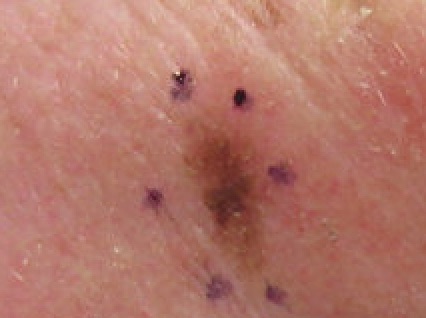
Your provider looks for spots that are new or changing, and they may photograph spots that need monitoring. These photos create a visual record, and your provider compares them at each visit to track differences. Some spots will stay the same for years, while others change quickly. Consistent documentation helps your provider identify patterns. If your provider finds a spot that concerns them, they will recommend a biopsy at that visit, or they may ask you to return sooner for a follow-up look.
Since your provider explains their reasoning, you leave the visit knowing what to watch for next. Your provider can also teach you how to check your own skin. Self-checks help you stay aware of changes between visits, and they give your provider useful information. Note any spots that look asymmetrical, jagged, or multicolored.
Schedule a Skin Cancer Follow-Up
Follow-up appointments help your provider monitor your treated skin, and they will screen for new concerns. Your provider sets a schedule based on your diagnosis, and this schedule may change over time. Each visit gives your care team information. While you can call your provider if your next visit is not scheduled, contact them sooner if you notice changes.