

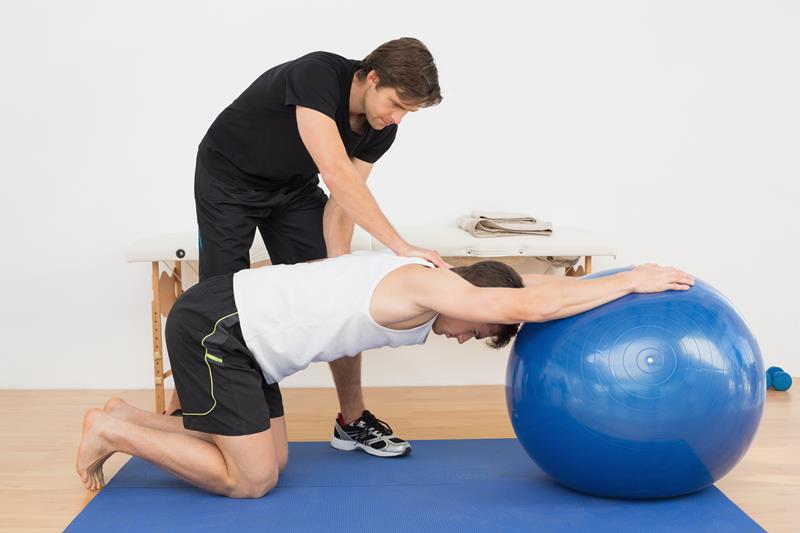
Many back injuries and conditions can benefit from physical therapy, including herniated discs, muscle strains, sciatica, and degenerative disc disease. Physical therapists evaluate how an injury affects an individual’s movement and daily function, then develop a structured plan based on those findings. Physical therapy is often a key part of a back injury treatment plan. Physicians may recommend it alongside rest, medication, or other conservative treatments. Here’s more information on physical therapy plans for back injuries:
Focus on Core-Strengthening Exercises
When core muscles are weak, the spine may absorb more stress during everyday movements. The core includes the abdominal, pelvic, hip, and lower back muscles that support the spine. A physical therapist guides patients through exercises that build strength in these muscle groups. Some common exercises a therapist may recommend for back injuries include:
- Pelvic Tilts
- Bird Dogs
- Bridges
- Modified Planks
Each exercise is introduced at a level that matches a patient’s current ability. Patients also learn home exercises to practice between appointments. Guided exercises support long-term strength gains, and improved core stability helps reduce pain over time. For patients managing multiple back injuries, a physical therapist can sequence exercises to address each affected area without overloading the spine. The therapist tracks progress at each session, which helps them adjust repetitions, resistance, or difficulty as strength improves.
Get Customized Flexibility Training Sessions
Back injuries can significantly limit someone’s range of motion, but flexibility training aims to restore movement gradually and safely. Each flexibility program starts with an evaluation where the therapist measures range of motion in the spine, hips, and legs. They also observe posture and identify movements that cause discomfort. These findings help determine which stretches are appropriate and which to avoid. A patient recovering from a disc injury may need a different approach than a patient with a muscle strain.
Physical therapy flexibility sessions may focus on hamstring stretches, knee-to-chest stretches, cat-cow movements, and hip flexor stretches. Some therapists also use manual therapy techniques to support joint and soft tissue mobility. Stretches start gently, then gradually increase in intensity. Customized sessions account for each individual’s injury, age, and activity level. This personalized approach helps people avoid movements that may aggravate their condition.
Learn Proper Lifting Mechanics
Improper lifting commonly causes back injuries; it can also contribute to re-injury during recovery. Physical therapists teach body mechanics that help distribute weight more evenly during daily tasks. Key techniques include bending at the hips and knees instead of the waist, with feet about shoulder-width apart. Therapists often simulate work or home tasks, such as lifting boxes, carrying groceries, or picking up a child.
Reduce Pain From Back Injuries
Physical therapy after a back injury combines core strengthening, flexibility training, and lifting education. Each component addresses a different factor that contributes to back pain, forming a structured approach to recovery. To find an orthopedic pain management specialist, ask your primary care physician for a referral. You can also search directories from professional organizations such as the American Academy of Orthopaedic Surgeons or the American Academy of Physical Medicine and Rehabilitation. Many hospitals and orthopedic practices list their pain management specialists online, so you can compare credentials and locations before scheduling a visit.