

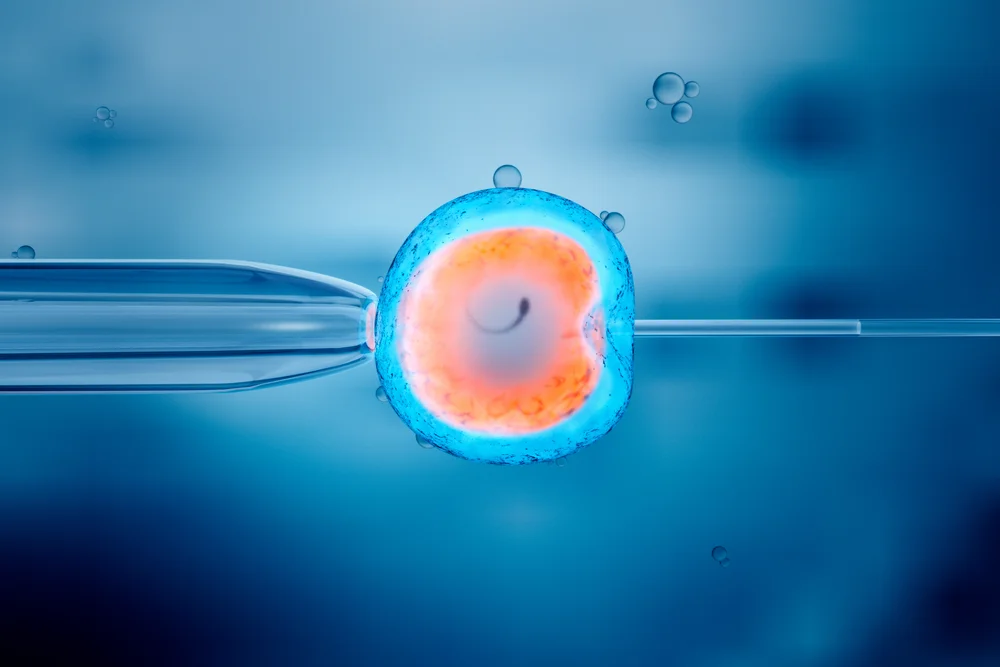
Fertility services help people understand, protect, and use their reproductive health. Options range from basic hormone testing to laboratory procedures, and these include in vitro fertilization (IVF) and egg freezing. By offering different reproductive options, these services give individuals and couples more control over when and how they build their families. Here are some ways fertility services impact family planning:
Offers Fertility Preservation
Fertility preservation means storing eggs, sperm, embryos, or reproductive tissue for possible future use. People choose fertility preservation for many reasons, including when upcoming medical treatment may affect their ability to have children later. Fertility specialists explain the available preservation methods, and patients can choose an approach based on their family-planning goals.
Egg freezing starts with about 10 to 12 days of hormone injections. These medications stimulate the ovaries to mature several eggs at once. A doctor then retrieves the eggs during a short outpatient procedure under sedation, and the lab freezes them through vitrification. This rapid-cooling method limits ice crystal damage. Embryo freezing follows a similar process with one added step. The lab fertilizes the retrieved eggs with sperm before freezing, so you need a partner’s or donor’s sperm at the time of retrieval.
Sperm banking involves fewer steps. You provide a semen sample, and the lab analyzes it, divides it into vials, and stores it in liquid nitrogen. Some people bank several samples before chemotherapy or surgery that may affect sperm production. Ovarian and testicular tissue freezing are newer options. Clinics sometimes offer them to children or adults who need urgent treatment and do not have time for hormone stimulation.
Provides Personalized Care
Fertility care should be tailored to your needs, offering options and support that align with your goals and circumstances. Fertility services often begin with testing. Common tests include:
- AMH blood test: Estimates ovarian reserve
- Transvaginal ultrasound: Counts antral follicles in the ovaries
- Semen analysis: Measures sperm count, movement, and shape
- Hysterosalpingogram: Checks whether the fallopian tubes are open
Providers use these results to build a treatment plan. One patient may start with ovulation tracking and oral medication, while another moves directly to IVF because of blocked tubes. Medication doses and monitoring schedules shift based on how each person responds. Your medical history, past pregnancy details, and current medication also give your care team a fuller picture from the start.
Increases Conception Paths
Fertility treatment can include a variety of approaches depending on current health or existing medical conditions. Several conception options exist, and each one suits different situations. They include:
- Ovulation induction: Oral or injectable fertility medications help the ovaries mature and release eggs. Treatment may be used alone, with timed intercourse, or alongside other fertility procedures.
- Intrauterine insemination (IUI): A provider places prepared sperm directly into the uterus around ovulation to help sperm reach the fallopian tubes.
- In vitro fertilization (IVF): Eggs are retrieved and fertilized with sperm in a laboratory. The resulting embryos develop for several days before a specialist transfers one to the uterus or freezes it for future use.
- Donor eggs, sperm, or embryos: Third-party reproduction allows individuals and couples to use donated reproductive material when pursuing pregnancy.
- Surrogacy: A gestational carrier carries a pregnancy for another individual or couple as part of a family-building plan.
Learn More About Fertility Services
Fertility services include preservation, diagnostic testing, and a range of conception methods. Each option involves its own steps and timelines. Results differ from person to person, and no single path fits everyone. Schedule a consultation with a fertility specialist to review your health history and discuss your options today.