

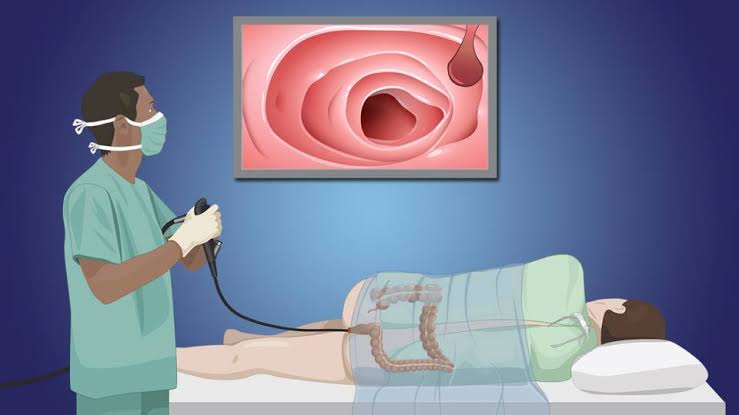
When your doctor recommends a colonoscopy, it helps to know what the procedure involves. A gastroenterologist uses a thin, flexible tube with a small camera to examine your colon and rectum. The exam takes 40 to 60 minutes, and most patients receive sedation for comfort. Here are some tips for understanding this process and learning what to expect:
Prepare for a Liquid Diet
Many colonoscopy prep plans require a clear liquid diet the day before your exam. Solid food leaves residue in the colon, and residue blocks the camera’s view. If your doctor finds stool in the colon, you may need to repeat the procedure. Many plans also call for low-fiber meals two or three days earlier.
Skip liquids with red, blue, or purple dye; these colors resemble blood on camera. Since the prep solution causes frequent bowel movements, stay close to a bathroom that evening. Most prep plans allow these clear liquids:
- Water and clear broth
- Apple juice or white grape juice
- Gelatin and ice pops without red or purple dye
- Coffee or tea without milk or cream
- Sports drinks with light colors
Ask Specific Questions
Before your appointment, write down the questions that matter most to you. General questions get general answers, but specific questions give you usable details. Bring your list to the consultation.
Start with timing and logistics. Ask what time to stop drinking liquids, because many plans set a cutoff before sedation. Find out your arrival time, and confirm the length of the recovery period. Ask about the prep solution and its dosing schedule.
Some patients don’t understand the results, so ask about the follow-up process. Lab results from removed polyps may take a few weeks. If the doctor removes polyps, the team will explain your next screening date.
Learn What Medications to Adjust
As some medicines affect bleeding or bowel prep, your doctor may pause or change them. Bring a full list of your prescriptions and supplements to the consultation. Diabetes medicines need extra attention during a liquid diet. Never stop a medicine on your own, and follow your doctor’s exact schedule. Ask about these drugs:
- Blood thinners, such as warfarin, clopidogrel, or apixaban
- Insulin and other diabetes medicines
- GLP-1 injections, such as semaglutide
- Iron supplements and fiber products
- Aspirin and other anti-inflammatory pain relievers
Arrange a Driver
Sedation affects your reflexes and judgment, and the effects last for several hours. Due to these effects, most facilities will not start the procedure until you confirm an adult escort. Plan your ride at least a week ahead.
Many centers do not allow you to leave alone in a taxi or rideshare unless someone rides with you. Call the facility to confirm its specific rules. Your driver needs to stay nearby, and the staff will call with a pickup time. Avoid driving, working, or signing legal papers for the rest of the day.
Book a Colonoscopy Consultation
A consultation gives you time to review each step with a provider. During the visit, the provider explains your prep plan, which may differ from a friend’s or relative’s. Bring your medication list and questions, and ask for written prep instructions. Call a clinic or book online to schedule a consultation, and if you have questions before your visit, reach our staff by phone or email.