

Heart health refers to how well your heart pumps blood and supports your body. Cardiologists are doctors who specialize in heart health, and they use a range of tests to find problems early. When a patient reports symptoms, a cardiologist reviews their medical history, performs an exam, and orders tests that reveal how well the heart is functioning. Here is more information about some common types of cardiology diagnostics:
Electrical and Rhythm Monitoring
Cardiology uses electrical tests to study heart rhythm, and an EKG is one of the most common. An EKG, or electrocardiogram, records the electrical signals that move through your heart. The test is short, and it shows whether your heartbeat is steady or irregular. Because the EKG captures a snapshot, doctors use it to detect issues that appear during the test itself.
Event loop monitoring works differently because it tracks your heart over a longer period. You wear a small device for days or weeks, and it records activity while you go about your daily life. This approach catches more intermittent problems.
These two tests can detect several heart problems, including:
- Arrhythmias, or irregular heartbeats
- Signs of a previous heart attack
- Poor blood flow to the heart muscle
- Fainting spells linked to rhythm changes
Vascular and Ultrasound Imaging
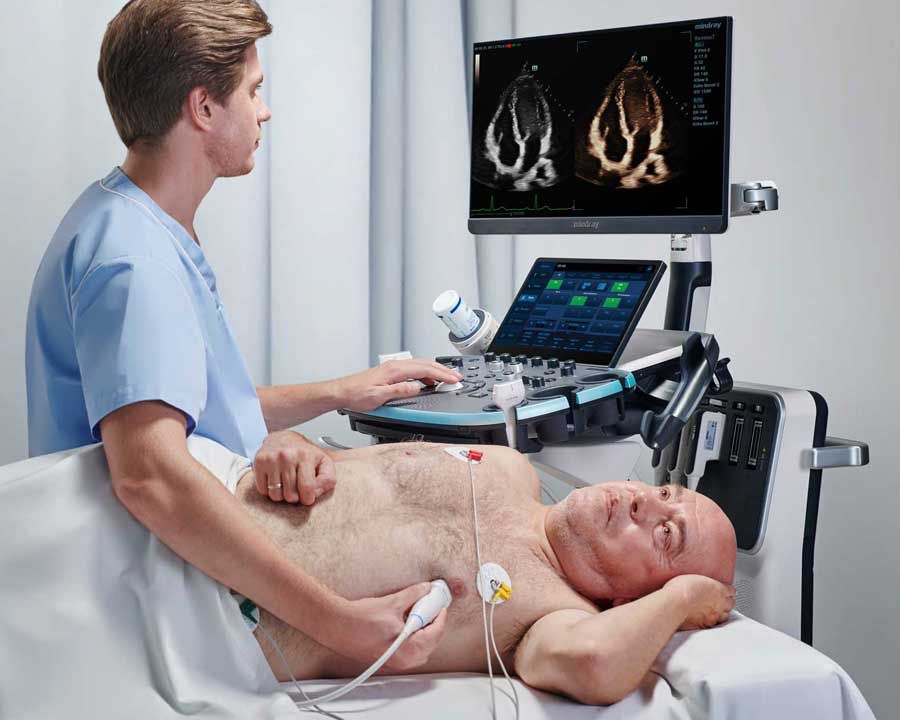
An echocardiogram uses sound waves to create moving pictures of your heart. The test shows the heart’s chambers, valves, and walls, and it measures how well blood moves through them. Doctors use these images to reveal structural problems that electrical tests cannot show. The procedure is painless.
A carotid doppler scans the carotid arteries in your neck, which carry blood to your brain. Sound waves measure blood flow, and the test highlights any narrowing or blockage. When arteries are blocked, the risk of stroke rises, so this scan can show signs of serious conditions before they occur. Together, these imaging tests can detect heart valve disease, weakened heart muscle, blood clots, and narrowed arteries that threaten healthy circulation.
Stress Heart Tests
A stress echo combines exercise with an echocardiogram, and it shows how your heart performs under pressure. Doctors take images before and after an activity, and they compare the two sets to spot changes. If your heart struggles during exertion, the test reveals reduced blood flow or weakened pumping. This method helps identify problems that may not be easily detected during rest.
Nuclear stress testing adds a safe radioactive tracer to the process. The tracer travels through your bloodstream, and a special camera tracks where it goes inside the heart. Areas with poor blood flow show up clearly on the images, so doctors can map blocked or narrowed arteries.
Both types of stress tests can detect coronary artery disease, and they identify reduced blood supply during activity. They also indicate damage from earlier heart events. Because these tests study the heart under strain, they offer insight that resting tests may not provide.
Common Treatment Options
Treatment in cardiology depends on the diagnosis. Lifestyle changes are a common form of conservative care, and they include regular exercise and quitting smoking. These steps lower your risk of heart disease, and they support every other treatment a patient receives.
Medications play a role when lifestyle changes alone do not achieve the desired result. Doctors may prescribe drugs that control blood pressure or steady the heartbeat. When blockages are severe, surgical procedures restore healthy blood flow, and common options include:
- Angioplasty and stent: open narrowed arteries
- Bypass surgery: reroutes blood around blockages
- Pacemaker: regulates slow or irregular rhythms
Learn More About Cardiology Services
Heart health depends on early detection, and cardiologists use tests like EKGs, echocardiograms, and stress studies to find problems before they grow more serious. Common symptoms that may indicate heart issues include chest pain, shortness of breath, dizziness, and fatigue. To learn more about cardiological diagnostic testing, consult a cardiologist near you.