

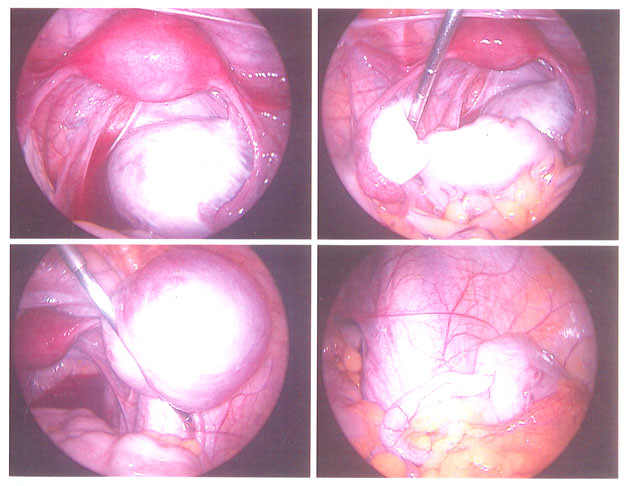
Endometriosis is a chronic condition in which tissue similar to the uterine lining grows outside the uterus. This tissue may develop on the ovaries, fallopian tubes, or other pelvic structures, and it responds to hormonal changes just as the uterine lining does. Because this tissue has no path out of the body, it sometimes causes inflammation or scar tissue over time. The condition affects people of reproductive age, and it varies widely in how it presents and progresses. Here are several things to know about endometriosis:
Recognizing Common Symptoms
Symptoms differ significantly from person to person, and their severity does not always reflect the extent of tissue growth. Some people report multiple symptoms, while others report very few. Possible symptoms include:
- Pelvic pain, particularly before or during menstrual periods
- Heavy or irregular menstrual bleeding
- Pain during or after intercourse
- Discomfort during bowel movements or urination
- Difficulty becoming pregnant
- Bloating or nausea
Many of these symptoms overlap with other conditions, such as irritable bowel syndrome or pelvic inflammatory disease, so a provider’s evaluation is a fundamental step toward clarity. Tracking the timing, location, and duration of symptoms before an appointment can also give your provider more comprehensive details.
Navigating the Diagnostic Process
Identifying endometriosis typically involves several steps, so the process often takes time. The provider begins by reviewing your medical history and discussing your symptoms in detail. A pelvic exam may follow, which allows the physician to check for tenderness, cysts, or other physical findings.
Imaging tools such as transvaginal ultrasound or MRI help providers look for structural changes linked to the condition. These tools do not detect every type of tissue growth, so imaging results alone rarely confirm a diagnosis. Laparoscopy is a minimally invasive surgical procedure and the standard method for confirming endometriosis. A surgeon inserts a small camera through a tiny incision to view the pelvic area directly and, when appropriate, collects a tissue sample for analysis.
Exploring Management Approaches
No single management plan works for everyone, and providers tailor recommendations to your symptoms, age, overall health, and family planning goals. Over-the-counter pain relievers may address menstrual-related discomfort as a starting point. Hormonal therapies, including birth control pills, hormonal IUDs, and other prescription options, aim to regulate or suppress the menstrual cycle. When medication alone does not deliver the desired results, surgical intervention may be the next step. A surgeon removes endometriosis tissue during laparoscopy. In select situations, and after a thorough discussion of long-term effects, a provider may present a hysterectomy as an option. Some individuals also ask about complementary strategies such as pelvic floor physical therapy or dietary adjustments.
Find Treatment for Endometriosis
Endometriosis involves tissue similar to the uterine lining growing outside the uterus, and it produces a range of symptoms that vary by individual. Providers use medical history, physical exams, imaging, and laparoscopy to guide diagnosis. Management options include medication and hormonal therapy. Surgery is also a way to treat pain and potentially improve fertility. If any of the symptoms outlined here apply to you, schedule a consultation with a qualified provider to discuss your next steps.