

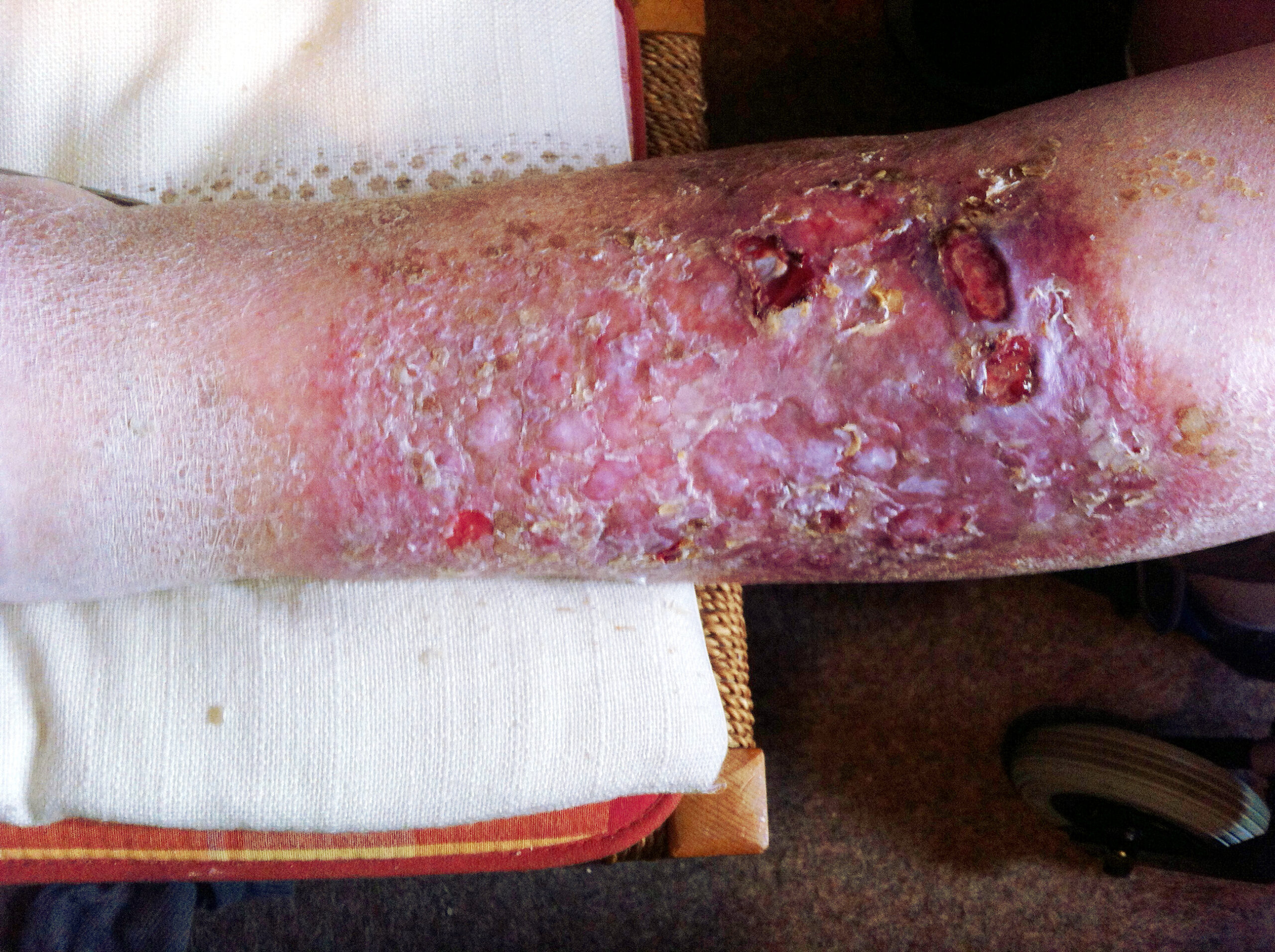
Chronic venous insufficiency (CVI) occurs when the veins in the legs struggle to return blood to the heart. This can lead to swelling, discomfort, skin changes, and other symptoms. Proper diagnosis can help determine the severity of the condition and guide appropriate care. Here is an overview of common symptoms and management options for CVI:
What Symptoms Are Common?
Symptoms of chronic venous insufficiency vary from person to person, but several patterns are common. You may notice aching or heaviness in the legs, and swelling tends to build as the day goes on. Skin changes may occur, including discoloration near the ankles, and some people develop visible varicose veins that signal underlying vein pressure. If redness, warmth, or sudden swelling appears in one leg, that pattern may point to a clot, and evaluation becomes key. Recognizing these signs early matters, so you can act before the condition progresses. A careful review of your symptoms helps your care team separate venous insufficiency from other causes.
How Is It Diagnosed?
A specialist starts the diagnosis for CVI with a physical exam and a detailed review of your medical history. The main test is a duplex ultrasound, which uses sound waves to show how blood moves through your veins, and it reveals whether valves leak or veins are blocked. This scan is painless, and it gives your provider a precise map of the affected areas. The results help distinguish CVI from deep vein thrombosis, two conditions that often share overlapping symptoms. Your provider may order further imaging when the ultrasound raises questions, so the full picture becomes clear.
How Are Symptoms Managed?
Conservative management is often the first line of care for people with chronic venous insufficiency. These measures are practical, and you can often start them at home while your treatment plan takes shape. The goal is to reduce pressure in the veins and improve how blood returns to the heart.
Compression Therapy
Compression stockings apply graduated pressure to your legs, which supports upward blood flow. You wear them during the day, and some people remove them at night. Your provider will recommend the right strength, so the fit matches your needs.
Lifestyle Adjustments
Daily habits can ease symptoms, and they support the effects of compression therapy. Regular walking activates the calf muscles, which help pump blood, and elevating your legs may reduce swelling. Maintaining a healthy weight lowers vein pressure, and staying active throughout the day can limit the pooling that causes discomfort.
Which Treatments Are Available?
When conservative steps do not fully control symptoms, several medical procedures can treat the underlying veins. These options are minimally invasive for most patients, and they target the specific veins that cause pooling. Here are some of the procedures specialists may recommend:
- Sclerotherapy: A provider injects a solution into smaller veins, which causes them to close and fade over time.
- Endovenous thermal ablation: Heat from a laser or radiofrequency energy seals a damaged vein, and blood reroutes to healthier veins.
- Microphlebectomy: A provider removes surface varicose veins through tiny punctures, reducing visible bulging.
Address Chronic Venous Insufficiency Today
Chronic venous insufficiency is a manageable condition with proactive care and treatment. Understanding its causes and symptoms is key for early detection and effective management. Treatment options include compression therapy, lifestyle adjustments, and advanced procedures like vein ablation and microphlebectomy. Contact a qualified vein specialist near you to schedule your consultation and address CVI today.