

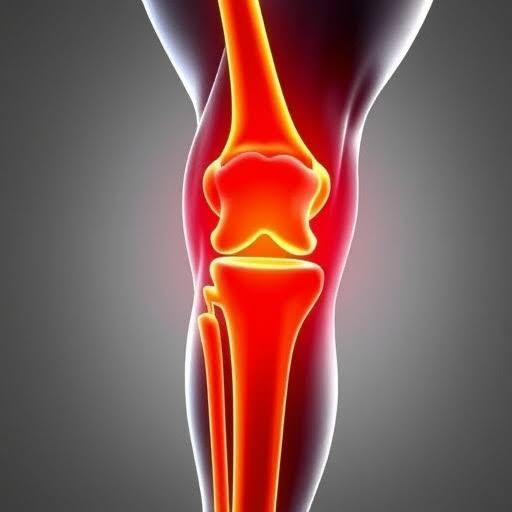
When your knee hurts, everyday tasks like walking or climbing stairs become harder, and it affects people of all ages. Some cases stem from a sudden injury, and others develop slowly from wear over time. Most knee problems improve with rest or therapy, but some need surgery. This is when surgical intervention may be needed for knee pain:
Severe Knee Pain
Pain intensity offers one clue about the need for surgery. Mild aches typically fade with rest, but severe pain tends to linger or worsen. If knee pain keeps you awake at night, your knee may have structural damage.
Some people limp through the day, and others stop walking entirely. When pain limits basic movement, a doctor will look closer. Movements include standing up from a chair or getting into a car.
Since severe pain has many causes, a proper diagnosis comes first. X-rays and MRI scans show bone and tissue damage. Your provider reviews these images, and then you discuss treatment options together. Surgery is one option among several.
Conservative Methods Exhausted
Doctors typically start with nonsurgical treatment. Surgery enters the discussion when these methods fail to relieve pain after several months. Each person responds differently, so the timeline varies. Keep a written record of each treatment and its results; this helps your doctor decide whether surgery makes sense for you. Conservative treatments may include:
- Rest, ice, and elevation
- Physical therapy to strengthen nearby muscles
- Anti-inflammatory medications
- Steroid or lubricating gel injections
- Knee braces or supportive shoes
Serious Injuries
Some knee injuries need surgery soon after they happen. The ACL stabilizes the knee, and a full tear often makes the joint buckle. Large tears in the meniscus, the knee’s cartilage cushion, may lock the joint in place.
Fractures around the knee also tend to require surgery. Surgeons use plates, screws, or pins, and these hold broken bones in place during healing. If you hear a pop and notice fast swelling, seek medical care the same day. Medical providers assess the injury, order X-rays, and refer you to a specialist as needed.
Physical Abnormalities
Some knee problems come from how the joint formed or how it wore down over time. Advanced arthritis is a major example. Cartilage wears away, and bones begin to rub against each other. For some patients, other structural issues include:
- Bowlegs or knock-knees that strain one side of the joint
- Kneecaps that slip out of their groove again and again
- Bone spurs or loose fragments inside the joint
- Joint deformity from long-term arthritis
Mild cases may respond to therapy, but advanced cases may need surgical correction. Depending on the clinic, options may include arthroscopy, realignment, and partial or total knee replacement. Arthroscopy uses a small camera that fits through tiny cuts in the skin.
Get Examined for Knee Pain
If knee pain disrupts your daily routine, get it checked promptly. An orthopedic clinic accepts new patients, and many offer on-site X-rays. Bring a list of your symptoms and past treatments. Your provider will examine your knee and explain whether a specialist referral makes sense, so ask questions until you understand the risks, recovery time, and costs.