

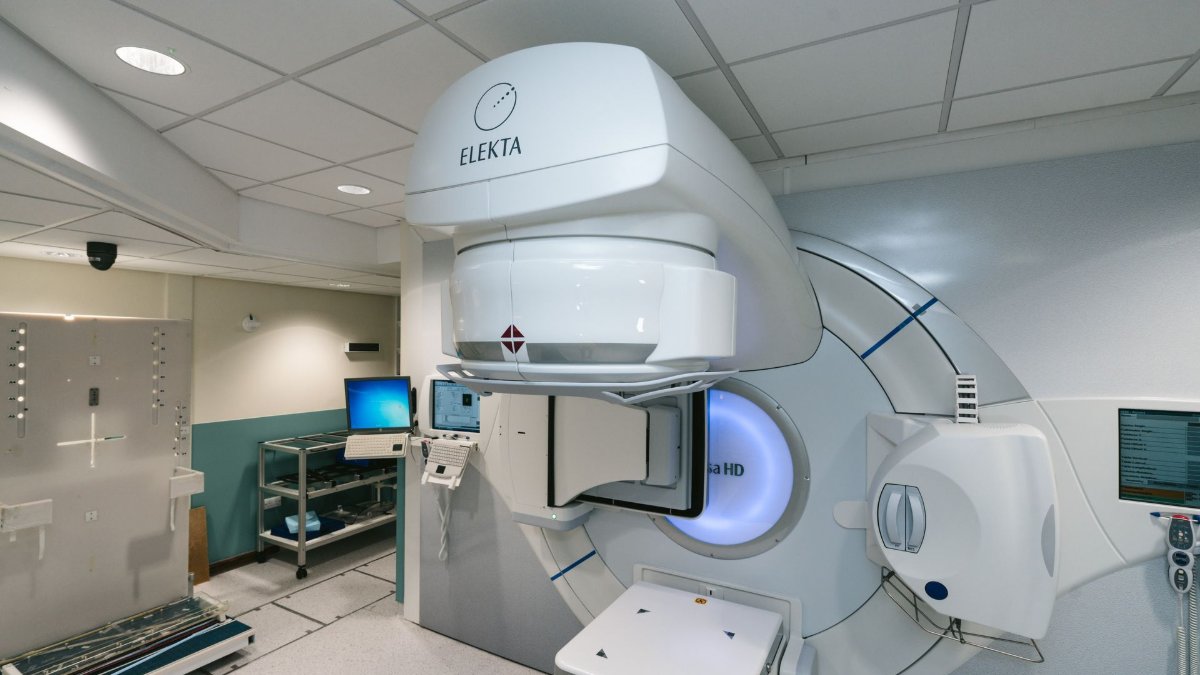
An oncologist is a physician who diagnoses, treats, and manages cancer. This specialist guides treatment planning, and they monitor progress. Treatment options typically include chemotherapy, radiation therapy, surgery, immunotherapy, and targeted therapy. The right combination depends on the cancer type, its stage, and the patient’s overall health, which a healthcare professional will assess. Here is more information on who oncologists treat, what services they offer, how to locate a qualified provider, and how care plans are tailored to individual patients:
Who Do Oncologists Help?
An oncologist treats patients diagnosed with cancer, from initial detection through ongoing management. Some focus on a single cancer type, while others treat a broader range of diagnoses. Patients at every stage of the disease fall under an oncologist’s care, which includes those in remission or undergoing long-term monitoring.
Three main types of oncologists exist: medical, surgical, and radiation. Medical doctors manage chemotherapy and other systemic treatments. Surgical doctors remove tumors and affected tissue, and radiation doctors administer targeted radiation therapy. Since diagnosis complexity varies, patients may work with more than one type of oncologist throughout treatment.
What Services Do They Provide?
Oncologists provide a range of services that span diagnosis, treatment, and ongoing care for patients with cancer. Key services include:
- Diagnostic testing: Biopsies, imaging reviews, and lab work confirm the cancer type and stage.
- Treatment planning: The oncologist outlines options such as chemotherapy, radiation, surgery, immunotherapy, or a combination of these approaches.
- Treatment monitoring: Oncologists track how a patient responds to treatment and adjust the plan as needed.
- Follow-up care: Regular appointments track recovery, manage side effects, and screen for recurrence after treatment concludes.
Understanding this full scope of services helps patients ask more informed questions during consultations.
How Is an Oncologist Found?
Patients may start by asking their primary care physician for a referral. Patients can review an oncologist’s experience with their specific cancer type; scheduling a consultation lets them ask questions directly before committing to a provider. Topics worth covering include treatment philosophy, communication style, and how the office handles scheduling and emergencies. This conversation shows how the patient and oncologist will work together long term. Because cancer care often spans months or years, patients benefit from choosing a provider that fits their needs, and a consultation makes that decision easier.
How Are Individual Needs Met?
Oncologists build treatment plans around a patient’s diagnosis, overall health, and personal preferences. Genetic testing may inform these plans, and they identify the therapies most likely to work for a specific tumor profile. Because every patient’s circumstances differ, age, other medical conditions, and prior treatments also factor into decisions about which approach to pursue.
Communication preferences also shape the partnership, and some patients may look for detailed explanations of every test result. Others may prefer summarized updates with clear next steps. A good oncologist adjusts their communication accordingly, and they remain available to answer questions between appointments, which helps patients feel informed throughout treatment.
Schedule a Consultation Today
Choosing the right oncologist means understanding their specialty and confirming their communication style fits your needs. Oncologists treat patients at every stage of cancer care; they offer diagnostic testing, treatment delivery, and supportive services designed around individual circumstances. Taking time to research providers and ask direct questions during a consultation puts patients in a stronger position to make an informed choice. If you have cancer, reach out to a local cancer center to begin the process.