

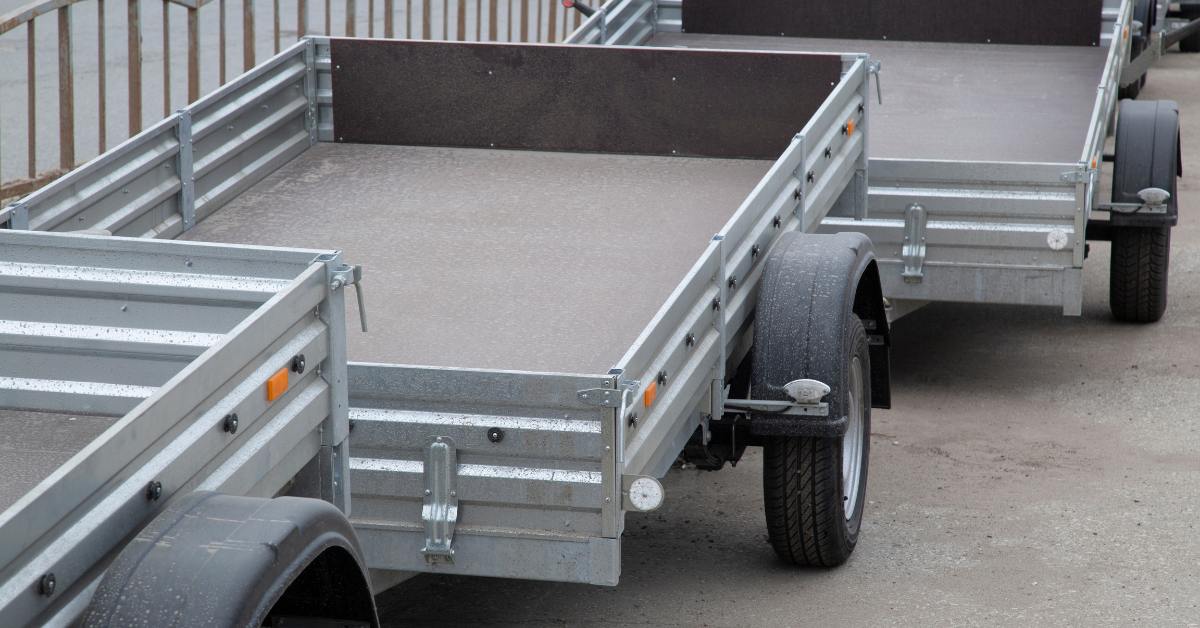
In today’s fast‑paced world, efficiency and practicality are essential in nearly every industry — from agriculture and logistics to hospitality and service. One tool that has quietly revolutionized how materials are transported, organized, and distributed is the afruimwagen. Whether you’re a modern farmer looking to boost productivity or a business owner aiming to streamline operations, understanding the power of afruimwagens can save time, labor, and money. In this comprehensive guide, we’ll explore what Afruimwagens are, how they work, why they’re valuable, and which types are best for different uses.
Also Read: xuebaotou/
What Are Afruimwagens? An Introduction
At its core, these are specialized carts or wagons designed to support efficient movement and management of goods, materials, or supplies in various environments. They can range from heavy‑duty agricultural wagons that handle silage and manure to multi‑shelf indoor carts used in restaurants and hospitals.
While the concept might be unfamiliar to many, these carts have become indispensable tools in industries where organization and transport are critical. Their role is not simply logistical — they modernize workflows and reduce manual effort, leading to better outcomes and higher productivity.
In agriculture, one of the most prominent areas where these carts are used, they assist in moving organic materials such as hay, feed, compost, and harvested crops. This significantly eases the workload on farmers while enhancing overall farm output.
Across service industries, these carts serve as reliable mobile stations for clearing tables, transporting dishes, holding tools, or organizing supplies, proving that this versatile equipment has applications beyond just farming.
Why They Matter in Modern Operations
The rise of these carts in businesses large and small is no accident. They offer benefits that directly address common challenges faced by professionals in demanding environments.
Increased Efficiency
One of the core advantages of using these carts is the dramatic improvement in workflow efficiency. By centralizing the transport of multiple items in a single trip, workers save time, reduce fatigue, and complete tasks faster.
For example, on a farm, hauling feed or harvested produce with a cart prevents the need for multiple hand‑carried loads. This consolidation significantly speeds up daily tasks.
Enhanced Organization
A major issue in any operational setting is keeping materials arranged and accessible. These carts often feature tiered shelving, compartments, or specialized holders that allow orderly transport and storage. This not only improves visibility but also reduces the risk of damage or loss.
Versatility Across Industries
Although commonly associated with agriculture, these carts are also valuable in hospitality, warehouses, industrial facilities, and healthcare. In restaurants, they help clear tables and restock supplies quickly. In hospitals, they assist in transporting medical supplies, linens, or equipment where and when needed.
Reduced Physical Strain
Manual lifting and carrying can lead to fatigue or injury. These carts minimize physical strain by enabling users to move heavier loads with less effort, making workplaces safer and less physically demanding.
Cost‑Effective Operations
By saving time and increasing throughput, these carts contribute to cost savings. They lower labor expenses by reducing the number of trips and the workforce required for material movement, which is especially valuable for small and medium‑sized businesses.
The Role in Agriculture
Agriculture is one of the sectors where these carts have made a lasting impact due to their ability to handle large volumes of material with minimal effort.
Transporting Organic Materials
On farms, they are primarily used to transport organic materials such as manure, silage, hay, and compost. These materials are essential for maintaining soil health and feeding livestock, and the carts make their movement much more efficient.
Whether moving freshly cut forage from one field to another or relocating compost to enrich soil, these carts provide a reliable solution.
Streamlining Harvest Workflows
During harvest season, every minute counts. These carts allow farmers to collect crops quickly and bring them to central processing areas without the labor‑intensive task of carrying heavy loads by hand.
This not only saves time but also ensures that crops are handled gently — reducing damage and preserving quality.
Supporting Sustainable Practices
Many modern farms are focused on sustainable approaches. Using carts to transport organic matter efficiently supports better soil management practices and enhances environmental stewardship.
Also Read: mopoga/
Types and Their Uses
A significant reason why these carts are so popular is the range of designs available, each tailored to specific needs.
1. Agricultural Wagons
These heavy‑duty carts are built to withstand rugged farm environments. They are designed to carry large volumes of organic material and typically feature strong frames, durable wheels, and easy‑to‑clean surfaces.
2. Multi‑Shelf Utility Carts
Commonly used in commercial settings like restaurants, warehouses, or hospitals, these carts include multiple shelves or trays to organize various items. They help staff transport utensils, linens, tools, or inventory with ease.
3. Specialized Service Carts
In industries like hospitality or catering, service‑focused carts are tailored to specific tasks such as clearing tables, restocking supplies, or holding cleaning equipment. These carts often include ergonomic handles and smooth‑rolling casters for easy maneuvering.
4. Customizable Carts
Some businesses require custom configurations. Manufacturers offer customizable carts with adjustable shelving, add‑on accessories, and tailored dimensions, allowing companies to build the perfect solution for their workflow.
Design Features That Make Them Effective
These carts are engineered to enhance efficiency and durability. Some of the key features that distinguish top‑quality options include:
Sturdy Frame Construction
High-quality carts are made with durable materials like steel or reinforced aluminum. This ensures they can withstand heavy loads and daily wear.
Smooth Rolling Casters
Large, smooth rolling wheels allow movement across uneven terrain or tiled floors. Locking casters provide stability when loading or unloading.
Ergonomic Handles
Comfortable handles reduce strain on users and make steering easier, which is crucial during prolonged use.
Multiple Shelving Levels
Whether it’s layered trays or customizable compartments, multiple levels enable better organization and maximize capacity.
Weather‑Resistant Coatings
For outdoor use — particularly in agricultural settings — many carts have protective coatings to resist rust, water damage, and corrosion.
These features combine to ensure that carts are not only functional but also long‑lasting investments.
Choosing the Right Afruimwagen for Your Needs
Selecting the ideal afruimwagen involves understanding your specific use case and operational constraints.
Assessing Load Capacity
First, estimate the weight and volume of items you need to transport regularly. Heavy‑duty agricultural wagons will require higher load capacities, while lightweight indoor carts may suffice for service settings.
Environment Considerations
Determine where the Afruimwagen will primarily be used — indoors on smooth floors or outdoors on rough terrain. This will guide your choice of wheels, frame strength, and material.
Mobility and Maneuverability
Spaces with tight aisles or narrow environments require carts with excellent turning capabilities and compact designs.
Organization Features
Evaluate the importance of shelving and compartments. For tasks requiring sorted transport (e.g., in a restaurant or warehouse), multi‑shelf afruimwagens are preferable.
Budget and Durability
While affordable options exist, investing in a more durable afruimwagen often pays off in long‑term performance and reliability.
By carefully considering these factors, you can choose an Afruimwagen that precisely matches your operational needs.
Maintaining Your Afruimwagen for Long‑Term Use
Like any equipment, Afruimwagens require proper care to ensure they continue operating at peak performance.
Routine Cleaning
Regularly clean the cart, especially after transporting organic materials. This helps prevent rust and contamination.
Lubricate Moving Parts
Keep wheels and joints lubricated to ensure smooth movement and reduce wear.
Inspect for Damage
Check for loose screws, worn wheels, or bent frames. Early detection prevents minor issues from becoming major repairs.
Protect from Harsh Weather
If using outdoors, consider protective covers during heavy rain or winter storage to extend lifespan.
Proper maintenance ensures your Afruimwagens remain dependable tools for years to come.
The Future of Afruimwagens: Innovation and Growth
As industries continue to prioritize efficiency and sustainability, automakers are evolving with new technologies and features. Trends include:
Smart Carts with Tracking
Integration of sensors and GPS enables monitoring of cart usage and location — useful in larger facilities or farms.
Modular Designs
Interchangeable components allow businesses to adapt carts for different tasks without buying new equipment.
Eco‑Friendly Materials
Manufacturers are exploring recycled and lightweight materials to build more sustainable afruimwagens without sacrificing strength.
With these innovations, Afruimwagens will continue to be relevant tools across multiple domains.
Frequently Asked Questions (FAQs
1. What are these carts used for?
These carts are used to transport, organize, and distribute materials in agricultural, industrial, and service environments. They make tasks like hauling supplies, clearing tables, and moving goods easier and more efficient.
2. How do I choose the right cart?
To choose the right cart, assess your load requirements, environment (indoor vs outdoor), maneuverability needs, and organizational features. This helps match the cart’s design to your specific tasks.
3. Can these carts be used indoors?
Yes, many are specifically designed for indoor use, especially in restaurants, hotels, warehouses, and hospitals, where multi‑shelf utility carts are common.
4. Are these carts suitable for heavy loads?
Many, particularly agricultural wagons, are built to handle heavy loads, offering robust frames and strong wheels capable of transporting large volumes of material.
5. Do these carts require maintenance?
Regular maintenance — including cleaning, lubrication, and inspections — is recommended to ensure they remain functional and durable over time.
Conclusion:
Afruimwagens have become essential tools that boost efficiency, reduce manual labor, streamline organization, and support practical workflows across industries. Whether used to haul feed across a farm field, restock inventory in a warehouse, or clear tables in a restaurant, afruimwagens provide real value.
By understanding their purpose, features, and correct application, businesses and individuals can significantly improve productivity and work quality. If you’re looking for a time‑tested solution to material movement challenges, look no further than Afruimwagens.