

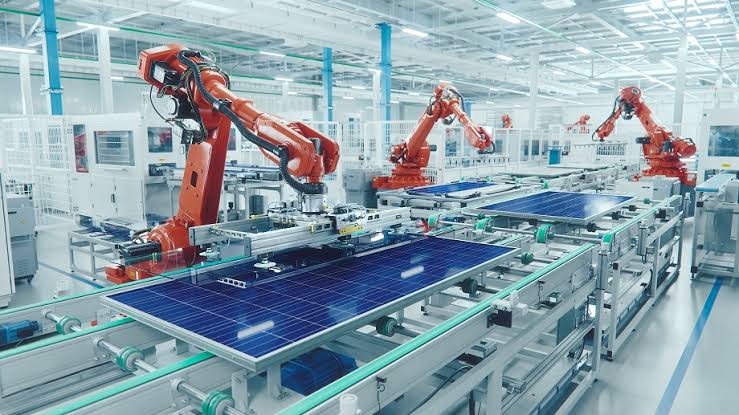
Advanced manufacturing involves the design, production, and assembly of high-value products using advanced technologies and specialized equipment. Local employers support a wide range of manufacturing activities, from developing automotive components and engineered materials to producing complex industrial systems. Here is more information about the skills and opportunities for advanced manufacturing jobs:
Precision Machinery Operation
Operating precision machinery requires setting up, calibrating, and operating advanced equipment used to manufacture specialized industrial components. Technicians oversee automated production systems, adjusting machine settings to meet engineering specifications and quality standards. Success in these roles depends on a strong understanding of materials, manufacturing processes, and equipment performance. Long production runs demand sustained attention to detail and consistent monitoring of machine operations. Finished components undergo careful inspection using calibrated measuring tools capable of verifying dimensions to extremely tight tolerances. Throughout the process, operators follow established safety procedures and production protocols while working with high-precision machinery and equipment.
Thermal System Engineering
Technicians and engineers develop, refine, and optimize industrial heat-processing equipment used in manufacturing, materials processing, and other heavy industrial applications. Their work includes designing thermal systems, improving equipment performance, and increasing energy efficiency across production operations. A strong understanding of heat transfer and combustion systems supports reliable operation under extreme temperatures.
Project teams work closely with plant managers and operations personnel to install and commission custom-engineered equipment. Engineers analyze thermal performance using sensors, monitoring systems, and computer simulations that model how heat affects materials and equipment over time. Installation projects often involve specialized insulation systems, safety controls, and automated shutdown mechanisms designed to protect personnel and production processes. Regular testing, maintenance, and performance evaluations help keep these systems operating within the set design specifications.
Machine Tool Repair
Some advanced manufacturing jobs involve diagnosing and servicing production equipment to keep factories operating smoothly. Technicians’ responsibilities include inspecting machinery, diagnosing mechanical and electrical issues, and repairing or replacing worn components. Many facilities rely on automated systems that operate continuously; this makes timely troubleshooting and preventive maintenance key to production performance. Technicians use diagnostic software and testing equipment to identify the causes of equipment failures and performance issues. Their work often involves servicing machine tools, motors, conveyors, control systems, and other industrial equipment. Strong mechanical knowledge and problem-solving skills support complex repairs and equipment rebuilds. When components fail, maintenance specialists install replacement parts or perform restoration work to return equipment to service and reduce downtime.
Industrial Packaging Fabrication
Skilled manufacturers convert raw materials into durable packaging systems designed to protect goods during shipping and storage. Because cargo requirements vary, designers develop structural layouts that balance strength, efficiency, and material usage. Industrial packaging fabrication applies engineering methods to create containers that perform under demanding transportation conditions. Core technical processes include:
- Material strength assessment
- Structural layout design
- Chemical coating application
Automated Workflow Management
Automated workflow management centers on the digital systems that coordinate manufacturing operations across a facility. Production schedules, equipment controls, and material tracking systems work together to support an efficient flow of work. Professionals in this field oversee these interconnected technologies and address issues that affect production performance.
Using centralized software platforms, workflow specialists monitor operations in real time and evaluate how different processes interact throughout the production cycle. They analyze system data, identify bottlenecks, and recommend improvements that increase efficiency and reliability. Experience in automated workflow management often leads to opportunities in manufacturing systems or industrial automation.
Explore Advanced Manufacturing Jobs
The advanced manufacturing sector includes a range of technical careers, from operating automated glass production systems to managing digital textile printing processes. Some specialized contractors support manufacturing sites by providing mobile maintenance teams that respond to equipment failures and perform repairs directly. Browse a regional workforce development platform to explore its job offerings.