

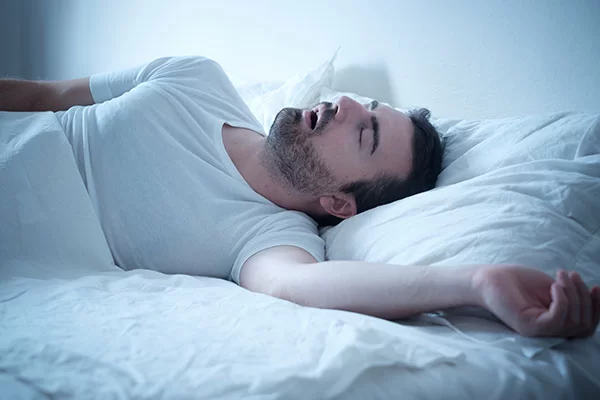
Snoring happens when relaxed throat tissues partially block the airway during sleep. Occasional snoring is common and doesn’t indicate a larger problem, but snoring may signal a sleep disorder when it is loud, happens most nights, or comes with breathing pauses. Daytime sleepiness, morning headaches, and trouble concentrating can also accompany disordered breathing during sleep. Snoring specialist dentists evaluate the mouth and airway to identify factors that may contribute to snoring. Here’s information on addressing snoring concerns early with a specialist:
To Address Larger Health Concerns
Snoring can be one of the earliest signs of obstructive sleep apnea (OSA), a sleep disorder in which the airway repeatedly narrows or collapses during sleep. When the airway is blocked partially or completely, this can interrupt breathing for several seconds at a time. These pauses may lower blood oxygen levels and cause brief awakenings that people often do not remember. Research has linked untreated sleep apnea to other health conditions like:
- High Blood Pressure
- Heart Disease
- Stroke
- Type 2 Diabetes
Because snoring alone cannot confirm a diagnosis, a sleep disorder specialist may recommend a sleep study. A snoring specialist can review the results of a home or in-lab sleep test to determine whether sleep apnea is present and how severe it is. Addressing snoring early gives you the chance to understand the cause before symptoms progress. Early evaluation also allows your care team to discuss treatment options that fit your sleep habits, anatomy, and health history. If you have mild or moderate sleep apnea, you may benefit from an oral appliance for nightly support.
To Support Your Airways
To help reduce snoring and support your breathing, a dental snoring specialist may recommend a custom-made oral appliance. This device resembles a mouthguard or orthodontic retainer and is worn only during sleep, but it gently moves the lower jaw forward to help keep the airway open. Other designs hold the tongue in place to keep it from falling back toward the throat.
Before designing a custom oral appliance, dentists measure the airway with in-office tools. An acoustic pharyngometer sends sound waves through the mouth into the throat. The reflected waves create a map of the airway from the mouth to the vocal cords, showing its size and where it narrows. Dentists may take readings while you sit upright and while you lie down; they can also compare readings with your jaw in different positions.
An acoustic rhinometer uses a similar method to measure the nasal passages and show whether nasal congestion or narrowing affects your breathing at night. Together, these measurements help the dentist gauge airway flexibility and how it responds to jaw movement. Your dentist then uses impressions or digital scans of your teeth to fabricate an appliance. Follow-up visits allow for adjustments to improve comfort and fit, keeping your care plan focused on your needs.
To Reduce Symptoms
Sleep apnea can cause symptoms that affect nighttime rest and daytime function, including daytime fatigue, dry mouth upon waking, sore throat, morning headaches, and irritability. By helping keep the airway open, a custom oral appliance reduces breathing interruptions during sleep. Fewer interruptions support more continuous sleep and, for some patients, less daytime fatigue.
Sleep apnea often causes dry mouth because you breathe through your mouth when the nasal or throat airway is partially blocked. Some oral appliances are designed to encourage the lips to stay closed, which may help reduce mouth breathing. Bed partners may also notice quieter or less frequent snoring. Oral appliances are often recommended for mild to moderate obstructive sleep apnea or for patients who cannot tolerate a CPAP machine. Results vary from person to person, so a follow-up sleep study may be used to evaluate how well the appliance is working.
Find a Dental Snoring Specialist
Persistent snoring can indicate a sleep-related breathing disorder, but an oral appliance is often recommended for mild or moderate conditions. A dental snoring specialist can evaluate your airway, coordinate with a sleep physician, and create a custom appliance. An early medical evaluation gives you clear information about the cause of your snoring and often offers more management options. If you snore often or have pauses in breathing, schedule a consultation with a provider trained in dental sleep medicine.