

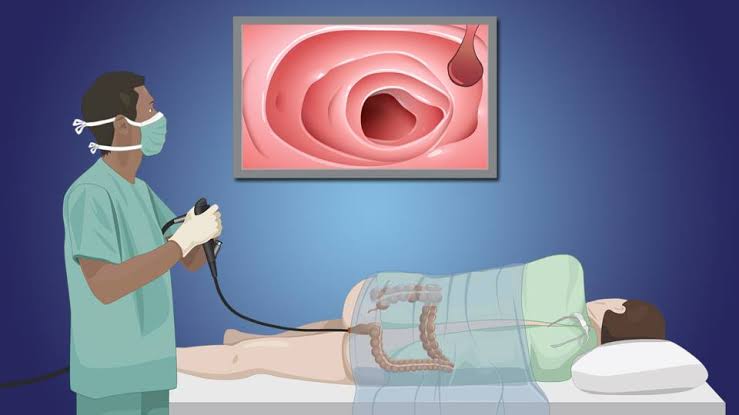
Tips for Understanding the Colonoscopy Process
When your doctor recommends a colonoscopy, it helps to know what the procedure involves. A gastroenterologist uses a thin, flexible tube with a small camera to examine your colon and rectum. The exam takes 40 to 60 minutes, and most patients receive sedation for comfort. Here are some tips for understanding this process and learning what to expect: Prepare for a Liquid Diet Many colonoscopy prep plans require a clear liquid diet the day before your exam. Solid food leaves residue in the colon, and residue blocks the camera’s view. If your doctor finds stool in the colon, you may

Lifestyle Adjustments to Combat Acid Reflux
Acid reflux occurs when stomach contents move back into the esophagus, often causing symptoms such as heartburn, regurgitation, or discomfort after eating. Certain daily habits, including meal timing and food choices, may influence how often symptoms occur. Here are some lifestyle adjustments for combating acid reflux: Adjust Eating Habits What you eat and how you eat both affect acid reflux symptoms. Large meals fill the stomach quickly, and certain foods are commonly linked to heartburn. Keep a food journal to identify patterns over time. The following adjustments are a helpful starting point: Improve Sleep and Position Nighttime symptoms are common

Supporting Families Through Telehealth Family Therapy Approaches
Remote family therapy lets families participate in counseling sessions remotely through secure video platforms. This approach often makes it easier for family members to attend sessions from different locations while addressing communication challenges and other family dynamics. Here is more information on how telehealth family therapy supports families: Improving Access To Support Scheduling an in-person session for several people is often difficult. Work hours, school activities, and travel time limit when a family meets, and these conflicts lead some families to delay or cancel sessions. Telehealth family therapy removes the commute, so family members can join from home, work, or

How to Build a Strong Relationship with Your Dentist
Building a strong relationship with your dentist can make it easier to communicate concerns and stay consistent with preventive care. Regular visits and open communication can also help your dentist become familiar with your dental history and changing oral health needs. Here are ways to build a strong relationship with your dentist: Communicate Concerns Clearly Clear communication gives your dentist the information needed to plan your care. Share details before the exam begins, and update the office whenever your health history changes. Use the following points to organize what you share: Stay Consistent With Visits Regular visits give your dentist
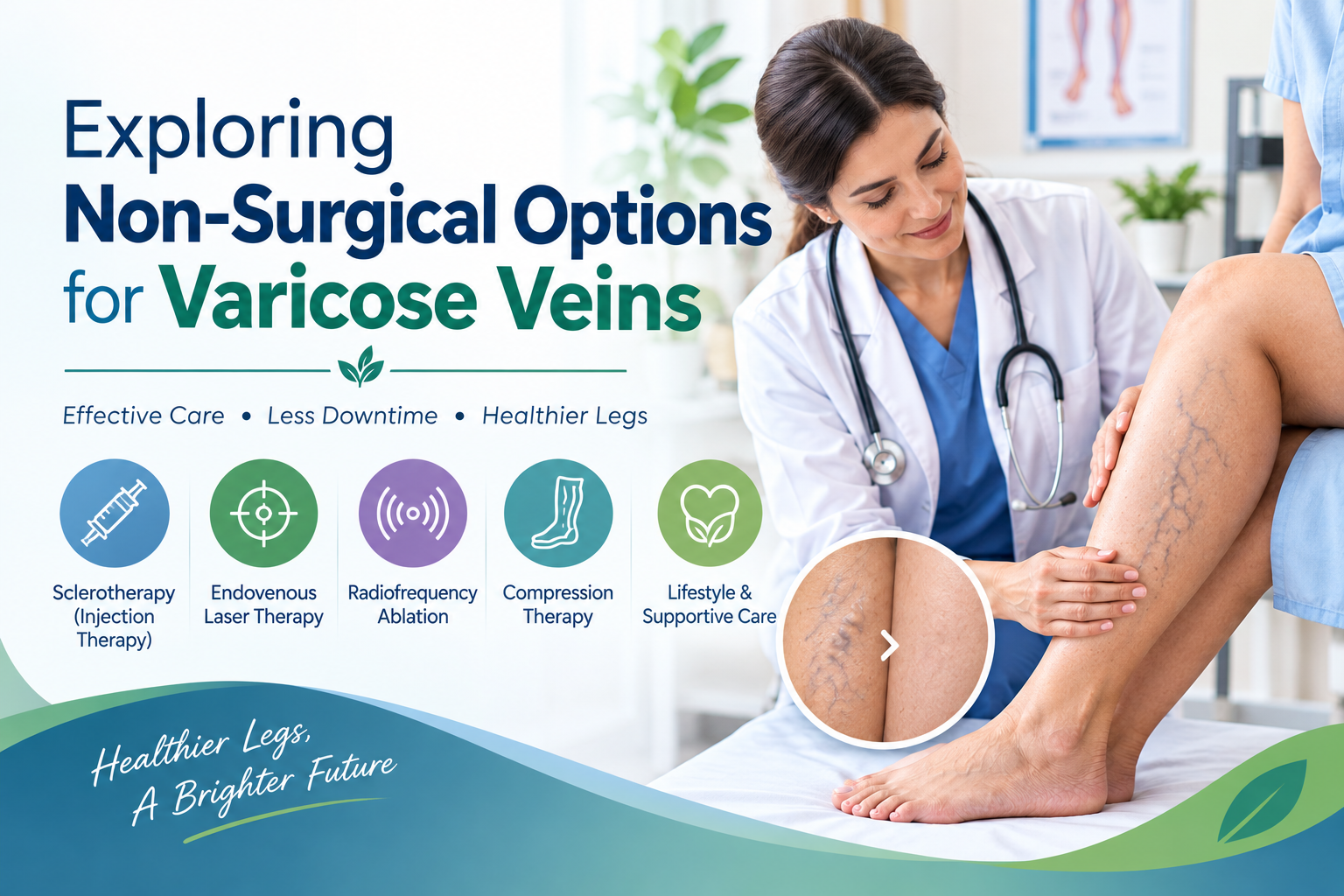
Exploring Non-Surgical Options for Varicose Veins
Varicose veins are large, swollen, twisting veins, most often found in the legs. They can cause aching, itching, and burning, and they sometimes lead to skin ulcers, bleeding, or blood clots. You have treatment options beyond surgery. When you know how each option works, you ask better questions, and your provider can plan your care. Sclerotherapy for Smaller Veins Sclerotherapy is a common treatment for smaller varicose veins and spider veins that works by sealing off the affected vein so your body can gradually absorb it. How It Works A provider injects a solution called a sclerosant directly into the

The Comprehensive Care Provided by an OBGYN
An OBGYN is a physician who trains in both obstetrics and gynecology, and their specialty covers pregnancy, childbirth, and the weeks after delivery. Gynecology focuses on the reproductive system, and it includes care from the teen years through menopause. Here are four main areas of OBGYN care and the steps to book a visit: Well-woman Exams A well-woman exam is a yearly preventive visit with your OBGYN. The visit covers your general health, and it also looks closely at your reproductive health. Your provider will ask about your periods, sexual activity, and family history because these details guide your screenings.

How Infertility Specialists Support Couples on Their Journey to Parenthood
An infertility specialist helps couples understand possible causes of fertility challenges and explore available options for building a family. They guide each couple through medical evaluations, diagnostic testing, and personalized treatment planning based on their needs and reproductive goals. Here is more information on how infertility specialists support couples on their journey to parenthood: Identifying Possible Causes of Infertility The first step involves recognizing factors that may affect fertility in one or both partners. An infertility specialist reviews medical history, menstrual patterns, past pregnancies, and lifestyle habits. After this review, the specialist orders tests, which typically include the following: Developing

Treatments for Skin Allergy Symptoms
Skin allergies may cause itching, redness, swelling, and inflammation following exposure to certain substances. Treatment options include moisturizers, antihistamines, and topical medications, while avoiding identified allergens forms another part of symptom management. Because persistent or severe reactions might require further evaluation, an allergy specialist can perform testing and discuss individualized treatment options. Here is more information about treatmetns for skin allergy symptoms: Identifying Skin Allergy Symptoms Skin allergies may produce itching, redness, swelling, or rashes, depending on the underlying trigger. Hives appear as raised, itchy welts, while contact dermatitis often develops where the skin encounters certain substances. Common triggers include

What To Expect During Your First Visit to an Infertility Specialist
An initial infertility consultation provides an opportunity to review reproductive health, medical history, and fertility concerns. Diagnostic testing may include bloodwork and ultrasound, while evaluation findings provide information for discussing possible treatment options. Because fertility needs vary between patients, the consultation also provides time to discuss testing, candidacy, and potential next steps. Here is more information about what to expect during your first visit to an infertility specialist: Scheduling Your Initial Consultation Scheduling an initial fertility consultation begins the evaluation process. Patients may provide information about medical history and previous fertility care, while available records offer additional context for the

The Advantages of Insemination Over Traditional Methods
Intrauterine insemination (IUI) is a fertility treatment that places prepared sperm directly into the uterus around ovulation. The IUI begins with monitoring a person’s menstrual cycle through blood tests and ultrasounds to help the care team identify when an egg is likely to be released. On the day of the procedure, a sperm sample is washed and concentrated in a laboratory, and a small flexible catheter places the sample into the uterus. After insemination, fertilization may occur inside the body without further intervention. Here’s more information on the advantages of insemination: Increasing Your Odds of Conception During natural conception, sperm